

As a supplier of PPR ball valves, I often encounter questions from customers about the suitability of our products for hot water applications. This blog post aims to provide a comprehensive answer to the question: Can a PPR ball valve be used for hot water?
Understanding PPR Ball Valves
PPR, or Polypropylene Random Copolymer, is a type of thermoplastic polymer known for its excellent chemical resistance, high strength, and long - term durability. PPR ball valves are made by combining PPR materials with a ball valve mechanism. The ball valve consists of a spherical disc with a hole in the middle. When the valve is open, the hole aligns with the pipe, allowing fluid to flow through. When the valve is closed, the ball rotates to block the flow.
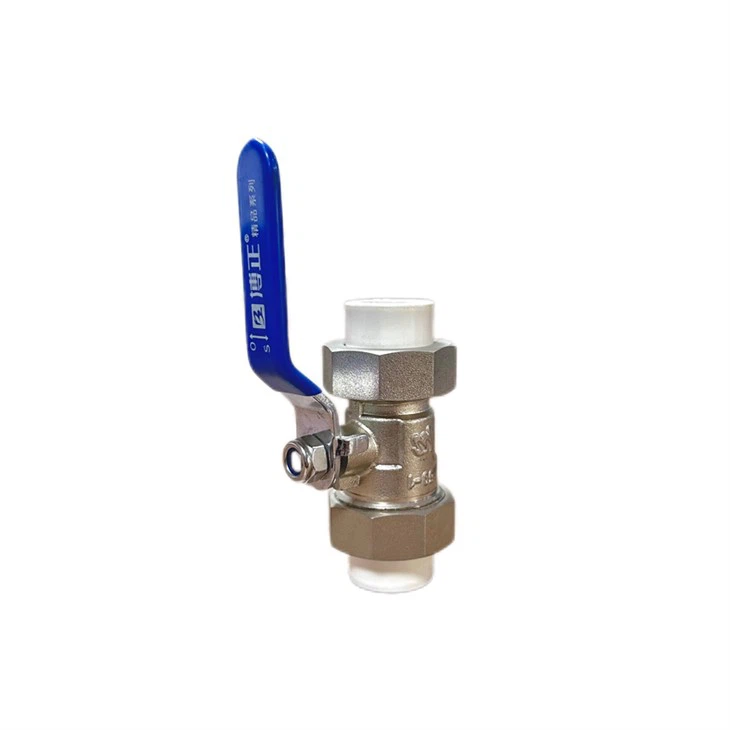
PPR ball valves come in various types and sizes, such as the PPR Ball Valve 1/2 and PPR Brass Ball Valve. These valves are widely used in plumbing systems for controlling the flow of water, both cold and hot.
Factors Affecting the Use of PPR Ball Valves in Hot Water
Temperature Resistance
One of the most critical factors is the temperature resistance of PPR materials. PPR has a certain temperature limit within which it can maintain its mechanical properties. Generally, high - quality PPR materials can withstand continuous hot water temperatures up to around 95°C (203°F). However, short - term exposure to slightly higher temperatures may also be tolerated.
When the temperature exceeds the recommended limit, the PPR material may start to soften, which can lead to deformation of the valve body. This deformation can cause leakage, reduced valve performance, and even failure of the valve over time.
Pressure Rating
In addition to temperature, pressure is another important factor. Hot water systems often operate under higher pressures compared to cold water systems. PPR ball valves have a specified pressure rating, which indicates the maximum pressure they can handle safely. When using a PPR ball valve in a hot water system, it is essential to ensure that the operating pressure of the system does not exceed the valve's pressure rating. Otherwise, there is a risk of the valve bursting or developing leaks.
Chemical Compatibility
The chemical composition of the hot water can also affect the performance of PPR ball valves. Some substances in the water, such as certain chemicals, minerals, or disinfectants, may react with the PPR material. Over time, these reactions can cause degradation of the material, reducing its strength and durability. Therefore, it is necessary to consider the chemical properties of the hot water when selecting a PPR ball valve.
Advantages of Using PPR Ball Valves for Hot Water
Corrosion Resistance
PPR is highly resistant to corrosion, which is a significant advantage in hot water systems. Unlike metal valves, PPR ball valves do not rust or corrode when exposed to hot water. This corrosion resistance ensures a longer service life and reduces the risk of contamination of the water supply.
Easy Installation
PPR ball valves are relatively easy to install. They can be connected to PPR pipes using heat - fusion welding, which creates a strong and leak - proof joint. This installation method is quick and requires less skill compared to traditional pipe - fitting methods, making it a popular choice for both professional plumbers and DIY enthusiasts.
Cost - Effective
PPR ball valves are generally more cost - effective than metal valves. They offer a good balance between performance and price, making them an economical choice for hot water systems in residential and commercial buildings.
Limitations and Precautions
Limited High - Temperature Performance
As mentioned earlier, PPR has a limited temperature resistance. In applications where the hot water temperature is consistently very high (above 95°C), PPR ball valves may not be the best choice. In such cases, other types of valves made from materials with higher temperature resistance, such as stainless steel or brass, may be more suitable.
Aging and Degradation
Over time, PPR materials can undergo aging and degradation, especially when exposed to high temperatures and UV light. To minimize this effect, it is recommended to install PPR ball valves in areas where they are not directly exposed to sunlight. Regular inspection and maintenance of the valves are also necessary to detect any signs of aging or degradation early.
Applications of PPR Ball Valves in Hot Water Systems
PPR ball valves are commonly used in various hot water systems, including:
Residential Hot Water Supply
In homes, PPR ball valves are used to control the flow of hot water in bathrooms, kitchens, and other areas. They are often installed at the entry points of hot water pipes to each fixture, allowing for easy shut - off in case of maintenance or repairs.
Commercial Buildings
In commercial buildings such as hotels, offices, and hospitals, PPR ball valves are used in large - scale hot water systems. They help to regulate the flow of hot water to different parts of the building, ensuring efficient use of the hot water supply.

Solar Hot Water Systems
PPR ball valves can also be used in solar hot water systems. They are used to control the flow of hot water between the solar collectors, storage tanks, and distribution pipes. The corrosion resistance and cost - effectiveness of PPR ball valves make them a suitable choice for these systems.
Conclusion
In conclusion, PPR ball valves can be used for hot water under certain conditions. They offer several advantages such as corrosion resistance, easy installation, and cost - effectiveness. However, it is crucial to consider factors such as temperature resistance, pressure rating, and chemical compatibility when using PPR ball valves in hot water systems. By following the recommended guidelines and taking appropriate precautions, PPR ball valves can provide reliable and long - lasting performance in hot water applications.
If you are considering using PPR ball valves for your hot water system or have any questions about our PPR Ball Valve 1/2, PPR Brass Ball Valve, or PPR Brass External Thread Joint, please feel free to contact us for more information and to discuss your specific requirements. We are here to provide you with the best solutions for your plumbing needs.
References
- "Handbook of Thermoplastics" by O. Olabisi
- "Plumbing Engineering Design and Practice" by M. S. Asif