

Hey there! As a supplier of brass exhaust valves, I often get asked a bunch of questions about these nifty little devices. One question that pops up quite a bit is, "Do brass exhaust valves have a self-cleaning function?" Well, let's dig into this topic and find out.
First off, let's understand what brass exhaust valves are and what they do. Brass exhaust valves are crucial components in various systems, like plumbing, heating, and industrial setups. They're designed to release air or other gases from a system, preventing air locks and ensuring smooth operation. You can check out more details about Brass Exhaust Valve on our website.
Now, the idea of a self-cleaning function in any device sounds pretty cool, right? It's like having a little helper that keeps things spick and span without you having to lift a finger. But when it comes to brass exhaust valves, the situation is a bit more complex.
Some people think that brass exhaust valves might have a self-cleaning mechanism because of how they work. When the valve opens to release air or gas, there's a flow of fluid through it. This flow, in theory, could potentially carry away some debris or dirt that might have accumulated inside the valve. And to some extent, this is true. The movement of fluid can dislodge and flush out small particles that are sitting in the valve passageways.
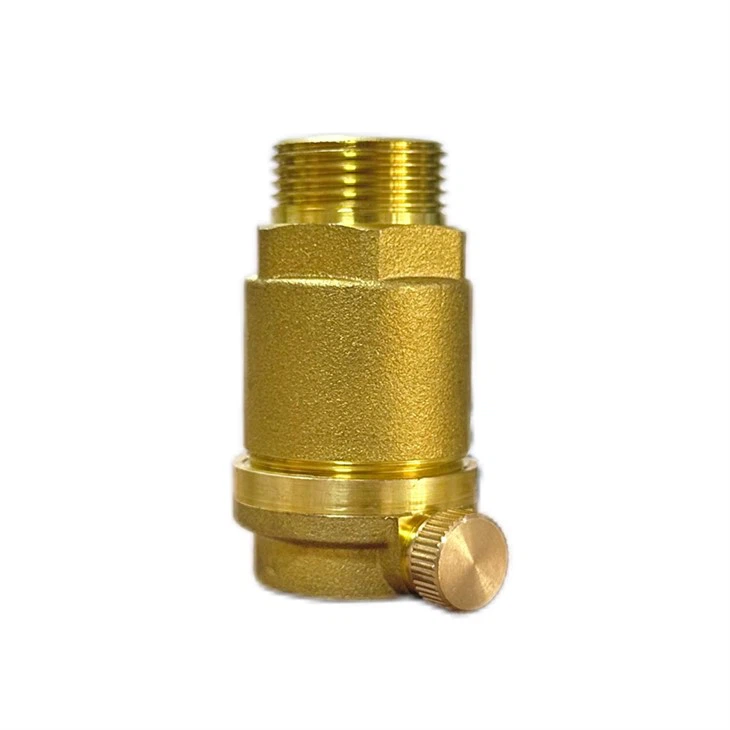

However, it's important to note that this "self-cleaning" effect is limited. The flow through the valve isn't always strong enough to remove all types of debris. For example, if there's a build-up of sticky substances, like grease or thick sediment, the normal flow of fluid might not be able to get rid of it. Also, if there are larger particles or chunks of debris, they might get stuck in the valve and not be easily washed away.
Another factor to consider is the design of the brass exhaust valve. Some valves are designed with features that can enhance the self-cleaning effect. For instance, valves with smooth internal surfaces and well-shaped passages are more likely to allow debris to be carried away by the fluid flow. On the other hand, valves with complex geometries or narrow passages might trap debris more easily and be less effective at self-cleaning.
In addition, the quality of the fluid flowing through the valve also plays a role. If the fluid is relatively clean and free of contaminants, there'll be less debris to worry about in the first place. But if the fluid is dirty or contains a lot of particles, the valve is more likely to get clogged, and the self-cleaning ability might not be sufficient to keep it clean.
Let's talk about the long-term performance of brass exhaust valves in terms of self-cleaning. Over time, even with the limited self-cleaning effect, there's bound to be some build-up inside the valve. This build-up can affect the valve's performance. It might cause the valve to open and close less smoothly, or it could even lead to a partial or complete blockage.
So, what can we do to ensure the proper functioning of brass exhaust valves? Regular maintenance is key. Even if there's a bit of self-cleaning going on, it's still a good idea to inspect and clean the valves periodically. This can involve disassembling the valve (if possible) and removing any debris manually. You can also use appropriate cleaning agents to get rid of stubborn build-up.
When it comes to choosing a brass exhaust valve, look for one that's well-designed and made from high-quality brass. A good valve will not only have better durability but might also have a more effective self-cleaning ability. You can also consult with experts or look at customer reviews to get an idea of which valves perform well in terms of self-cleaning.
Now, you might be wondering why all this matters. Well, a clean and properly functioning brass exhaust valve is essential for the overall efficiency and reliability of the system it's part of. If the valve gets clogged, it can cause all sorts of problems, like reduced flow rates, increased pressure, and even system failures. And that's definitely something you don't want to deal with.
As a supplier, we're always looking for ways to improve the performance of our brass exhaust valves. We're constantly researching and developing new designs and materials to enhance the self-cleaning ability and overall functionality of our products. We understand that our customers rely on these valves to keep their systems running smoothly, and we're committed to providing the best possible solutions.
If you're in the market for brass exhaust valves, whether it's for a small plumbing project or a large industrial application, we've got you covered. Our valves are made from high-quality brass and are designed to meet the highest standards. And if you have any questions about self-cleaning or any other aspect of our brass exhaust valves, our team of experts is here to help.
So, if you're interested in learning more about our Brass Exhaust Valve or want to discuss your specific needs, don't hesitate to get in touch. We're always happy to have a chat and help you find the right valve for your system. Whether you're a DIY enthusiast or a professional installer, we're here to support you every step of the way.
In conclusion, while brass exhaust valves do have a limited self-cleaning function due to the flow of fluid through them, it's not a foolproof solution for keeping the valve clean. Regular maintenance is still necessary to ensure optimal performance. But with the right valve and proper care, you can keep your system running smoothly for a long time.
If you're ready to take the next step and start using our high-quality brass exhaust valves, reach out to us. We're looking forward to working with you and helping you achieve the best results for your projects.
References
- "Valve Handbook" by Tom Irvine
- Industry reports on brass exhaust valve performance and maintenance