

As a control valve supplier, I understand the critical importance of selecting a control valve with proper certification. In the complex world of industrial operations, control valves play a pivotal role in regulating the flow, pressure, and temperature of various fluids and gases. The right certification not only ensures the valve's quality and performance but also guarantees compliance with industry standards and safety regulations. In this blog post, I will share some key considerations and guidelines on how to choose a control valve with proper certification.
Understanding the Importance of Certification
Certification serves as a testament to the quality, reliability, and safety of a control valve. It provides assurance that the valve has undergone rigorous testing and meets specific industry standards and requirements. Here are some reasons why certification is crucial:
- Quality Assurance: Certified control valves are manufactured using high - quality materials and advanced manufacturing processes. They are designed and tested to perform consistently under various operating conditions, reducing the risk of valve failure and downtime.
- Safety Compliance: Many industries, such as oil and gas, chemical, and power generation, have strict safety regulations. Certified control valves help ensure that your operations comply with these regulations, protecting your personnel, equipment, and the environment.
- Performance Guarantee: Certification indicates that the control valve has been tested for its flow characteristics, pressure ratings, and other performance parameters. This means you can rely on the valve to deliver the expected performance in your specific application.
Types of Certifications
There are several types of certifications that control valves can have, depending on the industry and application. Here are some of the most common ones:

- ISO Certifications: The International Organization for Standardization (ISO) develops and publishes international standards for various industries. ISO 9001 is a widely recognized certification for quality management systems, which indicates that the manufacturer has a well - defined quality control process in place. ISO 14001 is related to environmental management, and ISO 45001 focuses on occupational health and safety.
- API Certifications: The American Petroleum Institute (API) sets standards for the oil and gas industry. API 6D is a standard for pipeline valves, which covers design, manufacturing, testing, and inspection requirements for ball, gate, and check valves used in pipeline applications. API 607 is for fire - tested quarter - turn valves.
- ASME Certifications: The American Society of Mechanical Engineers (ASME) develops codes and standards for mechanical engineering. ASME B16.34 is a standard for valves, flanges, and fittings, which specifies the design, materials, and pressure - temperature ratings for valves.
- CE Marking: The CE marking is a mandatory conformity marking for products sold in the European Economic Area (EEA). It indicates that the product meets the essential health and safety requirements of relevant European Directives. For control valves, the CE marking may be related to pressure equipment, machinery, or other applicable directives.
Factors to Consider When Choosing a Certified Control Valve
Application Requirements
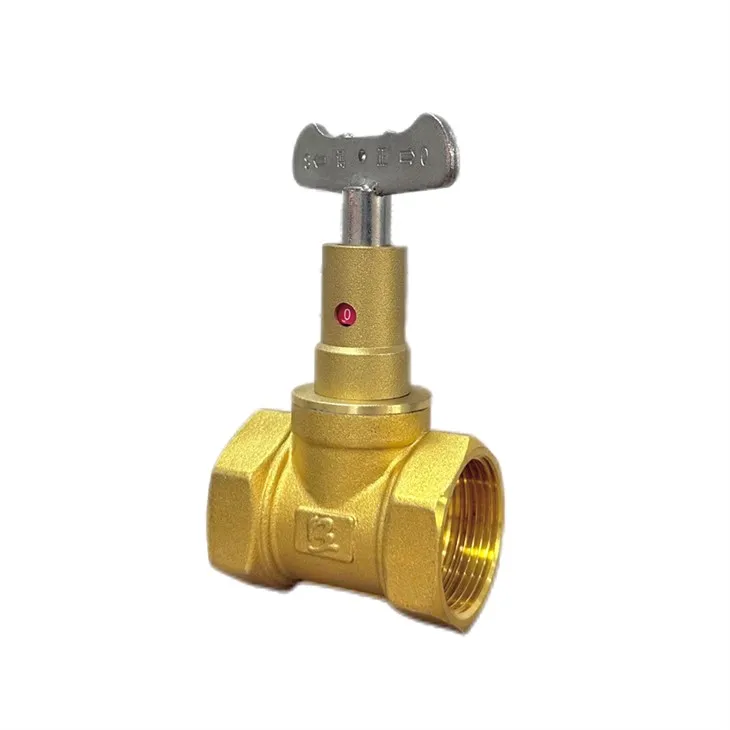
- Fluid Type: Different fluids have different properties, such as corrosiveness, viscosity, and temperature. For example, if you are dealing with a highly corrosive fluid, you need a control valve made of corrosion - resistant materials and with proper internal coatings. Our Brass Heating Manual Control Valve is suitable for heating systems where the fluid is typically water - based and at relatively moderate temperatures.
- Flow Rate and Pressure: Determine the required flow rate and pressure range of your application. The control valve should be sized appropriately to handle the expected flow and pressure without causing excessive pressure drops or flow restrictions.
- Temperature Range: Consider the operating temperature of the fluid. High - temperature applications may require valves made of heat - resistant materials and with special sealing arrangements.
Industry Standards
- Regulatory Requirements: Different industries have different regulatory requirements. For example, the pharmaceutical industry has strict requirements for valve cleanliness and sterility. Make sure the control valve you choose complies with all relevant industry regulations.
- Compatibility with Existing Systems: If you are replacing an existing control valve or integrating a new valve into an existing system, ensure that the new valve is compatible with the system's piping, fittings, and control systems.
Manufacturer's Reputation
- Certification History: Check the manufacturer's history of obtaining and maintaining certifications. A manufacturer with a long - standing record of compliance is more likely to produce high - quality, certified control valves.
- Customer Reviews and References: Look for customer reviews and references to gauge the manufacturer's reputation. Positive feedback from other customers can be a good indicator of the valve's performance and the manufacturer's reliability.
Cost - Benefit Analysis
- Initial Cost: Compare the prices of different certified control valves. However, do not make your decision based solely on the initial cost. A lower - cost valve may have a shorter lifespan or require more frequent maintenance, which can increase the overall cost of ownership.
- Long - Term Costs: Consider the long - term costs, including maintenance, repair, and replacement. A high - quality, certified control valve may have a higher initial cost but can save you money in the long run by reducing downtime and maintenance expenses.
Case Study: Choosing a Locking Control Valve
Let's take the example of choosing a Locking Control Valve. Suppose you are in charge of a water treatment plant, and you need a locking control valve to regulate the flow of chemicals into the treatment process.
- Application Requirements: The fluid is a chemical solution with a certain level of corrosiveness. The flow rate is relatively low, and the pressure is moderate. The operating temperature is around room temperature.
- Industry Standards: The water treatment industry has regulations regarding the accuracy of chemical dosing and the safety of handling chemicals. The valve should comply with relevant standards for chemical handling and flow control.
- Manufacturer's Reputation: You research different manufacturers and find one that has a good reputation for producing high - quality, certified locking control valves. They have a history of obtaining ISO 9001 and other relevant certifications.
- Cost - Benefit Analysis: After comparing different options, you choose a locking control valve that has a reasonable initial cost and is expected to have a long lifespan with low maintenance requirements.
Conclusion
Choosing a control valve with proper certification is a critical decision that can have a significant impact on the performance, safety, and efficiency of your operations. By understanding the importance of certification, considering the application requirements, industry standards, manufacturer's reputation, and conducting a cost - benefit analysis, you can make an informed choice.
If you are in the market for a control valve and need more information or assistance in selecting the right one, please feel free to contact us. We are a trusted control valve supplier with a wide range of certified control valves to meet your specific needs. Our team of experts can help you navigate the complex world of control valve certifications and choose the best valve for your application.
References
- International Organization for Standardization (ISO) standards
- American Petroleum Institute (API) standards
- American Society of Mechanical Engineers (ASME) standards
- European Union Directives related to CE marking