

Hey there! As an exhaust valve supplier, I've seen my fair share of issues with these crucial components. One of the most common problems that can really throw a wrench in the works is an exhaust valve leak. In this blog, I'm gonna walk you through how to detect an exhaust valve leak, so you can keep your systems running smoothly.
What Causes Exhaust Valve Leaks?
Before we dive into detection methods, it's important to understand what might cause an exhaust valve leak. There are a few main culprits. First off, wear and tear over time can take a toll on the valve. The constant opening and closing, high temperatures, and exposure to exhaust gases can cause the valve seat and face to erode. This erosion can create gaps where exhaust gases can escape.
Another cause can be improper installation. If the valve isn't installed correctly, it might not seal properly, leading to leaks. Also, overheating can warp the valve, preventing it from closing tightly. And let's not forget about carbon deposits. These can build up on the valve and valve seat, preventing a good seal.
Visual Inspection
The first step in detecting an exhaust valve leak is a visual inspection. It's a simple and often overlooked method, but it can give you some valuable clues. Start by looking at the exhaust valve itself. Check for any signs of damage, like cracks or warping. A cracked valve is a pretty clear indicator that there's a problem.
You should also look at the valve seat. If there are signs of excessive wear, like grooves or uneven surfaces, it could be a sign of a leak. Sometimes, you might even see carbon deposits around the valve or on the valve seat. These deposits can prevent the valve from closing properly, leading to leaks.
But be careful when doing a visual inspection. Exhaust systems can be hot, so make sure the engine is cool before you start poking around. And always wear safety glasses to protect your eyes from any debris.
Compression Test
A compression test is a more in - depth way to detect an exhaust valve leak. This test measures the pressure inside the engine cylinders. When you do a compression test, you're essentially checking how well the valves and pistons are sealing the combustion chamber.
To perform a compression test, you'll need a compression tester. First, remove all the spark plugs from the engine. Then, insert the compression tester into the spark plug hole of the first cylinder. Crank the engine a few times and record the compression reading. Repeat this process for all the cylinders.
If one or more cylinders have significantly lower compression than the others, it could be a sign of an exhaust valve leak. However, low compression can also be caused by other issues, like a worn piston ring or a leaking intake valve. So, a compression test is a good starting point, but it might not give you a definitive answer.
Leak - Down Test
A leak - down test is another great way to detect an exhaust valve leak. This test is more accurate than a compression test because it allows you to pinpoint where the leak is coming from.
To do a leak - down test, you'll need a leak - down tester. First, make sure the piston in the cylinder you're testing is at top dead center (TDC) on the compression stroke. Then, remove the spark plug and connect the leak - down tester to the spark plug hole.
The leak - down tester will introduce compressed air into the cylinder. You can then listen for air escaping from the exhaust pipe. If you hear air hissing from the exhaust, it's a clear sign of an exhaust valve leak. You can also listen for air escaping from the intake manifold or the radiator, which could indicate other valve or gasket problems.
Using a Stethoscope
A mechanic's stethoscope can be a handy tool for detecting an exhaust valve leak. With the engine running, place the stethoscope on the exhaust manifold near the exhaust valve. Listen carefully for any unusual sounds.
If there's a leak, you'll likely hear a hissing or whistling sound. This sound is caused by the high - pressure exhaust gases escaping through the leak. The stethoscope can help you pinpoint the location of the leak more accurately.
Just like with the visual inspection, make sure the engine is running at a safe speed when you use the stethoscope. And be careful not to let the stethoscope get caught in any moving parts.
Smoke Test
A smoke test is a more advanced method of detecting exhaust valve leaks. This test involves introducing a non - toxic smoke into the intake manifold. The smoke will then travel through the engine and out the exhaust.
If there's an exhaust valve leak, the smoke will escape through the leak and you'll be able to see it. This method is great because it can show you even small leaks that might be hard to detect with other methods.
However, a smoke test requires special equipment, so it's not something you can do at home easily. You might need to take your vehicle to a professional mechanic to have this test done.
Importance of Detecting Exhaust Valve Leaks Early
Detecting an exhaust valve leak early is crucial. If left untreated, an exhaust valve leak can cause a number of problems. It can reduce engine performance, leading to lower power and poor fuel efficiency. The leak can also cause the engine to run hotter than normal, which can lead to further damage to the engine components.
In addition, exhaust valve leaks can be a safety hazard. Exhaust gases contain carbon monoxide, which is a colorless and odorless gas that can be deadly if inhaled in large amounts. If there's a leak, these gases can seep into the passenger compartment of a vehicle or the surrounding area, putting people at risk.
Our Exhaust Valve Solutions
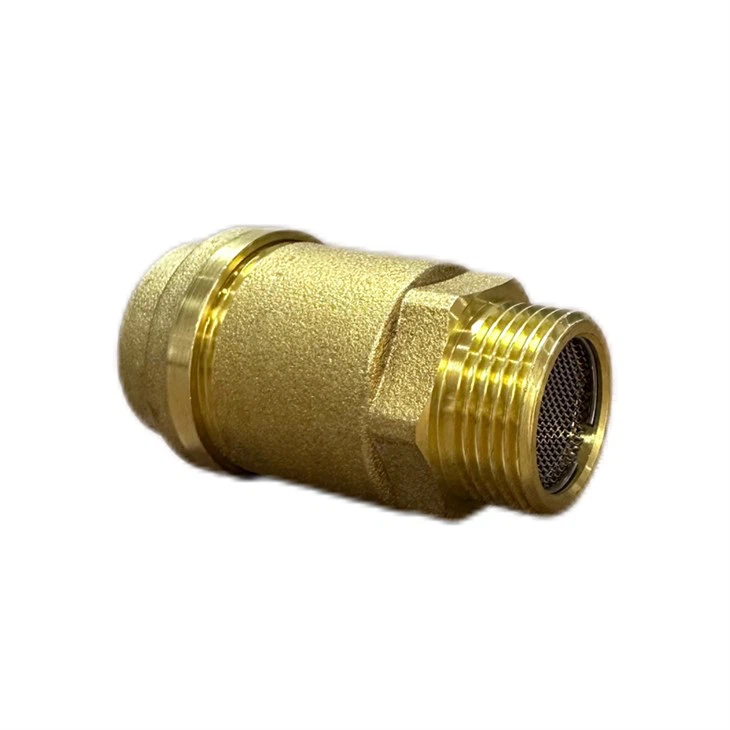
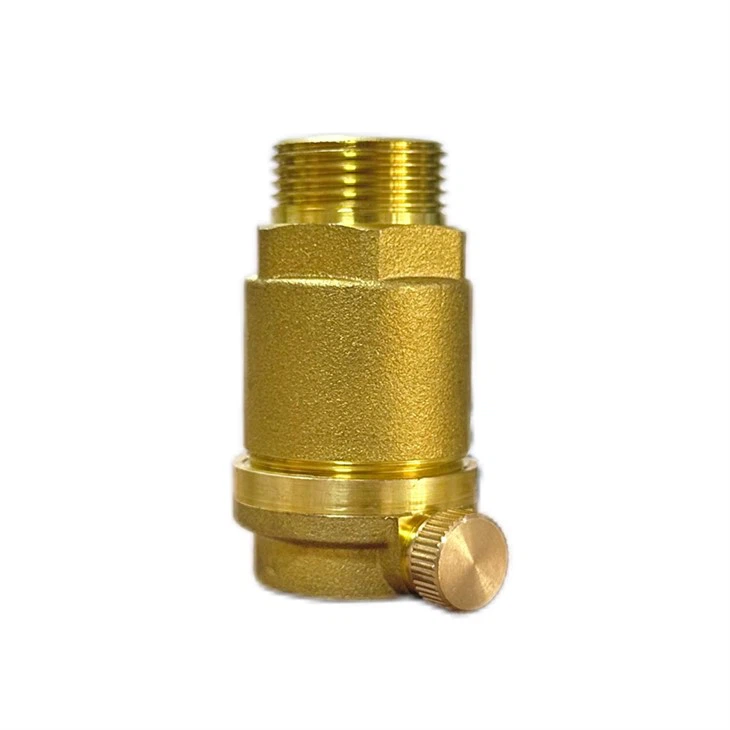
As an exhaust valve supplier, we offer a wide range of high - quality exhaust valves, including the Brass Exhaust Valve. Our valves are made from top - notch materials and are designed to withstand the rigors of high - temperature and high - pressure environments.
We understand how important it is to have reliable exhaust valves, and that's why we go the extra mile to ensure the quality of our products. Whether you're a mechanic looking for replacement valves or a manufacturer in need of bulk orders, we've got you covered.
Contact Us for Procurement
If you're in the market for exhaust valves or have any questions about detecting exhaust valve leaks, don't hesitate to reach out. We're here to help you find the right solutions for your needs. Our team of experts can provide you with detailed information and advice on our products.
Let's work together to keep your engines running smoothly and efficiently. Whether it's for a small repair job or a large - scale manufacturing project, we're ready to assist you.
References
- Automotive Repair Manuals
- Engine Component Engineering Textbooks
- Online Forums for Automotive Enthusiasts