

As a control valve supplier, I understand the critical role that response time plays in the performance of control valves. A fast response time ensures that the valve can quickly adjust to changes in process conditions, maintaining system stability and efficiency. In this blog post, I will share some effective strategies to improve the response time of a control valve.
Understanding the Basics of Control Valve Response Time
Before delving into the improvement strategies, it's essential to understand what control valve response time is. The response time of a control valve refers to the time it takes for the valve to move from one position to another in response to a control signal. It is influenced by several factors, including the valve design, actuator type, and the characteristics of the control system.
A slow response time can lead to several issues, such as poor process control, increased energy consumption, and even system failures. Therefore, optimizing the response time is crucial for the overall performance of the control system.
Selecting the Right Valve Design
The design of the control valve has a significant impact on its response time. Different valve types, such as globe valves, ball valves, and butterfly valves, have different flow characteristics and response times.
For applications where a fast response is required, ball valves and butterfly valves are often preferred. Ball valves have a quarter - turn operation, which allows them to open and close quickly. They are suitable for on - off applications and can provide a fast response time. Butterfly valves also offer a relatively fast response due to their simple and lightweight design. They can be actuated rapidly, making them ideal for applications where quick flow adjustments are needed.
On the other hand, globe valves, which have a more complex flow path, may have a slower response time. However, they offer better throttling capabilities and are often used in applications where precise flow control is required.
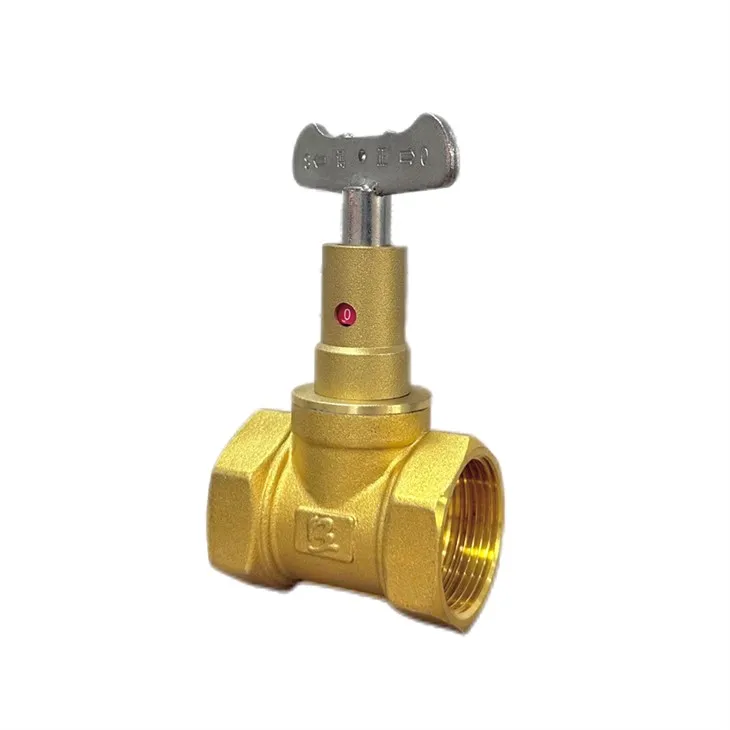
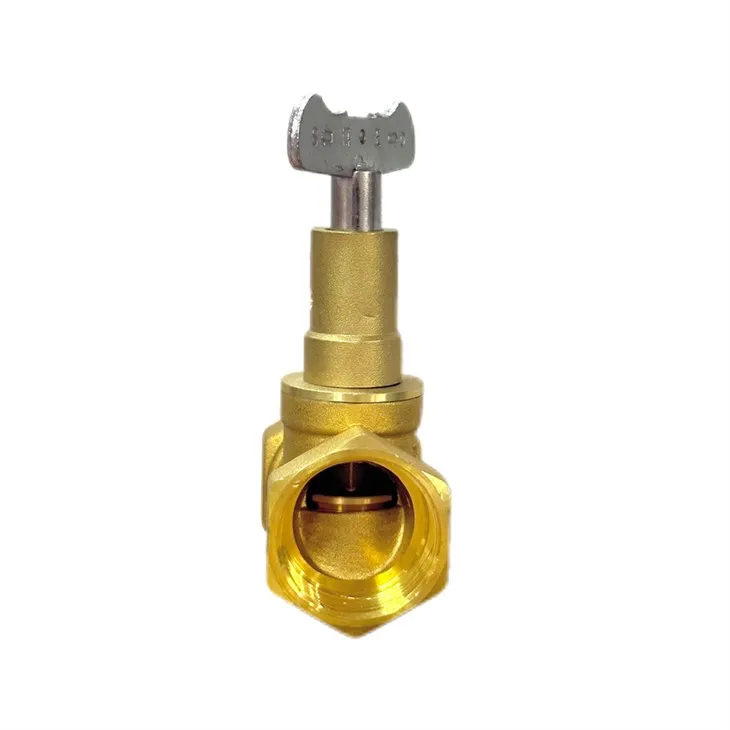
When selecting a valve, it's important to consider the specific requirements of your application, such as the flow rate, pressure, and temperature. You can explore our Locking Control Valve, which is designed to provide reliable and fast - acting control in various industrial applications.
Choosing an Appropriate Actuator
The actuator is responsible for moving the valve stem and changing the valve position in response to a control signal. The type of actuator you choose can significantly affect the response time of the control valve.
There are several types of actuators available, including pneumatic, electric, and hydraulic actuators.
- Pneumatic Actuators: These actuators use compressed air to generate a force to move the valve. They are known for their fast response times and high reliability. Pneumatic actuators can quickly react to changes in the control signal, making them suitable for applications where a rapid response is needed. They are also relatively simple in design and easy to maintain.
- Electric Actuators: Electric actuators use an electric motor to drive the valve stem. They offer precise control and can be programmed to provide a specific response profile. However, their response time may be slower compared to pneumatic actuators, especially in applications where high - speed operation is required.
- Hydraulic Actuators: Hydraulic actuators use hydraulic fluid to generate a force. They are capable of providing high - force output and are often used in applications where large valves need to be actuated. Hydraulic actuators can also offer a fast response time, but they require a more complex hydraulic system.
When choosing an actuator, consider factors such as the required force, speed of operation, and the control system compatibility.
Optimizing the Control System
The control system that sends signals to the control valve and actuator also plays a crucial role in determining the response time. Here are some ways to optimize the control system:
- Proper Tuning of Controllers: The controllers in the control system, such as PID (Proportional - Integral - Derivative) controllers, need to be properly tuned. A well - tuned controller can provide the appropriate control signal to the actuator, ensuring a fast and accurate response of the control valve. Incorrect tuning can lead to overshooting, undershooting, or slow response of the valve.
- Reducing Signal Delays: Minimize the signal delays in the control system. Signal delays can occur due to factors such as long cable lengths, poor communication protocols, or excessive filtering. Using high - quality cables, efficient communication protocols, and appropriate signal conditioning can help reduce these delays.
- Upgrading the Control System: If the existing control system is outdated, consider upgrading it to a more advanced system. Newer control systems often offer faster processing speeds, better communication capabilities, and more advanced control algorithms, which can improve the overall response time of the control valve.
Maintenance and Regular Inspections
Regular maintenance and inspections are essential to ensure the optimal performance and fast response time of the control valve.
- Lubrication: Proper lubrication of the valve stem, packing, and actuator components is crucial. Lubrication reduces friction, which can slow down the movement of the valve. Use the recommended lubricants and follow the manufacturer's guidelines for lubrication intervals.
- Inspection of Seals and Gaskets: Check the seals and gaskets regularly for wear and tear. Damaged seals can cause leaks, which can affect the performance of the valve and reduce its response time. Replace any worn - out seals or gaskets promptly.
- Calibration: Regularly calibrate the control valve and actuator to ensure accurate positioning. Calibration helps to maintain the proper relationship between the control signal and the valve position, which is essential for a fast and accurate response.
Minimizing Fluid Resistance
The fluid flowing through the control valve can also affect its response time. High fluid resistance can make it more difficult for the valve to move, resulting in a slower response.
- Optimal Sizing of the Valve: Ensure that the control valve is properly sized for the application. An undersized valve may experience high pressure drops, while an oversized valve may not provide accurate flow control. By selecting the right valve size, you can minimize fluid resistance and improve the response time.
- Reducing Pipe Friction: Minimize the friction in the pipes connected to the control valve. This can be achieved by using smooth - walled pipes, reducing the number of bends and fittings, and maintaining proper pipe diameters.
We also offer the Brass Heating Manual Control Valve, which is designed to provide efficient control in heating systems. Its design helps to minimize fluid resistance and ensure a fast response.
Conclusion
Improving the response time of a control valve is a multi - faceted task that involves selecting the right valve design, actuator, and control system, as well as performing regular maintenance and minimizing fluid resistance. By implementing these strategies, you can enhance the performance of your control system, improve process efficiency, and reduce energy consumption.
If you are looking for high - quality control valves that offer fast response times and reliable performance, we are here to help. Our team of experts can assist you in selecting the right valves and actuators for your specific application. Contact us today to start a discussion and explore how we can meet your control valve needs.
References
- Smith, J. (2018). Handbook of Control Valve Technology. Wiley.
- Brown, A. (2020). Principles of Actuator Design and Application. Elsevier.
- Johnson, R. (2019). Optimization of Control Systems for Industrial Processes. CRC Press.