

Selecting the right brass exhaust valve based on the pipe diameter is a crucial step in ensuring the efficient and safe operation of a fluid system. As a trusted brass exhaust valve supplier, I understand the importance of this decision and am here to guide you through the process.
Understanding the Basics of Pipe Diameter and Exhaust Valves
Before delving into the selection process, it's essential to have a clear understanding of pipe diameter and its significance in relation to brass exhaust valves. Pipe diameter refers to the internal diameter of the pipe through which fluids flow. It is typically measured in inches or millimeters and plays a vital role in determining the flow rate and pressure within the system.
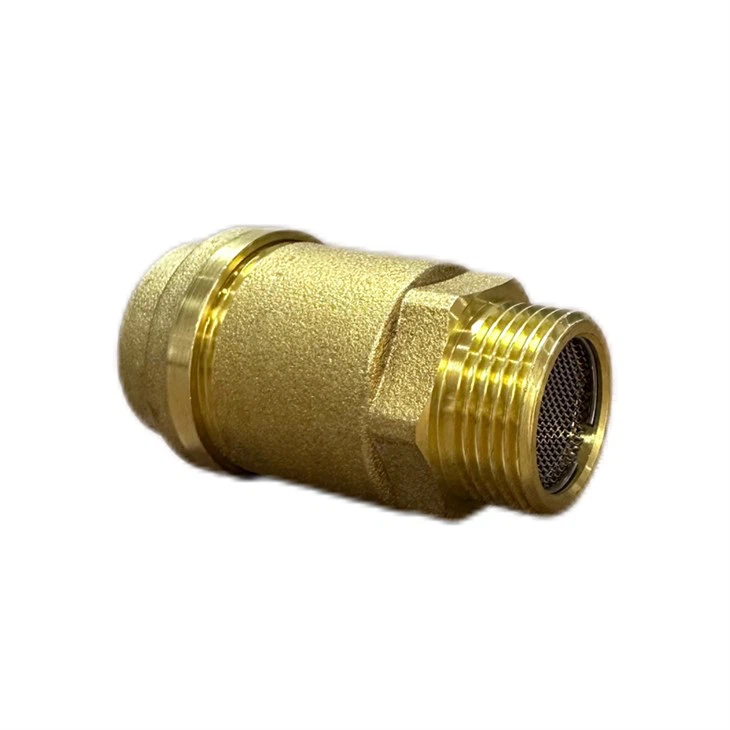
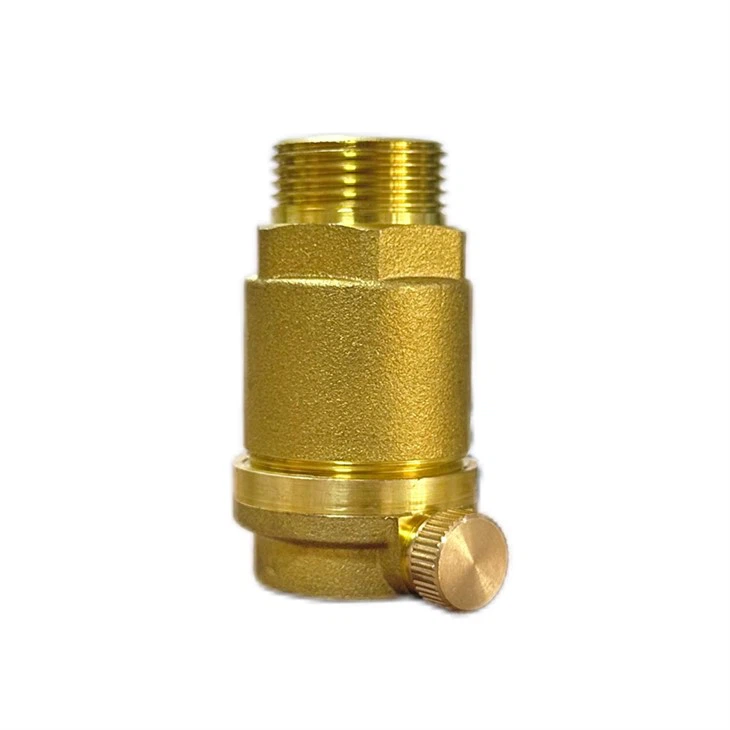
Brass exhaust valves, on the other hand, are designed to release air or gas from a fluid system. They are commonly used in plumbing, heating, and industrial applications to prevent air pockets from forming, which can cause reduced efficiency, noise, and damage to the system.
Why Pipe Diameter Matters in Valve Selection
The pipe diameter directly affects the performance of the brass exhaust valve. A valve that is too small for the pipe diameter may not be able to release air or gas efficiently, leading to air pockets and reduced system performance. Conversely, a valve that is too large for the pipe diameter may cause excessive pressure drops and increased energy consumption.
Therefore, selecting the right size of brass exhaust valve based on the pipe diameter is crucial to ensure optimal system performance and longevity.

Factors to Consider When Selecting a Brass Exhaust Valve Based on Pipe Diameter
When selecting a brass exhaust valve based on the pipe diameter, several factors need to be taken into consideration:
1. Flow Rate
The flow rate of the fluid in the system is one of the most important factors to consider when selecting a brass exhaust valve. The valve should be able to handle the maximum flow rate of the system without causing excessive pressure drops. To determine the appropriate valve size, you need to know the flow rate of the fluid in the pipe, which can be calculated using the pipe diameter, fluid velocity, and other factors.
2. Pressure Rating
The pressure rating of the brass exhaust valve is another critical factor to consider. The valve should be able to withstand the maximum pressure in the system without leaking or failing. The pressure rating of the valve is typically specified by the manufacturer and should be chosen based on the maximum operating pressure of the system.
3. Type of Fluid
The type of fluid flowing through the system also affects the selection of the brass exhaust valve. Different fluids have different properties, such as viscosity, temperature, and corrosiveness, which can impact the performance and durability of the valve. For example, if the fluid is corrosive, a valve made of a corrosion-resistant material, such as brass or stainless steel, should be selected.
4. Installation Location
The installation location of the brass exhaust valve is also an important consideration. The valve should be installed in a location where it can easily release air or gas from the system. It should also be accessible for maintenance and inspection.
Step-by-Step Guide to Selecting a Brass Exhaust Valve Based on Pipe Diameter
Now that you understand the importance of pipe diameter and the factors to consider when selecting a brass exhaust valve, here is a step-by-step guide to help you make the right choice:
Step 1: Determine the Pipe Diameter
The first step is to determine the internal diameter of the pipe through which the fluid flows. This can be done using a measuring tape or a caliper. Make sure to measure the inside diameter of the pipe accurately, as this will directly affect the selection of the valve.
Step 2: Calculate the Flow Rate
Once you have determined the pipe diameter, you need to calculate the flow rate of the fluid in the pipe. This can be done using the following formula:
Flow Rate (Q) = Area (A) x Velocity (V)
Where: - Area (A) = π x (D/2)^2 (D is the pipe diameter) - Velocity (V) is the speed of the fluid in the pipe
The flow rate is typically measured in gallons per minute (GPM) or cubic meters per hour (m³/h).
Step 3: Determine the Pressure Rating
Next, you need to determine the maximum operating pressure of the system. This can be done by referring to the system specifications or consulting with a professional engineer. Once you know the maximum operating pressure, you can select a brass exhaust valve with a pressure rating that is equal to or greater than the maximum operating pressure of the system.
Step 4: Consider the Type of Fluid
As mentioned earlier, the type of fluid flowing through the system affects the selection of the brass exhaust valve. Make sure to choose a valve that is compatible with the type of fluid in the system. For example, if the fluid is corrosive, a valve made of a corrosion-resistant material, such as brass or stainless steel, should be selected.
Step 5: Choose the Right Valve Size
Based on the pipe diameter, flow rate, pressure rating, and type of fluid, you can now choose the right size of brass exhaust valve. The valve size is typically specified by the valve's nominal diameter, which is the approximate inside diameter of the valve. Make sure to choose a valve with a nominal diameter that is equal to or slightly larger than the pipe diameter.
Our Range of Brass Exhaust Valves
As a leading Brass Exhaust Valve supplier, we offer a wide range of high-quality brass exhaust valves to meet the needs of various applications. Our valves are designed and manufactured to the highest standards, ensuring reliable performance and long service life.
We have exhaust valves available in different sizes and pressure ratings to accommodate pipes of various diameters. Whether you need a small valve for a residential plumbing system or a large valve for an industrial application, we have the right solution for you.
Conclusion
Selecting the right brass exhaust valve based on the pipe diameter is essential for the efficient and safe operation of a fluid system. By considering factors such as flow rate, pressure rating, type of fluid, and installation location, you can make an informed decision and choose a valve that meets your specific requirements.
If you have any questions or need assistance in selecting the right brass exhaust valve for your application, please feel free to contact us. Our team of experts is always ready to help you find the best solution for your needs. We look forward to discussing your procurement requirements and working together to ensure the success of your projects.

References
- ASME B16.34 - Valves - Flanged, Threaded, and Welding End.
- ASTM B584 - Standard Specification for Copper Alloy Sand Castings for General Applications.
- Manufacturer's Catalogs and Technical Documents.