

Hey there! As a supplier of exhaust valves, I've seen firsthand the unique challenges that come with designing these crucial components for multi - cylinder engines. In this blog, I'm gonna break down some of the major hurdles we face in this process.
1. Balancing Flow and Pressure
One of the biggest challenges in designing exhaust valves for multi - cylinder engines is achieving the right balance between exhaust flow and pressure. Each cylinder in a multi - cylinder engine fires at a different time, and the exhaust gases need to be efficiently removed from the combustion chamber. If the exhaust flow is too restricted, it can lead to backpressure. Backpressure is like a traffic jam in your engine's exhaust system. It makes it harder for the engine to push out the exhaust gases, which in turn reduces engine power and efficiency.
On the other hand, if we make the exhaust valve too large to increase flow, we might end up with a situation where the pressure in the exhaust system drops too much. This can disrupt the scavenging process, where fresh air - fuel mixture is drawn into the cylinder while the exhaust gases are being expelled. A proper balance is essential, and it requires careful calculation and testing. We use advanced computational fluid dynamics (CFD) software to simulate the flow of exhaust gases through the valve and optimize its design. But even with these tools, it's still a tricky balancing act.
2. Heat Resistance
Exhaust valves in multi - cylinder engines are exposed to extremely high temperatures. The combustion process in the engine cylinders generates a lot of heat, and the exhaust gases can reach temperatures of up to 1000°C or more. This intense heat can cause the exhaust valve to expand, warp, or even crack over time.
To combat this, we need to use materials that can withstand these high temperatures. For example, we often use heat - resistant alloys like Inconel. These alloys have excellent high - temperature strength and oxidation resistance. However, these materials can be expensive, and machining them can be a challenge. We also need to design the valve in a way that helps dissipate heat more effectively. This might involve adding fins or other heat - dissipating features to the valve body. But again, these design changes need to be carefully considered so as not to interfere with the valve's flow characteristics.
3. Durability and Wear Resistance
Multi - cylinder engines operate under high - stress conditions, and the exhaust valves are subject to a lot of mechanical wear. Every time the valve opens and closes, it experiences impact forces, and the constant rubbing against the valve seat can cause wear. Additionally, the corrosive nature of exhaust gases can also damage the valve surface over time.
We need to design the exhaust valves to be as durable as possible. This includes choosing the right materials and surface treatments. For instance, we might use hard - facing materials on the valve seat area to reduce wear. We also conduct extensive durability testing in our labs. We simulate the real - world operating conditions of the engine and run the valves through thousands of cycles to ensure they can withstand the rigors of long - term use. But even with these measures, it's still a challenge to guarantee a long service life for the exhaust valves, especially in high - performance multi - cylinder engines.
4. Compatibility with Engine Design
Multi - cylinder engines come in a variety of designs, including different cylinder arrangements (such as inline, V - type, and flat engines) and firing orders. The exhaust valve design needs to be compatible with the specific engine design.
For example, in a V - type engine, the exhaust ports from the two banks of cylinders need to be carefully integrated into the exhaust system. The valve design needs to ensure that the exhaust gases from each cylinder are properly directed and that there are no interference issues. Different firing orders also affect the timing and flow of exhaust gases, and the valve design needs to accommodate these differences. This requires close collaboration with engine manufacturers to understand their specific requirements and design the exhaust valves accordingly.
5. Noise and Vibration Reduction
The exhaust process in multi - cylinder engines can generate a lot of noise and vibration. The sudden release of high - pressure exhaust gases can create a loud noise, and the pulsating nature of the exhaust flow can cause vibrations in the exhaust system.
We need to design the exhaust valves in a way that helps reduce noise and vibration. This can involve using special valve shapes or adding damping features. For example, some valve designs incorporate a shape that helps to smooth out the flow of exhaust gases, reducing the noise generated. However, these noise - and vibration - reducing features need to be carefully balanced with the other design requirements, such as flow and pressure optimization.
6. Meeting Emission Standards
In today's world, emission standards are becoming increasingly strict. Multi - cylinder engines need to meet these standards, and the exhaust valve plays an important role in this. The valve design can affect the efficiency of the exhaust after - treatment systems, such as catalytic converters.
If the exhaust valve doesn't allow for proper mixing of the exhaust gases or if it restricts the flow to the after - treatment system, it can reduce the effectiveness of these systems. We need to design the valves in a way that promotes good exhaust gas flow and mixing, while also ensuring that the backpressure is within the acceptable range for the after - treatment systems to work properly. This requires a deep understanding of the emission control requirements and how the exhaust valve interacts with the rest of the exhaust system.
The Role of Innovation
Despite these challenges, we're constantly looking for ways to improve our exhaust valve designs. We invest in research and development to come up with new materials, manufacturing processes, and design concepts. For example, we're exploring the use of 3D printing technology to create more complex and optimized valve shapes. This technology allows us to produce valves with internal structures that are difficult or impossible to achieve with traditional manufacturing methods.
Conclusion
Designing exhaust valves for multi - cylinder engines is no easy feat. It involves dealing with a wide range of challenges, from balancing flow and pressure to meeting strict emission standards. But as a supplier, we're committed to overcoming these challenges and providing high - quality exhaust valves to our customers.
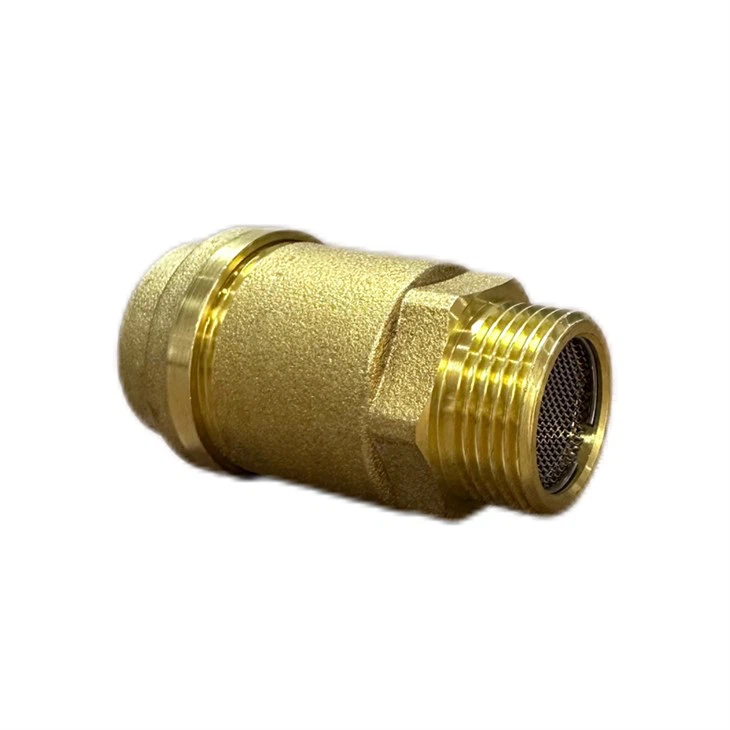
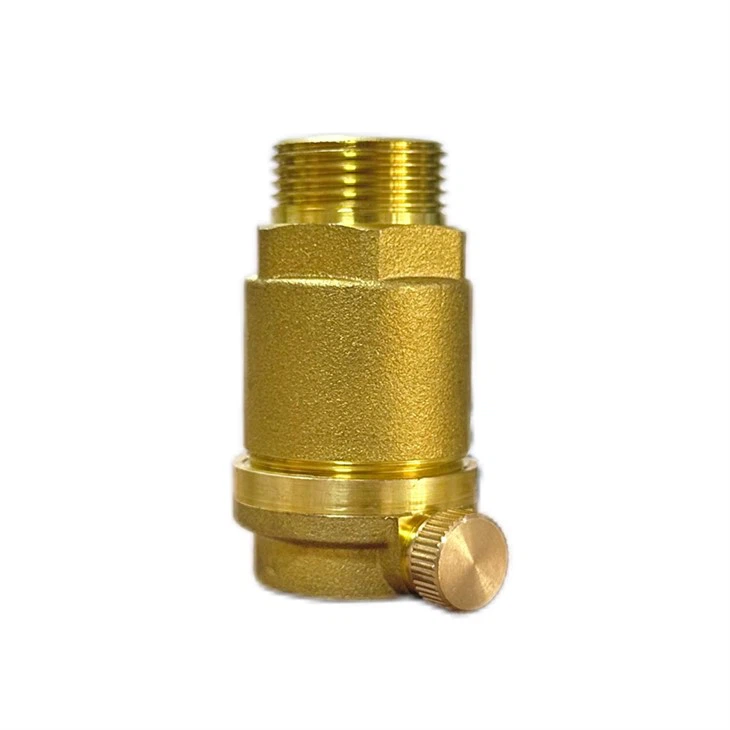
If you're in the market for exhaust valves, including Brass Exhaust Valve, we'd love to have a chat with you. Whether you're an engine manufacturer or a distributor, we can work together to find the best exhaust valve solutions for your specific needs. Just reach out to us, and let's start the conversation about how we can improve your engine's performance and efficiency.
References
- Heywood, J. B. (1988). Internal Combustion Engine Fundamentals. McGraw - Hill.
- Taylor, C. F. (1966). The Internal Combustion Engine in Theory and Practice. MIT Press.