

Hey there! As a supplier of brass bottom valves, I'm super stoked to break down the components of these nifty little devices. Brass bottom valves are essential in a whole bunch of industries, from plumbing to manufacturing. They play a crucial role in controlling the flow of liquids and gases, so understanding their components is key to making the right choice for your needs.
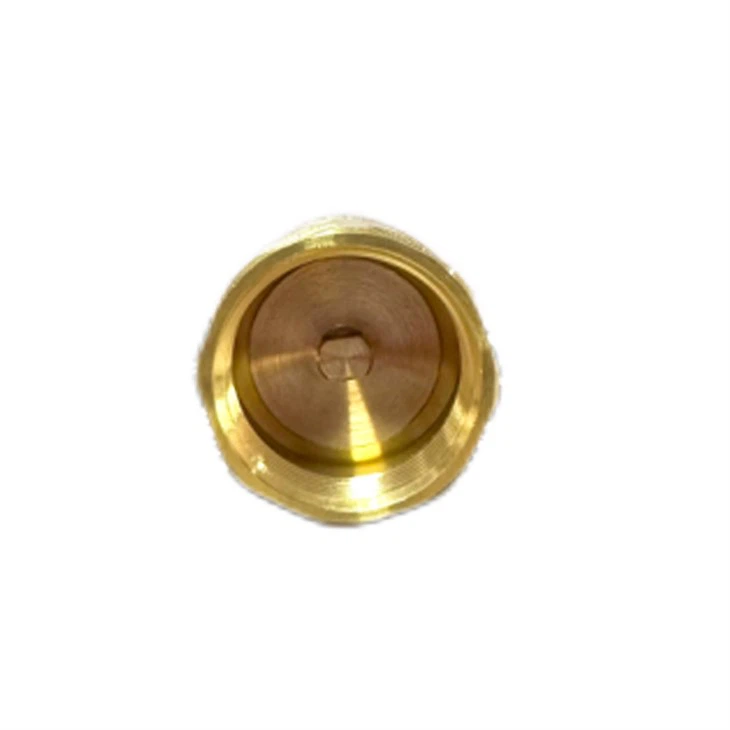
Let's start with the body of the brass bottom valve. This is the main part that holds everything together. It's usually made of high - quality brass, which is known for its durability, corrosion resistance, and excellent machinability. Brass is an alloy of copper and zinc, and the specific composition can vary depending on the desired properties. The body provides the structure and housing for all the other components. It has ports or openings where the fluid or gas enters and exits the valve. You can check out more about Brass Bottom Valve on our website.
Next up is the bonnet. The bonnet is like a lid for the valve body. It's attached to the body and helps to enclose the internal components. It also provides a way to access the valve's interior for maintenance and repairs. The bonnet is typically secured to the body using bolts or screws. Some bonnets are designed to be easily removable, which is really handy when you need to clean or replace parts inside the valve.
Now, let's talk about the stem. The stem is a rod - like component that connects the handwheel or actuator to the disc. When you turn the handwheel or activate the actuator, the stem moves up or down, which in turn controls the position of the disc. The stem needs to be strong and straight to ensure smooth operation. It's usually made of a material that can withstand the forces applied during operation, such as stainless steel or a high - strength brass alloy.
The disc is one of the most important components of the brass bottom valve. It's the part that actually controls the flow of fluid or gas through the valve. When the valve is open, the disc is lifted out of the way, allowing the fluid or gas to pass through. When the valve is closed, the disc seals against the seat, preventing the flow. The disc can have different shapes and designs, depending on the type of valve. For example, in a globe valve, the disc is usually spherical, while in a gate valve, it's a flat plate.
The seat is another critical component. It's the surface against which the disc seals when the valve is closed. A good seat design is essential for achieving a tight seal and preventing leaks. The seat is often made of a hard, wear - resistant material, such as brass or a special alloy. The quality of the seat - disc interface is crucial for the overall performance of the valve. If the seat is damaged or worn, it can lead to leakage and reduced efficiency.

Packing is also an important part of the brass bottom valve. It's used to prevent the fluid or gas from leaking out around the stem. The packing is usually made of a soft, flexible material, such as graphite or PTFE (polytetrafluoroethylene). It's placed in a packing gland, which is located around the stem. The packing gland can be tightened to compress the packing and create a better seal. However, if it's tightened too much, it can cause excessive friction on the stem, making the valve difficult to operate.
Some brass bottom valves also have an actuator. An actuator is a device that automatically opens and closes the valve. It can be powered by electricity, air, or hydraulic pressure. Actuators are often used in applications where remote control or automated operation is required. For example, in a large industrial process, actuators can be used to control the flow of fluids based on certain conditions, such as temperature or pressure.
In addition to these main components, there are also some smaller parts that contribute to the proper functioning of the brass bottom valve. For example, there are gaskets, which are used to create a seal between different parts of the valve, such as the body and the bonnet. There are also washers and nuts, which are used to secure the various components together.
When choosing a brass bottom valve, it's important to consider the quality of each component. A valve with high - quality components will be more reliable, durable, and efficient. At our company, we take pride in supplying brass bottom valves that are made with the best materials and the latest manufacturing techniques. We source our brass from trusted suppliers and use advanced machining processes to ensure precise dimensions and a perfect fit for all the components.
If you're in the market for a brass bottom valve, whether it's for a small plumbing project or a large industrial application, we'd love to help. Our team of experts can assist you in choosing the right valve based on your specific requirements. We offer a wide range of brass bottom valves in different sizes, designs, and pressure ratings. So, don't hesitate to reach out to us for more information or to start a procurement discussion.
We understand that every customer has unique needs, and we're committed to providing the best solutions. Whether you need a standard valve or a custom - designed one, we have the capabilities to meet your demands. Our brass bottom valves are designed to perform in a variety of environments, from clean water systems to harsh chemical processing plants.
So, if you're looking for a reliable and high - quality brass bottom valve, give us a shout. We're here to make your procurement process as smooth and hassle - free as possible. Let's work together to find the perfect valve for your project.
References
- Valve Handbook, various industry experts
- Brass Alloys and Their Applications, metallurgy publications