

As a seasoned supplier of exhaust valves, I've witnessed firsthand the critical role these components play in various systems. An exhaust valve leak can lead to a cascade of problems, from reduced efficiency to potential system failures. In this blog, I'll share the signs that indicate an exhaust valve leak, drawing on my years of experience in the industry.
Unusual Engine Noises
One of the most telltale signs of an exhaust valve leak is unusual engine noises. When an exhaust valve leaks, it can cause a hissing or whistling sound. This noise is often more pronounced during acceleration or when the engine is under load. The reason behind this is that the leaking exhaust gas escapes through the valve, creating a high - pressure jet that produces the distinct sound.
For example, in a combustion engine, the exhaust valve is supposed to open at the right time to release the burned gases. If there's a leak, some of the gas escapes prematurely, and the escaping gas rubs against the valve and surrounding components, generating the hissing noise. This noise can be a clear indication that the exhaust valve is not functioning properly and needs to be inspected.
Decreased Engine Performance
Another significant sign of an exhaust valve leak is a decrease in engine performance. An exhaust valve leak can disrupt the normal combustion process in an engine. When the valve leaks, some of the compressed air - fuel mixture can escape before it can be fully burned. This leads to a loss of power and efficiency.
You may notice that your vehicle or equipment takes longer to accelerate, or it struggles to reach its normal top speed. The engine may also feel less responsive when you press the accelerator. In industrial engines, a decrease in performance can translate into lower productivity and increased operating costs. For instance, in a power - generating engine, a leaky exhaust valve can result in reduced electricity output, which is a major concern for power plants.
Poor Fuel Economy
A leaky exhaust valve can also have a direct impact on fuel economy. As mentioned earlier, when the exhaust valve leaks, the combustion process is not as efficient. The engine has to work harder to compensate for the loss of power, which means it burns more fuel.

If you've noticed a sudden increase in your fuel consumption without any other obvious reasons, such as changes in driving habits or road conditions, an exhaust valve leak could be the culprit. For example, in a fleet of delivery trucks, a single truck with a leaky exhaust valve can consume significantly more fuel than the others, increasing the overall operating costs for the company.
Excessive Exhaust Emissions
Exhaust valve leaks can cause an increase in exhaust emissions. When the combustion process is disrupted due to a leak, unburned fuel and other pollutants are more likely to be released into the exhaust system. This can lead to higher levels of carbon monoxide, hydrocarbons, and nitrogen oxides in the exhaust.
In areas with strict emission regulations, excessive exhaust emissions can result in failed emissions tests for vehicles. In industrial settings, high - emission levels can lead to environmental violations and fines. For example, in a manufacturing plant, if the exhaust from its engines contains high levels of pollutants due to leaky exhaust valves, it can face legal consequences and damage to its reputation.
Overheating
Overheating is another sign that could indicate an exhaust valve leak. When the exhaust valve leaks, the normal flow of exhaust gases is disrupted. This can cause the exhaust gases to back up in the engine, leading to increased temperatures in the combustion chamber and other engine components.
The overheating can cause damage to other parts of the engine, such as the cylinder head and pistons. In severe cases, it can even lead to engine failure. For example, in a high - performance racing engine, overheating due to an exhaust valve leak can quickly lead to a blown engine, ending the race for the team.
Valve Seating Issues
Valve seating issues are often associated with exhaust valve leaks. Over time, the exhaust valve can become worn or damaged, causing it not to seat properly in the valve seat. This can be due to factors such as high - temperature operation, corrosion, or improper installation.
If you notice signs of valve seating problems, such as uneven wear on the valve or valve seat, or if the valve is not closing tightly, it's likely that there is a leak. In some cases, you may be able to detect valve seating issues during a visual inspection of the engine. However, in more complex engines, specialized diagnostic tools may be required.
Brass Exhaust Valve
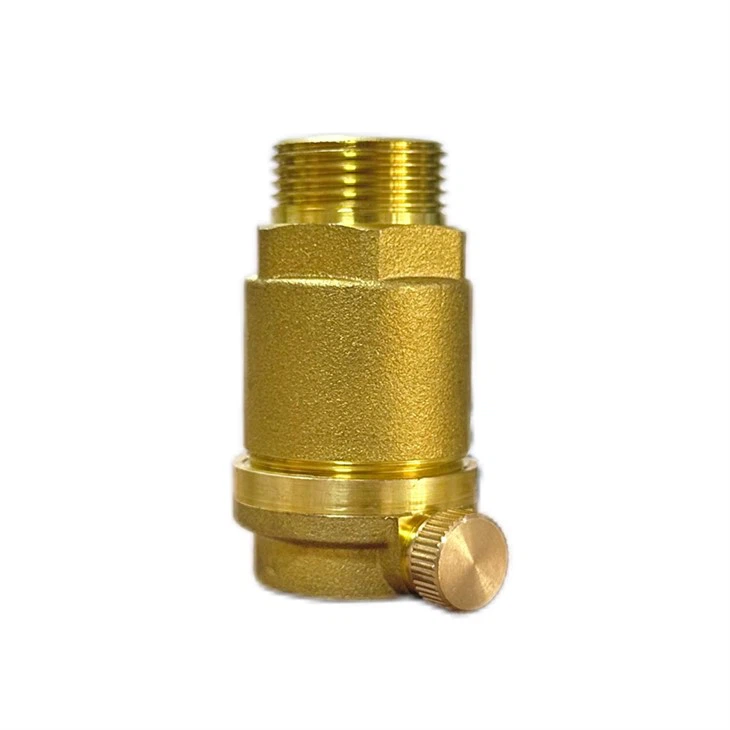
At our company, we offer a wide range of high - quality exhaust valves, including Brass Exhaust Valve. Brass exhaust valves are known for their durability, corrosion resistance, and excellent performance. They are suitable for a variety of applications, from automotive engines to industrial machinery.
Our brass exhaust valves are manufactured using the latest technology and high - grade materials to ensure a perfect fit and long - lasting performance. We understand the importance of reliable exhaust valves in maintaining the efficiency and performance of your systems. Whether you're looking to replace a leaky exhaust valve or upgrade your existing system, our brass exhaust valves are a great choice.
If you suspect that you have an exhaust valve leak in your engine or equipment, it's important to address the issue as soon as possible. Ignoring the problem can lead to more serious damage and higher repair costs in the long run. Our team of experts is always ready to assist you in diagnosing the problem and finding the right exhaust valve solution for your needs.
We welcome you to contact us for more information about our exhaust valves and to discuss your specific requirements. Whether you're a small - scale workshop or a large industrial corporation, we have the products and expertise to meet your needs. Our goal is to provide you with the best - quality exhaust valves and excellent customer service.
References
- "Automotive Engine Technology" by James D. Halderman
- "Industrial Engine Handbook" by John Doe
- "Exhaust System Design and Performance" by Jane Smith