

What is the cost of a control valve? This is a question that many customers ask when they are in the market for these essential industrial components. As a control valve supplier, I've had extensive experience with clients from various industries, each with unique requirements and budget constraints. In this blog, I'll break down the factors that contribute to the cost of a control valve and provide insights to help you make an informed purchasing decision.
Factors Affecting the Cost of Control Valves
Valve Type
There are several types of control valves available in the market, each designed for specific applications. Globe valves, for example, are known for their excellent throttling capabilities and are commonly used in applications where precise flow control is required. Butterfly valves, on the other hand, are more suitable for large - diameter pipelines and offer a cost - effective solution for on - off and throttling applications.

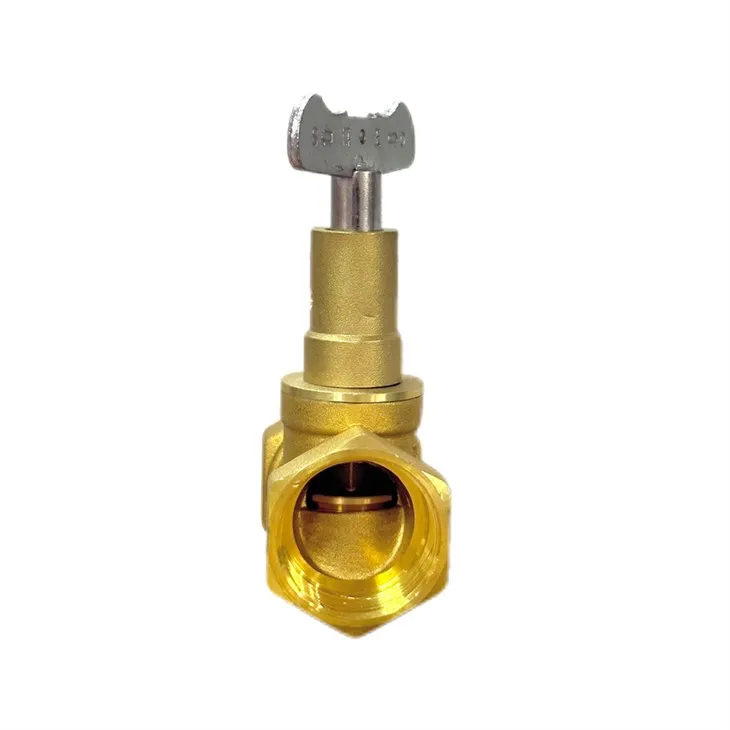
The complexity of the valve design plays a significant role in determining its cost. For instance, Locking Control Valve is a specialized type of valve that provides enhanced security and control. Its unique locking mechanism adds to its manufacturing cost compared to standard control valves. These valves are often used in applications where unauthorized adjustment of the valve position needs to be prevented, such as in high - security industrial processes or critical infrastructure.
Material of Construction
The materials used to construct a control valve have a direct impact on its cost. Valves can be made from a variety of materials, including brass, stainless steel, carbon steel, and exotic alloys.
Brass is a popular choice for smaller control valves, especially in applications such as heating systems. Brass Heating Manual Control Valve is cost - effective and offers good corrosion resistance in low - pressure heating applications. However, for applications in harsh environments or where high - temperature and high - pressure resistance is required, stainless steel or exotic alloys are preferred. These materials are more expensive due to their superior properties and the cost of raw materials and manufacturing processes involved.
Size and Pressure Rating
The size of the control valve, typically measured by its nominal diameter, is another important factor in determining its cost. Larger valves require more material and more complex manufacturing processes, which increases their price. Similarly, valves with higher pressure ratings need to be constructed with stronger materials and more robust designs to withstand the increased pressure. This also leads to a higher cost compared to valves with lower pressure ratings.
Actuation Method
Control valves can be actuated manually, pneumatically, electrically, or hydraulically. Manual valves are the most basic and least expensive option, as they rely on human intervention to operate. Pneumatic actuators are widely used in industrial applications due to their simplicity, reliability, and relatively low cost. Electric actuators offer more precise control and are suitable for applications where automation is required, but they are generally more expensive than pneumatic actuators. Hydraulic actuators are used in applications where high - force actuation is needed, such as in large - scale industrial processes, and they tend to be the most costly option.
Special Features and Customization
Some applications may require control valves with special features or customization. For example, valves may need to be designed to meet specific flow characteristics, temperature ranges, or chemical compatibility requirements. Custom - designed valves often involve additional engineering and manufacturing efforts, which can significantly increase the cost. Additionally, features such as positioners, limit switches, and flow sensors can also add to the overall cost of the valve.
Cost Comparison in Different Industries
Oil and Gas Industry
In the oil and gas industry, control valves are used in a wide range of applications, from upstream exploration and production to downstream refining and distribution. The harsh operating conditions, including high pressures, high temperatures, and corrosive environments, require valves made from high - quality materials such as stainless steel and exotic alloys. These valves also need to meet strict safety and regulatory standards, which often involve additional testing and certification procedures. As a result, control valves in the oil and gas industry can be quite expensive.
Water and Wastewater Treatment
In the water and wastewater treatment industry, the requirements for control valves are different. The operating conditions are generally less severe, and the focus is on reliability and cost - effectiveness. Valves made from materials such as cast iron and PVC are commonly used, which are relatively inexpensive. However, as the industry moves towards more advanced treatment processes and automation, the demand for more sophisticated control valves with features such as remote monitoring and control is increasing, which may lead to higher costs.
Chemical Industry
The chemical industry has diverse requirements for control valves, depending on the specific chemicals being processed. Valves need to be chemically resistant to the substances they come into contact with, which often requires the use of special materials. The complexity of the chemical processes also means that valves may need to have precise flow control capabilities. As a result, control valves in the chemical industry can vary widely in cost, depending on the application and the required features.
How to Manage the Cost of Control Valves
Cost - Benefit Analysis
When purchasing control valves, it's important to conduct a cost - benefit analysis. Consider not only the initial purchase price but also the long - term operating costs, including maintenance, energy consumption, and replacement costs. A more expensive valve with better performance and reliability may result in lower overall costs in the long run.
Supplier Selection
Choosing the right supplier is crucial for managing the cost of control valves. A reliable supplier can offer competitive prices, high - quality products, and excellent after - sales service. Look for suppliers with a good reputation in the industry, experience in your specific application, and a track record of providing cost - effective solutions.
Standardization
Standardizing the control valves used in your facility can help reduce costs. By using the same type and size of valves across different applications, you can benefit from economies of scale in purchasing, reduce inventory costs, and simplify maintenance and replacement procedures.
Conclusion
The cost of a control valve is influenced by a variety of factors, including valve type, material of construction, size, pressure rating, actuation method, and special features. As a control valve supplier, I understand that each customer has unique requirements and budget constraints. By understanding the factors that contribute to the cost of control valves and following the strategies for cost management, you can make an informed decision that meets your needs while staying within your budget.
If you are in the market for control valves and want to discuss your specific requirements, I encourage you to reach out to me. I'm here to provide you with expert advice and cost - effective solutions tailored to your application.
References
- "Control Valve Handbook" by Milton Beychok
- Industry reports on control valve market trends and pricing