

Hey there! As a float valve supplier, I often get asked about the difference between a float valve and a ball valve. It's a common question, and I'm here to break it down for you in simple terms.

Let's start with the basics. Both float valves and ball valves are used in fluid control systems, but they serve different purposes and work in different ways.
How a Float Valve Works
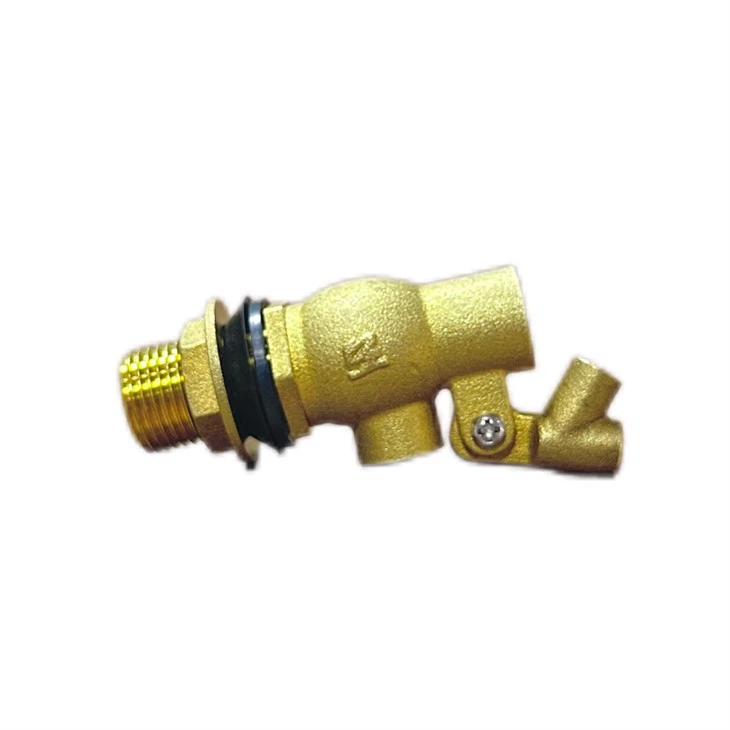
A float valve is a type of valve that uses a floating object, usually a ball or a cylinder, to control the flow of liquid in a tank or reservoir. The float is connected to a lever or a rod, which in turn is connected to the valve mechanism. As the liquid level in the tank rises, the float rises with it. When the float reaches a certain level, it activates the valve, which then shuts off the flow of liquid into the tank. Conversely, when the liquid level drops, the float drops too, and the valve opens to allow more liquid to enter the tank.
Float valves are commonly used in water tanks, cisterns, and other storage containers to maintain a constant water level. They're also used in industrial applications, such as in cooling systems and chemical processing plants, to control the flow of various liquids.
One of the advantages of float valves is their simplicity. They're relatively easy to install and maintain, and they don't require any external power source to operate. They're also very reliable, as they've been used for decades and have a proven track record of performance.
There are different types of float valves available on the market. For example, you can check out our Vertical Float Valve for Water Tank, which is designed specifically for vertical installation in water tanks. We also have Plastic Float Valve options, which are lightweight, corrosion - resistant, and cost - effective. And if you need a float valve for your water tank made of plastic, our Plastic Float Valve for Water Tank is a great choice.
How a Ball Valve Works
A ball valve, on the other hand, is a quarter - turn valve that uses a spherical disc (the ball) to control the flow of fluid. The ball has a hole (port) through the center. When the valve is open, the port is aligned with the flow path, allowing fluid to pass through. When the valve is closed, the ball is rotated a quarter - turn so that the port is perpendicular to the flow path, blocking the flow of fluid.
Ball valves are known for their quick and easy operation. You can open or close a ball valve with just a simple turn of a handle or a lever. They're also very durable and can handle high pressures and temperatures. This makes them suitable for a wide range of applications, including in the oil and gas industry, plumbing systems, and even in some household appliances.
Ball valves offer excellent shut - off capabilities. Once the valve is closed, there's very little chance of leakage, which is crucial in applications where preventing fluid loss is important.
Key Differences
Function
The main difference in function is that float valves are primarily used for level control. They're designed to keep the liquid level in a tank within a certain range. Ball valves, on the other hand, are used for on - off control of fluid flow. You use a ball valve to start or stop the flow of fluid in a pipeline.
Operation
Float valves operate automatically based on the liquid level. They don't require any manual intervention to open or close as long as the float mechanism is working properly. Ball valves, however, require manual or automated actuation. You need to physically turn the handle or use an actuator (in the case of automated ball valves) to open or close the valve.
Design
Float valves have a more complex design in terms of the float and the lever mechanism. The float needs to be properly sized and positioned to ensure accurate level control. Ball valves have a simpler design in terms of their basic structure. The ball and the valve body are the main components, and the operation is based on a simple rotation of the ball.
Applications
Float valves are mainly used in applications where maintaining a specific liquid level is critical, like in water storage tanks and some industrial processes where a constant supply of liquid at a certain level is required. Ball valves are used in applications where quick and reliable on - off control of fluid flow is needed, such as in pipelines that carry water, gas, or other fluids.
Which One to Choose?
The choice between a float valve and a ball valve depends on your specific needs. If you're dealing with a tank and need to control the liquid level, a float valve is the obvious choice. For example, if you're setting up a water tank for your home or a small business, a float valve will ensure that the tank doesn't overflow or run dry.
If you're working on a plumbing project where you need to control the flow of water in a pipe, like in a new bathroom installation or a plumbing repair, a ball valve might be more suitable. It allows you to quickly turn the water on or off when needed.
Conclusion
In conclusion, float valves and ball valves are both important components in fluid control systems, but they have distinct differences in function, operation, design, and applications. As a float valve supplier, I can offer you a wide range of high - quality float valves to meet your level - control needs. Whether you need a vertical float valve for your water tank or a plastic float valve for a specific application, we've got you covered.
If you're interested in purchasing float valves for your project, I'd love to have a chat with you. Contact us to discuss your requirements, and we can work together to find the best float valve solution for you.
References
- Fluid Control Handbook: A comprehensive guide to different types of valves and their applications.
- Valve Manufacturer's Catalogs: Information provided by various valve manufacturers on the features and specifications of float valves and ball valves.