

What is the hardness of the brass used in a 1/2 brass ball valve?
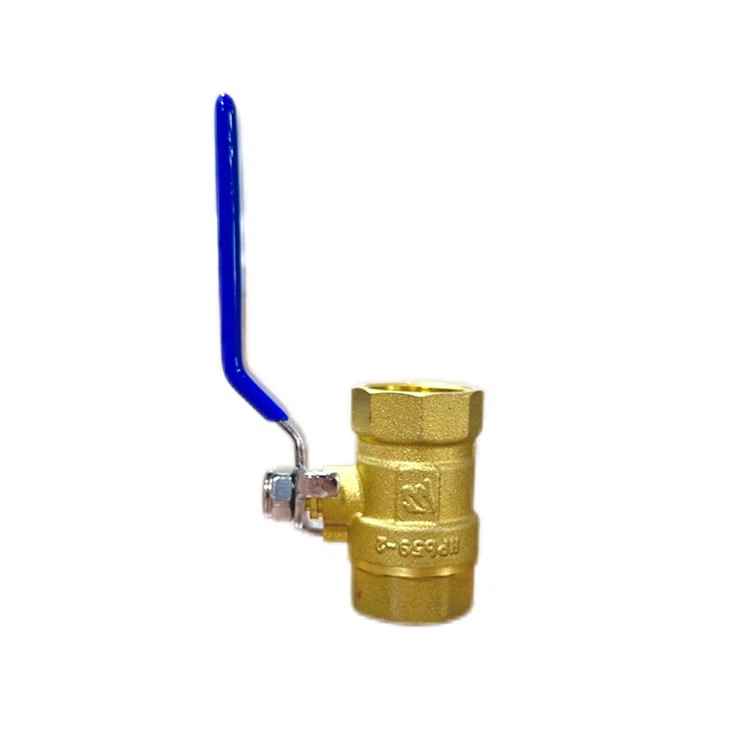

As a supplier of 1/2 brass ball valves, I often encounter inquiries regarding the properties of the materials we use, and one question that frequently comes up is about the hardness of the brass in our valves. In this blog post, I'll delve into the concept of brass hardness, its significance in 1/2 brass ball valves, and how it impacts the performance and durability of our products.
Understanding Brass and Its Composition
Brass is an alloy primarily composed of copper and zinc. The proportion of these two elements can vary, leading to different types of brass with distinct properties. Other elements such as lead, tin, and aluminum may also be added in small amounts to enhance specific characteristics like machinability, corrosion resistance, or strength.
The choice of brass composition for a 1/2 brass ball valve is crucial as it directly affects the valve's performance under various operating conditions. For instance, in applications where the valve will be exposed to high - pressure fluids or abrasive substances, a harder brass alloy might be preferred to ensure long - term reliability.
Measuring the Hardness of Brass
Hardness is a measure of a material's resistance to deformation, indentation, or scratching. There are several methods to measure the hardness of brass, with the most common ones being the Brinell, Rockwell, and Vickers hardness tests.
The Brinell hardness test involves pressing a hardened steel or tungsten carbide ball of a specified diameter into the surface of the brass sample under a known load. The diameter of the indentation left on the surface is then measured, and the Brinell hardness number (BHN) is calculated. This test is suitable for measuring the hardness of large, relatively thick samples.
The Rockwell hardness test, on the other hand, uses a diamond cone or a hardened steel ball indenter. The indenter is first applied with a minor load, and then a major load is added. The difference in the depth of penetration between the two loads is used to determine the Rockwell hardness number. This test is quick and can be used on a variety of sample sizes and shapes.
The Vickers hardness test uses a square - based pyramid - shaped indenter. A known load is applied to the indenter, which is pressed into the brass surface. The diagonal length of the resulting indentation is measured, and the Vickers hardness number (HV) is calculated. This test is highly accurate and can be used for very small or thin samples.
Typical Hardness of Brass Used in 1/2 Brass Ball Valves
The hardness of the brass used in 1/2 brass ball valves can vary depending on the specific alloy and manufacturing process. Generally, the brass used in these valves has a Brinell hardness ranging from 80 to 160 BHN. This range provides a good balance between strength, machinability, and corrosion resistance.
For example, a common brass alloy used in valve manufacturing is C36000, also known as free - machining brass. It typically has a Brinell hardness of around 80 - 90 BHN. This alloy contains a relatively high amount of lead (about 3%), which improves its machinability but slightly reduces its hardness compared to some other brass alloys.
On the other hand, alloys like C26000 (cartridge brass) can have a higher hardness, with a Brinell hardness in the range of 100 - 160 BHN. Cartridge brass has a higher copper content and is known for its good strength and corrosion resistance, making it suitable for applications where the valve may be exposed to more demanding conditions.
Significance of Brass Hardness in 1/2 Brass Ball Valves
The hardness of the brass in a 1/2 brass ball valve plays a vital role in its performance and durability.
Wear Resistance
A harder brass alloy can better withstand the wear and tear caused by the flow of fluids through the valve. In applications where the fluid contains suspended particles or abrasive substances, a valve made of a harder brass will have a longer service life as it is less likely to be damaged by the abrasive action. For example, in industrial water treatment systems where the water may contain sand or other solid particles, a 1/2 brass ball valve with higher hardness will resist erosion better.
Sealing Performance
The hardness of the brass also affects the sealing performance of the valve. A valve with the right hardness can form a tight seal between the ball and the seats, preventing leakage. If the brass is too soft, it may deform under pressure, leading to a poor seal. Conversely, if it is too hard, it may be difficult to achieve a proper seal, and the valve may require more precise machining and assembly.
Pressure Resistance
Harder brass alloys can withstand higher pressures without deforming. In applications where the valve is used in high - pressure systems, such as in hydraulic or pneumatic systems, a 1/2 brass ball valve made of a harder brass alloy can safely handle the pressure without failure.
Our 1/2 Brass Ball Valve Offerings
As a supplier, we offer a wide range of 1/2 brass ball valves made from different brass alloys to meet the diverse needs of our customers. Our 1/2 Brass Ball Valve products are carefully manufactured to ensure the right balance of hardness, strength, and corrosion resistance.
We also have specialized valves like the 201 Type Brass Temperature - measuring Ball Valve, which is designed for applications where temperature measurement is required. These valves are made from high - quality brass alloys with appropriate hardness to ensure reliable performance in various temperature and pressure conditions.
In addition, our Ball Brass Valve product line includes valves of different sizes and specifications, all manufactured with strict quality control to ensure that they meet or exceed industry standards.
Conclusion
The hardness of the brass used in a 1/2 brass ball valve is a critical factor that affects its performance, durability, and suitability for different applications. By understanding the concept of brass hardness and its significance, customers can make more informed decisions when choosing the right valve for their needs.
If you are in the market for high - quality 1/2 brass ball valves, we invite you to contact us for more information. Our team of experts is ready to assist you in selecting the most suitable valve for your specific requirements and to discuss your procurement needs. Whether you need a valve for a simple residential plumbing system or a complex industrial application, we have the products and expertise to meet your expectations.
References
- "Metals Handbook: Properties and Selection: Nonferrous Alloys and Pure Metals", ASM International.
- "Materials Science and Engineering: An Introduction", William D. Callister, Jr. and David G. Rethwisch.
- Industry standards and technical specifications related to brass ball valves.