

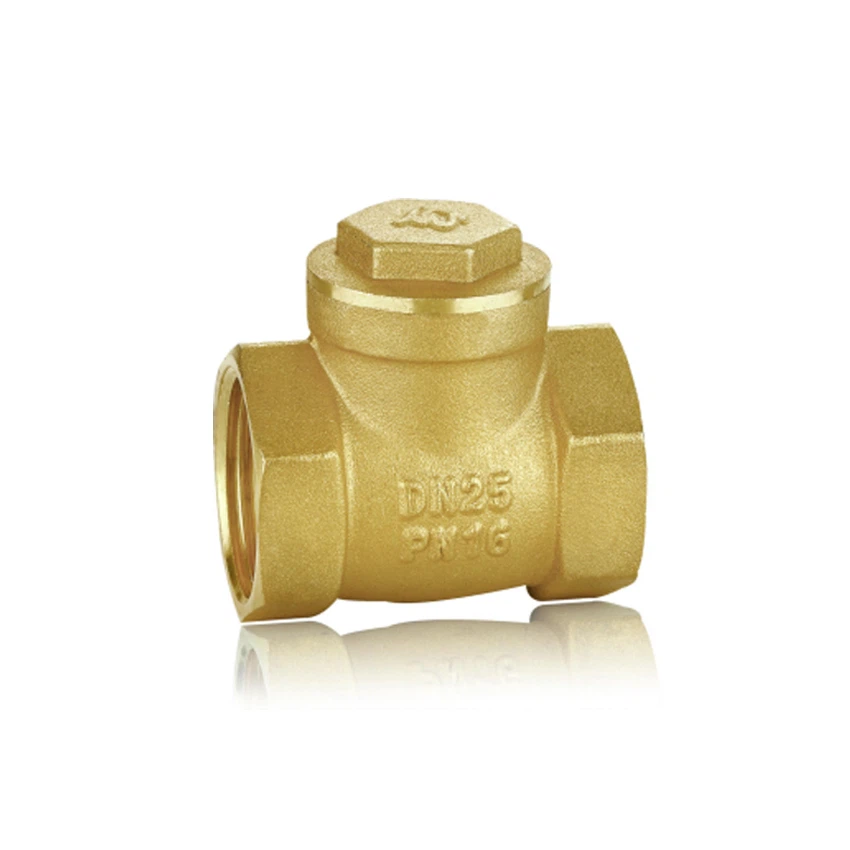
The lifespan of a brass check valve is a crucial consideration for both suppliers and customers. As a supplier of brass check valves, I understand the significance of this topic. In this blog, I'll delve into the factors that influence the lifespan of brass check valves, typical lifespans under different conditions, and how to maximize their longevity.
Factors Affecting the Lifespan of Brass Check Valves
Material Quality
The quality of the brass used in manufacturing the check valve is fundamental. High - grade brass has better corrosion resistance, strength, and durability. For instance, brass with a higher copper content generally offers better protection against rust and erosion. Low - quality brass may contain impurities that can lead to premature degradation, pitting, and ultimately, failure of the valve. When we as a supplier source brass for our Brass Integrated Vertical Check Valve, we ensure it meets strict quality standards to guarantee a longer lifespan for our products.
Operating Conditions
The environment in which the brass check valve operates has a significant impact on its lifespan.
- Temperature: Extreme temperatures can cause brass to expand or contract, potentially leading to leaks or damage to the valve's internal components. For example, in high - temperature applications, such as in some industrial heating systems, the repeated thermal cycling can weaken the brass over time.
- Pressure: High - pressure systems place a greater stress on the valve. If a check valve is constantly exposed to pressures beyond its rated capacity, it can lead to deformation of the valve disc, seat, or body. Our Industrial Check Valve is designed to withstand specific pressure ranges, and using it within these limits can significantly extend its lifespan.
- Fluid Characteristics: The type of fluid flowing through the valve matters. Corrosive fluids, like acidic or alkaline solutions, can eat away at the brass surface. Abrasive particles in the fluid can also cause wear on the valve components, especially on the contact surfaces between the disc and the seat.
Installation and Maintenance
Proper installation is key to a long - lasting brass check valve. Incorrect installation, such as improper alignment or over - tightening of fittings, can cause internal stress within the valve, leading to premature failure. Even the best - quality check valves, like our DN15 Brass Check Valve, can be damaged if not installed correctly.
Regular maintenance is equally important. Periodic inspections can help detect early signs of wear, corrosion, or leakage. Cleaning the valve to remove any debris or build - up and replacing worn - out parts can prevent minor issues from escalating into major problems.
Typical Lifespans Under Different Scenarios
Domestic Applications
In household water supply systems, where the operating conditions are relatively mild (moderate temperature, low pressure), a well - made brass check valve can last anywhere from 10 to 15 years. These valves are usually used to prevent backflow in sinks, toilets, and other plumbing fixtures. With proper installation and occasional maintenance, such as checking for leaks and ensuring the valve operates freely, they can provide reliable service for a long time.
Commercial Applications
Commercial buildings, such as offices and hotels, often have more complex plumbing systems. The brass check valves in these settings may face slightly higher pressures and more frequent use. Typically, they can last between 8 and 12 years. The larger scale of these systems may also make maintenance more challenging, but it is still essential to ensure the continued performance of the valves.
Industrial Applications
In industrial environments, the lifespan of brass check valves can vary widely depending on the specific application. In less harsh industrial settings, such as in some food and beverage processing plants where the fluids are relatively benign, the valves may last 5 to 10 years. However, in more severe industrial applications, such as chemical processing or oil and gas refining, where the valves are exposed to corrosive chemicals, high pressures, and extreme temperatures, the lifespan can be significantly shorter, sometimes as little as 1 to 3 years.
Maximizing the Lifespan of Brass Check Valves
Selecting the Right Valve
Choosing the appropriate brass check valve for the specific application is crucial. Consider factors such as the pressure rating, temperature range, and the type of fluid. As a supplier, we offer a wide range of brass check valves to meet different customer needs. Our technical team can provide guidance on selecting the most suitable valve for your project, ensuring that it is designed to handle the operating conditions effectively.
Proper Installation
Follow the manufacturer's installation instructions carefully. Use the correct tools and techniques to ensure proper alignment and tightening of fittings. If necessary, consult a professional plumber or technician for installation, especially in complex systems.
Regular Maintenance
Establish a maintenance schedule for the brass check valves. This includes visual inspections for signs of wear, corrosion, or leakage. Clean the valves periodically to remove any debris or deposits. Replace worn - out gaskets, seals, or other components as needed. By investing in regular maintenance, you can extend the lifespan of the valves and avoid costly breakdowns.

Conclusion
The lifespan of a brass check valve is influenced by multiple factors, including material quality, operating conditions, installation, and maintenance. As a supplier of brass check valves, we are committed to providing high - quality products and offering valuable advice to our customers on how to maximize the lifespan of these valves. Whether you are looking for a Brass Integrated Vertical Check Valve, a DN15 Brass Check Valve, or an Industrial Check Valve, we can help you make the right choice.
If you are interested in purchasing brass check valves or have any questions about their lifespan, performance, or maintenance, please feel free to contact us for further discussion and procurement negotiation. We look forward to working with you to meet your valve needs.
References
- ASME B16.34 - Valve Flanges and Fittings: Pressure - Temperature Ratings for Valves, Flanges, and Fittings
- ASTM B16 - Standard Specification for Brass Rod and Bar
- Crane Technical Paper No. 410 - Flow of Fluids Through Valves, Fittings, and Pipe