

Hey there! As a float valve supplier, I often get asked about the maximum pressure a float valve can handle. It's a crucial question because if you're using a float valve in a system, you need to make sure it can withstand the pressure without failing. In this blog post, I'm going to break down the factors that affect a float valve's pressure tolerance and give you a better idea of what to expect.
Understanding Float Valves
Before we dive into the pressure stuff, let's quickly go over what a float valve is. A float valve is a simple device that controls the flow of liquid in a tank or reservoir. It consists of a float, which is usually a hollow ball or cylinder, attached to a lever. The lever is connected to a valve that opens and closes based on the position of the float. When the liquid level in the tank rises, the float rises with it, causing the lever to close the valve and stop the flow of liquid. When the liquid level drops, the float drops too, and the valve opens to let more liquid in.
Float valves are used in a wide range of applications, from small household water tanks to large industrial storage facilities. They're popular because they're easy to install, reliable, and cost-effective.
Factors Affecting Pressure Tolerance
Now, let's talk about what determines how much pressure a float valve can handle. There are several factors to consider:
Material
The material the float valve is made of plays a big role in its pressure tolerance. Different materials have different strength and durability characteristics. For example, plastic float valves are lightweight and corrosion-resistant, but they may not be able to handle as much pressure as metal ones. On the other hand, metal float valves, such as those made of brass or stainless steel, are stronger and can withstand higher pressures, but they may be more expensive and prone to corrosion in certain environments.
If you're looking for a plastic float valve, you can check out our Plastic Float Valve for Water Tank or Plastic Float Valve. These valves are made from high-quality plastics that are designed to resist wear and tear and can handle a decent amount of pressure.
Design
The design of the float valve also affects its pressure tolerance. Some float valves are designed to handle high pressures, while others are more suitable for low-pressure applications. For example, a vertical float valve is often used in high-pressure systems because its design allows it to better withstand the force of the fluid.
If you need a float valve for a high-pressure water tank, our Vertical Float Valve for Water Tank might be a good option. It's specifically designed to handle the pressure and flow requirements of water tanks.
Size
The size of the float valve can also impact its pressure tolerance. Generally, larger valves can handle more pressure than smaller ones. This is because they have a larger surface area, which allows them to distribute the force of the fluid more evenly. However, it's important to choose the right size valve for your application. If the valve is too large, it may not operate efficiently, and if it's too small, it may not be able to handle the pressure and flow requirements.
Operating Conditions
The operating conditions of the float valve, such as the temperature and the type of fluid, can also affect its pressure tolerance. For example, if the fluid is hot or corrosive, it can weaken the materials of the valve and reduce its pressure rating. Additionally, if the valve is installed in a high-vibration environment, it can cause premature wear and failure.
Typical Pressure Ratings
So, what's the maximum pressure a float valve can handle? Well, it depends on all the factors we just talked about. Generally, plastic float valves can handle pressures ranging from 10 to 100 psi (pounds per square inch), while metal float valves can handle pressures up to several hundred psi.
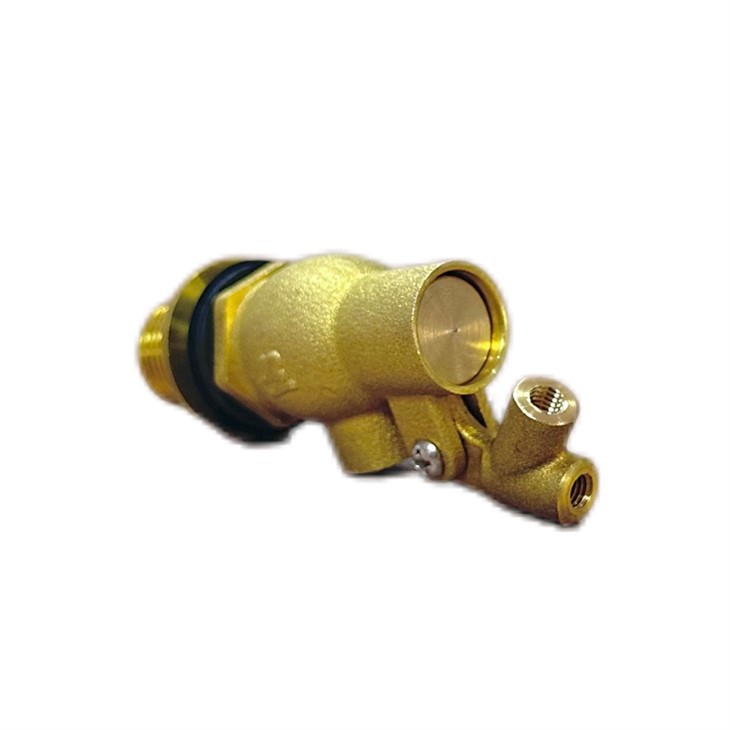

For example, our plastic float valves are typically rated for pressures up to 60 psi, which is suitable for most household and small commercial applications. Our metal float valves, on the other hand, can handle pressures up to 200 psi or more, making them ideal for industrial and high-pressure systems.
It's important to note that these are just general guidelines, and the actual pressure rating of a float valve may vary depending on the specific model and manufacturer. Always check the product specifications and documentation to determine the maximum pressure a particular float valve can handle.
Choosing the Right Float Valve
When choosing a float valve for your application, it's important to consider all the factors we've discussed. Here are some tips to help you make the right choice:
Determine the Pressure Requirements
The first step is to determine the pressure requirements of your system. This will depend on the type of application, the size of the tank, and the flow rate of the fluid. Once you know the pressure requirements, you can choose a float valve that is rated for that pressure.
Consider the Material
As we mentioned earlier, the material of the float valve is important. Choose a material that is suitable for the type of fluid and the operating conditions of your system. If you're dealing with a corrosive fluid, for example, you may want to choose a plastic or stainless steel float valve.
Look at the Design
The design of the float valve can also affect its performance. Consider the type of float valve, such as a horizontal or vertical valve, and choose one that is suitable for your application. Additionally, look for features such as a tight seal and a durable construction.
Check the Size
Make sure you choose the right size float valve for your system. A valve that is too small may not be able to handle the flow rate, while a valve that is too large may not operate efficiently.
Conclusion
In conclusion, the maximum pressure a float valve can handle depends on several factors, including the material, design, size, and operating conditions. As a float valve supplier, we offer a wide range of float valves with different pressure ratings to meet the needs of various applications. Whether you need a plastic float valve for a small water tank or a metal float valve for a high-pressure industrial system, we can help you find the right product.
If you have any questions or need help choosing the right float valve for your application, don't hesitate to contact us. We're here to assist you with your procurement needs and ensure that you get the best float valve for your money. Let's start a conversation and find the perfect solution for you.
References
- "Float Valves: Principles and Applications" - A technical guide on float valve operation and design.
- Manufacturer's product specifications for float valves.