

What is the maximum pressure a PPR brass ball valve can withstand?
As a supplier of PPR brass ball valves, I often encounter inquiries from customers about the maximum pressure these valves can withstand. Understanding this crucial parameter is essential for ensuring the safe and efficient operation of plumbing systems. In this blog post, I will delve into the factors that determine the maximum pressure capacity of PPR brass ball valves, explore industry standards, and provide insights to help you make informed decisions when selecting the right valve for your applications.
Factors Affecting the Maximum Pressure Capacity
The maximum pressure a PPR brass ball valve can withstand is influenced by several key factors, each playing a significant role in determining its performance and durability.
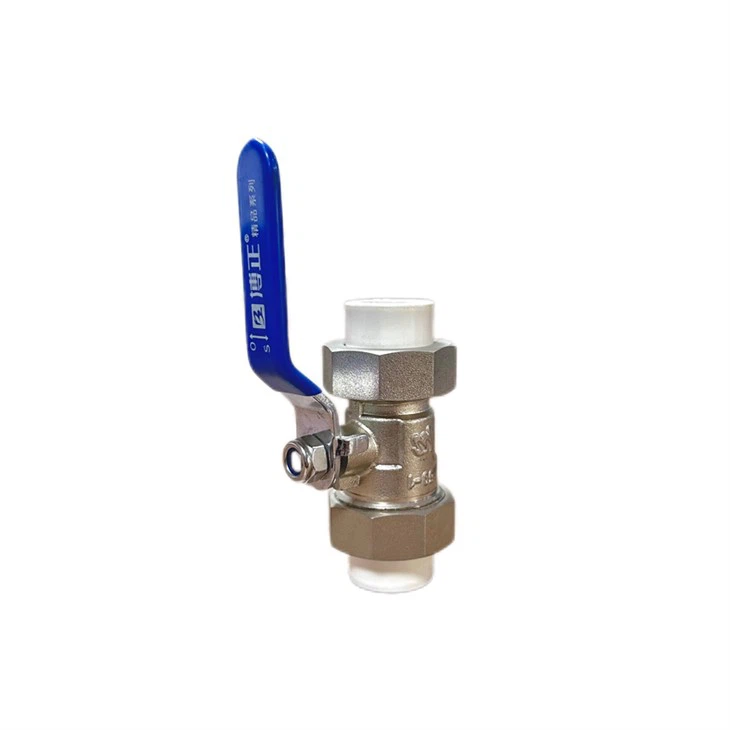

Material Quality
The quality of the materials used in the construction of the valve is paramount. PPR (Polypropylene Random Copolymer) is a thermoplastic polymer known for its excellent chemical resistance, high strength, and low thermal conductivity. When combined with brass, which offers superior corrosion resistance and mechanical strength, the resulting PPR brass ball valve can withstand higher pressures. High - grade PPR and brass materials are less likely to deform or crack under pressure, ensuring long - term reliability.
Design and Manufacturing Process
The design of the PPR brass ball valve also affects its pressure - handling capabilities. A well - designed valve will have a robust structure that can distribute pressure evenly across its components. For example, the ball inside the valve should be precisely machined to ensure a tight seal, preventing leakage even at high pressures. The manufacturing process, including molding, threading, and assembly, must adhere to strict quality control standards to guarantee the integrity of the valve.
Temperature
Temperature has a significant impact on the pressure capacity of PPR brass ball valves. As the temperature increases, the mechanical properties of PPR and brass can change. PPR may become more flexible at higher temperatures, which can reduce its ability to withstand pressure. Therefore, it is important to consider the operating temperature range when determining the maximum pressure a valve can handle. Most PPR brass ball valves are designed to operate within a specific temperature range, typically between - 20°C to 95°C.
Industry Standards for Pressure Ratings
To ensure the safety and performance of PPR brass ball valves, various industry standards have been established. These standards define the minimum requirements for pressure ratings, testing methods, and quality control.
One of the most widely recognized standards is the ISO (International Organization for Standardization) standard. ISO 15874 specifies the requirements for PPR pipes and fittings, including ball valves. According to this standard, PPR brass ball valves are typically classified into different pressure classes, such as PN10, PN16, and PN25. The "PN" stands for "Pressure Nominal," and the number indicates the maximum pressure in bar that the valve can withstand at a specific temperature (usually 20°C).
For example, a PPR brass ball valve with a PN16 rating can withstand a maximum pressure of 16 bar at 20°C. However, it is important to note that the pressure rating may decrease as the temperature increases. Some manufacturers may also provide additional information about the pressure - temperature relationship in their product specifications.
Determining the Right Pressure Rating for Your Application
When selecting a PPR brass ball valve, it is crucial to choose the right pressure rating for your specific application. Here are some steps to help you make the right decision:
Assess the System Pressure
First, you need to determine the maximum pressure that will be present in your plumbing system. This can be done by consulting the system design documents or by measuring the pressure using a pressure gauge. It is important to consider both normal operating pressure and any potential pressure surges that may occur, such as during valve opening and closing.
Consider the Temperature
As mentioned earlier, temperature affects the pressure capacity of the valve. Make sure to select a valve with a pressure rating that is suitable for the expected operating temperature range. If your system operates at high temperatures, you may need to choose a valve with a higher pressure rating to compensate for the reduced pressure - handling capabilities at elevated temperatures.
Evaluate the Safety Margin
It is always advisable to choose a valve with a pressure rating that is higher than the maximum expected system pressure. This provides a safety margin to account for any unforeseen pressure fluctuations or changes in operating conditions. A general rule of thumb is to select a valve with a pressure rating that is at least 1.5 times the maximum system pressure.
Our PPR Brass Ball Valve Offerings
At our company, we offer a wide range of PPR brass ball valves with different pressure ratings to meet the diverse needs of our customers. Our valves are made from high - quality PPR and brass materials, and they are designed and manufactured to the highest industry standards.
We have PPR Brass Ball Valve with PN10, PN16, and PN25 ratings, suitable for various applications, from residential plumbing to industrial systems. Our PPR Ball Valve 1/2 is a popular choice for small - scale plumbing projects, while our larger - sized valves are ideal for commercial and industrial use. We also offer PPR Brass External Thread Joint, which can be used in conjunction with our ball valves to create a complete plumbing system.
Conclusion
The maximum pressure a PPR brass ball valve can withstand is determined by a combination of factors, including material quality, design, manufacturing process, and temperature. By understanding these factors and referring to industry standards, you can select the right valve for your application. At our company, we are committed to providing high - quality PPR brass ball valves that meet the highest performance and safety standards.
If you are in the market for PPR brass ball valves or have any questions about pressure ratings and valve selection, we encourage you to contact us. Our team of experts is ready to assist you in finding the perfect solution for your plumbing needs.
References
- ISO 15874:2003 - Plastics piping systems for hot and cold water installations - Polypropylene (PP) - Part 1: General
- Technical literature from leading PPR brass ball valve manufacturers