

When it comes to plumbing systems, the choice of valves is crucial for ensuring efficient and quiet operation. As a supplier of 1/2 brass ball valves, I often receive inquiries about the sound insulation performance of these essential components. In this blog post, I will delve into the factors that affect the sound insulation of 1/2 brass ball valves, their performance in different scenarios, and why they are a great choice for your plumbing needs.
Understanding the Basics of 1/2 Brass Ball Valves
Before we discuss sound insulation, let's briefly review what a 1/2 brass ball valve is. A 1/2 brass ball valve is a type of quarter - turn valve that uses a hollow, perforated, and pivoting ball to control flow through it. The "1/2" refers to the valve's nominal size, which is commonly used in residential and small - scale commercial plumbing systems. Brass is the material of choice due to its excellent corrosion resistance, durability, and strength.
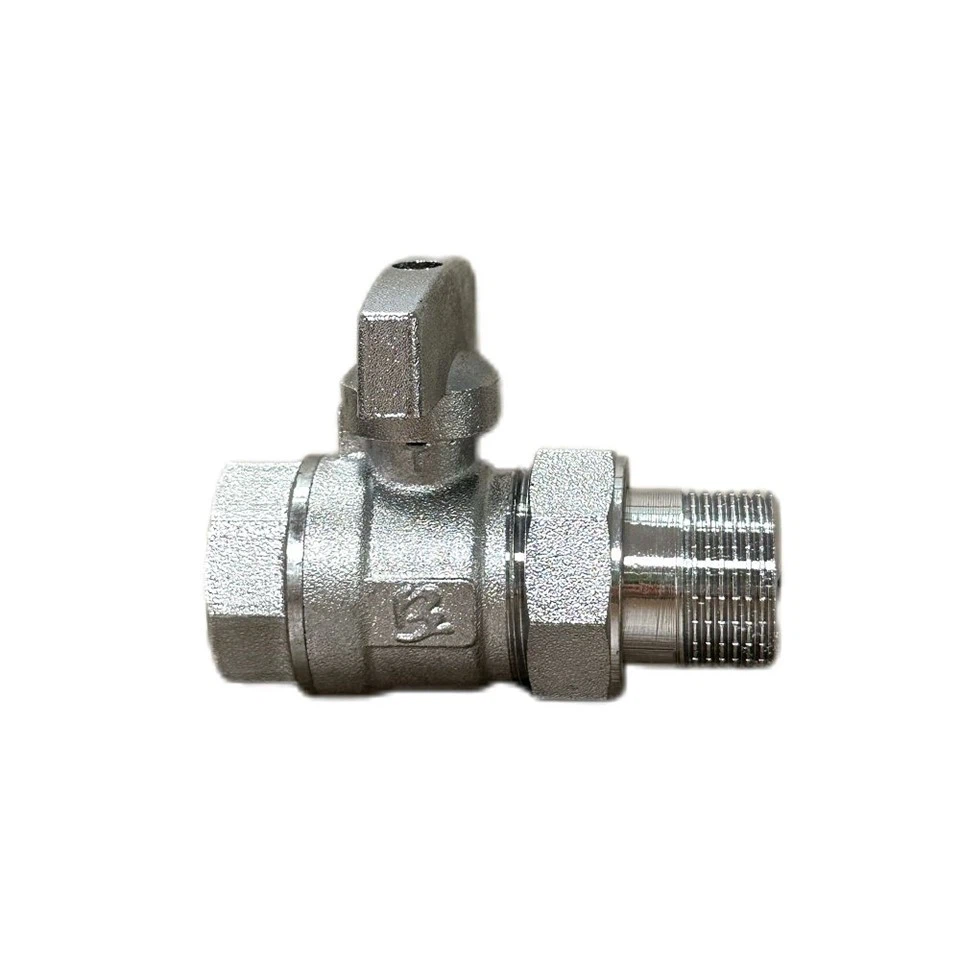
Our 1/2 Brass Ball Valve is meticulously crafted to meet the highest industry standards. It features a smooth - operating ball mechanism that ensures reliable flow control and long - term performance. The brass construction not only provides strength but also contributes to the valve's overall functionality, including its potential for sound insulation.
Factors Affecting Sound Insulation of 1/2 Brass Ball Valves
Several factors play a role in determining the sound insulation performance of a 1/2 brass ball valve:

Material Properties
Brass, as a material, has inherent damping properties. Damping is the ability of a material to absorb mechanical energy and convert it into heat, reducing the transmission of sound vibrations. Compared to some plastics or other metals, brass can effectively dampen the sound generated by the flow of water or other fluids through the valve. This is because the molecular structure of brass allows it to dissipate energy more efficiently, resulting in less noise being transmitted to the surrounding environment.
Valve Design
The design of the ball valve also has a significant impact on sound insulation. A well - designed 1/2 brass ball valve will have a tight - fitting ball and seat, which minimizes turbulence in the fluid flow. Turbulence is a major source of noise in plumbing systems, as it causes the fluid to collide with the valve walls and create vibrations. Our Straight Handle Brass Ball Valve is designed with precision to ensure a smooth and laminar flow of fluid, reducing the potential for noise generation.
Installation Quality
Proper installation is essential for optimal sound insulation. If the valve is not installed correctly, it can cause leaks or uneven stress on the valve body, which can lead to increased noise. For example, if the valve is not tightened properly, it may allow fluid to seep out and create a hissing sound. Additionally, the way the valve is connected to the plumbing pipes can affect sound transmission. Using soft - seated fittings or rubber gaskets can help isolate the valve from the pipes and reduce the transfer of vibrations.
Sound Insulation Performance in Different Scenarios
The sound insulation performance of a 1/2 brass ball valve can vary depending on the specific application:
Residential Plumbing
In a residential setting, the noise from plumbing systems can be a nuisance. A 1/2 brass ball valve can significantly reduce the noise associated with turning on or off the water supply. For example, in a bathroom, when the faucet is turned on and off, the valve's ability to control the flow smoothly can prevent the sudden jolts of water that often cause loud banging noises (also known as water hammer). Our valves are designed to minimize water hammer, ensuring a quiet and comfortable living environment.
Commercial Applications
In commercial buildings, such as offices or hotels, the need for quiet plumbing systems is even more critical. A noisy valve can disrupt the normal operations of the building and cause discomfort to the occupants. Our 1/2 brass ball valves are suitable for these applications, as they can maintain a low - noise level even under high - flow conditions. Whether it is a large - scale water supply system or a HVAC system, the sound insulation properties of our valves can contribute to the overall efficiency and tranquility of the building.
Advantages of Using Our 1/2 Brass Ball Valves for Sound Insulation
There are several reasons why our 1/2 brass ball valves are a great choice for sound insulation:
High - Quality Materials
We use only the finest brass alloys in the manufacturing of our valves. The high - quality brass not only provides excellent corrosion resistance but also enhances the damping properties of the valve, resulting in better sound insulation.
Precision Manufacturing
Our valves are manufactured with strict quality control measures. The precision - machined ball and seat ensure a tight seal and smooth flow of fluid, reducing the likelihood of noise - generating turbulence.
Versatility
Our 1 Threaded Brass Ball Valve and 1/2 brass ball valves are available in a variety of configurations and can be used in different types of plumbing systems. Whether you need a valve for a simple residential sink or a complex commercial water treatment system, we have the right product for you.
Conclusion and Call to Action
In conclusion, the sound insulation performance of a 1/2 brass ball valve is influenced by material properties, valve design, and installation quality. Our 1/2 brass ball valves are engineered to provide excellent sound insulation, making them a reliable choice for both residential and commercial plumbing applications.
If you are in the market for high - quality 1/2 brass ball valves with superior sound insulation performance, we invite you to contact us for a detailed discussion about your specific requirements. Whether you are a contractor working on a new construction project or a homeowner looking to upgrade your plumbing system, we can assist you in selecting the right valves for your needs. Let's work together to create a quiet and efficient plumbing environment.
References
- "Handbook of Plumbing Engineering: Design and Installation", [Author Name], Publisher Name, Publication Year
- "Materials Science for Plumbing Applications", [Author Name], Publisher Name, Publication Year
- Industry Standards on Plumbing Valve Performance, [Standard Organization], Publication Year