


What is Ball Valve
A ball valve is cylindrical in shape and has a hollow and pivoting ball as the flow control element. When the ball is open, the hole through the ball faces the flow, allowing fluid to pass through. When the handle of the valve is turned 90 degrees, the ball closes and the flow of fluid through the valve stops. When the valve is open, the handle (or lever) is perpendicular to the direction of flow, making visual indication of the status of the valve easy. The biggest benefit of ball valves is their long service life and reliable sealing capabilities.
Why Choose Us
Years Of Brand History
Our company was founded in 1998 and is now a comprehensive valve enterprise that integrates research and development, manufacturing, sales, and other related services.
Patent Certifications (Item)
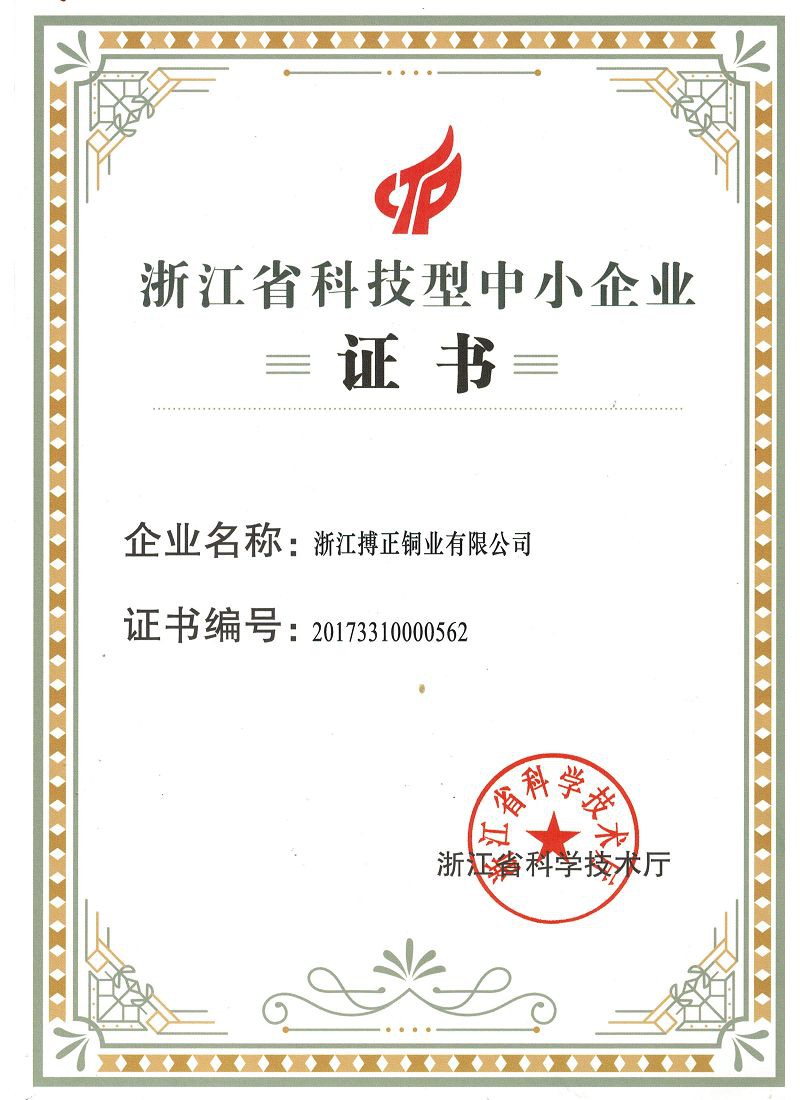
Rich Experience in Valve Industry;ISO9001 Quality Management System Certification.
Currently Employed By The Company
Our company continuously introduces advanced technicians and professional equipments, automated lathe equipments, high precision CNC machine tools to enhance production capacity, increase efficiency, improve production stability and reduce labour expenses.
Cooperative Clients (Home)
Our products are widely used in many other industries such as construction, plumbing, gas, chemical, petroleum, and electricity, winning widespread praise and recognition from distributors and users alike for their reliable quality, complete variety, safety, convenience, and long service life.
-
![Mold Temperature Control Machine Ball Valve]() Mold Temperature Control Machine Ball ValveMold Temperature Control Machine Ball Valve Technical Standard 1. Normal pressure:1.6MPa 2. Working medium: water, non-corrosive liquid. 3. Working temperature: -20℃≤T≤ 150℃ 4. Thread standard:read more
Mold Temperature Control Machine Ball ValveMold Temperature Control Machine Ball Valve Technical Standard 1. Normal pressure:1.6MPa 2. Working medium: water, non-corrosive liquid. 3. Working temperature: -20℃≤T≤ 150℃ 4. Thread standard:read more -
![Brass Internal And External Wire Union Ball Valve]() Brass Internal And External Wire Union Ball ValveBrass internal and external wire union ball valve Technical Standard 1. Normal pressure:1.6MPa 2. Working medium: water, non-corrosive liquid. 3. Working temperature: -20℃≤T≤ 150℃ 4. Threadread more
Brass Internal And External Wire Union Ball ValveBrass internal and external wire union ball valve Technical Standard 1. Normal pressure:1.6MPa 2. Working medium: water, non-corrosive liquid. 3. Working temperature: -20℃≤T≤ 150℃ 4. Threadread more -
![Bronze Ball Valve]() Bronze Ball ValveOur Bronze Ball Valves are designed with top-quality, lead-free bronze, making them ideal for use in potable water systems and compliant with drinking water safety standards. These valves provideread more
Bronze Ball ValveOur Bronze Ball Valves are designed with top-quality, lead-free bronze, making them ideal for use in potable water systems and compliant with drinking water safety standards. These valves provideread more -
![OEM/ODM Brass Ball Valve]() OEM/ODM Brass Ball ValveAs a leading manufacturer, we specialize in producing and selling high-quality OEM/ODM Brass Ball Valves. Our valves are designed to deliver superior performance, reliability, and customization toread more
OEM/ODM Brass Ball ValveAs a leading manufacturer, we specialize in producing and selling high-quality OEM/ODM Brass Ball Valves. Our valves are designed to deliver superior performance, reliability, and customization toread more -
![Ball Brass Valve]() Ball Brass ValveStep into a realm of unparalleled fluid management prowess with our meticulously engineered Brass Ball Valves. These valves aren't just components; they're the linchpin of your operations, offering aread more
Ball Brass ValveStep into a realm of unparalleled fluid management prowess with our meticulously engineered Brass Ball Valves. These valves aren't just components; they're the linchpin of your operations, offering aread more -
![1/2 Brass Ball Valve]() 1/2 Brass Ball ValveThe 1/2 Brass Ball Valve features a spherical ball with a hole through its center. When the valve is open, the ball is positioned so that the hole is aligned with the flow path, allowing fluid toread more
1/2 Brass Ball ValveThe 1/2 Brass Ball Valve features a spherical ball with a hole through its center. When the valve is open, the ball is positioned so that the hole is aligned with the flow path, allowing fluid toread more -
![1 Threaded Brass Ball Valve]() 1 Threaded Brass Ball ValveTake command of your fluid control systems with our premium Threaded Brass Ball Valve, meticulously engineered to deliver precision control and unmatched durability in a variety of industrial,read more
1 Threaded Brass Ball ValveTake command of your fluid control systems with our premium Threaded Brass Ball Valve, meticulously engineered to deliver precision control and unmatched durability in a variety of industrial,read more -
![Full Bore Brass Ball Valve With Matt Chrome]() Full Bore Brass Ball Valve With Matt ChromeOur full bore brass ball valves are designed to offer maximum flow capacity with minimal pressure drop. The full bore design ensures optimal fluid flow, making them ideal for systems whereread more
Full Bore Brass Ball Valve With Matt ChromeOur full bore brass ball valves are designed to offer maximum flow capacity with minimal pressure drop. The full bore design ensures optimal fluid flow, making them ideal for systems whereread more -
![Aluminum-plastic Pipe Ball Valve]() Aluminum-plastic Pipe Ball ValveOur ball valves are constructed using a combination of high-grade aluminum and durable plastic, ensuring a lightweight yet robust product. The aluminum component provides exceptional strength andread more
Aluminum-plastic Pipe Ball ValveOur ball valves are constructed using a combination of high-grade aluminum and durable plastic, ensuring a lightweight yet robust product. The aluminum component provides exceptional strength andread more -
![201 Type Brass Temperature-measuring Ball Valve]() 201 Type Brass Temperature-measuring Ball ValveEnhance your fluid management systems with our high-performance Brass Temperature-Measuring Ball Valve, expertly designed to provide precise temperature monitoring and reliable flow control inread more
201 Type Brass Temperature-measuring Ball ValveEnhance your fluid management systems with our high-performance Brass Temperature-Measuring Ball Valve, expertly designed to provide precise temperature monitoring and reliable flow control inread more -
![Full Bore Brass Ball Valve]() Full Bore Brass Ball ValveOur bore brass ball valves are crafted with meticulous precision to ensure seamless control over fluid flow. The full-bore design minimizes pressure drop and maximizes flow capacity, making themread more
Full Bore Brass Ball ValveOur bore brass ball valves are crafted with meticulous precision to ensure seamless control over fluid flow. The full-bore design minimizes pressure drop and maximizes flow capacity, making themread more -
![Straight Handle Brass Ball Valve]() Straight Handle Brass Ball ValveOur ball valves are crafted from high-grade brass, known for its superior strength, durability, and corrosion resistance. This ensures long-lasting performance and reliability, making them a valuableread more
Straight Handle Brass Ball ValveOur ball valves are crafted from high-grade brass, known for its superior strength, durability, and corrosion resistance. This ensures long-lasting performance and reliability, making them a valuableread more


Advantages of Ball Valve
Durability
One of the most remarkable pros of ball valves is their durability. They are well-known for their capacity to serve without a glitch under regular maintenance. Plastic ball valves surpass their metal counterparts when it comes to durability, because there are no issues like rust and corrosion are non-existential.
Easy maintenance
Ball valves do not demand much in terms of maintenance. Under conducive conditions, a single valve can function for years. Repairs do not cost much, and replacements are easily available, thanks to the non-stop demand for ball valves.
Easy operating mechanism
The ball valve's design allows for easy installation and repair work. The clever design makes the functioning easy without having to worry about side loads, which is often a problem with butterfly valves.
Efficiency
Ball valves are the first choice for applications that require a controlled flow. They are leakproof and open and close at lightning speed, making them a top choice for emergency operations.
Affordability and availability
Industrial devices need to be available at immediate notice. Ball valves are no different. Their non-availability can lead to unnecessary downtime and unexpected costs of industrial processes. Fortunately, thanks to the popularity and increasing demand for ball valves, there are many ball valve manufacturers all over the globe who design, manufacture and supply valves of all sizes and dimensions.
Their versatility in design also makes them an affordable choice. Ball valves are worth the investment as they remain durable and functional for a considerable amount of time.
Safety
High-quality ball valves are extremely dependable for functioning with high pressure and high-temperature flows. They provide safe service under extreme industrial conditions.
Versatility
The valve's versatile design makes it ideal and flexible for multiple applications, from simple domestic usage to complex industrial processes.
Parts of a Ball Valve
Valve body - This is the main part of the valve and contains all of the components for on/off control.
Rotary ball - The ball is designed with a center bore (hole) that the media flows through. The direction of the ball is controlled by turning the stem.
Stem - This connects the ball to the external control mechanism. For example, in a manual ball valve the stem is connected to a handle or lever.
Seats - These are discs that lie in between the body and the ball. Seats provide a seal between the two and also support the ball.
Power source - The stem of the ball valve is rotated using manual or actuated power sources. Manual actuation includes levers and handles that are controlled by an operator. Automated power sources like electric, pneumatic and hydraulic actuation are also available.
Packing - This is a seal around the stem that prevents the media from escaping.
Bonnet - The bonnet is the part of the body that contains the stem and packing.
Versatility of Ball Valves
Stopping and starting flow
It is commonplace to use ball valves across all industries to isolate flow and to keep it controlled, especially in upstream oil flow applications and oil and gas use in general. With the ball in the closed position, airtight sealing is achieved.
Moderate throttling
Even though butterfly valves are a better option for throttling, ball valves are able to be used in oil and gas industry processes where moderate throttling over short periods of time are required.
Flow diversion
Some design ball valves come with extra ports. This type of ball valve is designed to divert flow in different directions depending on the position of the openings through the ball. In this case, ball valves are handy for diverting liquids into multiple different containers.
How Does a Ball Valve Work?
Ball valves can have multiple ports, which are the openings in the valve. Two-way ball valves have two ports and are used for traditional on/off control. Multi-port valves (3-way, 4-way, etc.) are used in applications that require more than one source of media or that need to divert media in different directions.
The port of a ball valve can be opened or closed to control media either manually or through actuation. The manual option requires handles or levers and an operator to control the valve. Electric, hydraulic and pneumatic actuation don’t require an operator to control the valve. Actuation is ideal for complex control systems or those that are in remote areas that an operator cannot easily access.
What Safety Matters Need to Pay Attention to in the Use of Ball Valves
The following safety matters need to be noted during the use of ball valves to ensure the safety of personnel and equipment:
1. Personal protective equipment: The use of appropriate personal protective equipment, such as gloves, goggles, earplugs, etc., to prevent accidental injury.
2. Operation norms: Follow the correct operating procedures and norms, to avoid misoperation caused by the danger.
3. Explosion-proof environment: If used in flammable and explosive environment, choose the right ball valve to prevent fire and explosion.
4. Well ventilated: When operating ball valves in enclosed spaces, make sure that they are well ventilated to prevent the accumulation of toxic gases.
5. Avoid excessive force: Avoid excessive force when opening and closing ball valves to prevent damage to components.
6. Valve Position: When operating and maintaining ball valves, ensure that the lever is correctly positioned to prevent misoperation.
7. Liquid Discharge: Avoid sudden release of the valve during operation to prevent injury from liquid splashing.
8. Maintenance blackout: When operating electrically powered valves, make sure the power is off during maintenance to prevent electric shock.
9. Operator Training: Ensure that the operator has received appropriate training and is familiar with the use of the ball valve and safety practices.
10. Manufacturer's recommendations: Follow the manufacturer's recommendations for operation and maintenance to ensure proper and safe operation. 11. emergency stops: for electrically operated ball valves, always use an emergency stop.
11. Emergency Stop: For motorized ball valves, an emergency stop should be provided to stop operation quickly in case of emergency.
How to Perform Regular Ball Valve Maintenance and Care


1. Plan: Set up a maintenance schedule and decide the maintenance period according to the frequency of use and working conditions. 2. Clean the valve: Clean the valve regularly.
2. Clean the valve: Clean the outside and inside surfaces of the ball valve periodically to remove dirt and grime and to ensure smooth operation.
3. Lubricate: Apply lubricant regularly to keep the operating lever and valve moving flexibly and to prevent jamming.
4. Check seals: Regularly check the valve seat, ball and seals for good condition and replace them promptly if worn or deteriorated.
5. Operational test: Conduct an operational test periodically to check for flexible opening and closing to prevent poor operation.
6. Leak check: Use bubble leak detector or pressure test to check for leaks in the valve connections.
7. Fastening of parts: Check whether the connection bolts are tightened to ensure that the valve and piping are firmly connected.
8. Corrosion Protection: Check ball valves for signs of corrosion and apply corrosion protection as needed.
9. Record maintenance: Record the date, content and maintenance personnel of each maintenance to establish a maintenance file.
10. Observe Manufacturer's Recommendations: Follow the manufacturer's maintenance guidelines and recommendations to ensure proper operation.
11. Special environments: If used in high temperature, corrosive environments, additional maintenance frequency and measures are required.
Precautions for the Use of Ball Valves
1. The use of ball valves principle
Ball valves use the sphere as the opening and closing body, through the rotation to control the fluid on and off, to realize the control of pipeline system. Ball valves have simple structure, good sealing, large flow, so they are widely used in hydraulic, chemical, petrochemical and other industries.
2. Ball valve use precautions
① Pay attention to the selection of valves: Different industries and working environment, you need to choose different materials and specifications of the ball valve to ensure the safety and reliability of the valve;
② Operation should be gentle: In the opening and closing of the ball valve, do not use excessive force, to gently and slowly rotate to avoid jamming or severe wear and tear and other problems;
③ Valve not used for a long time to be regularly checked: long time not used ball valves, should be regularly checked to ensure that the valve operation is flexible, good sealing, such as the discovery of problems in a timely manner;
④ Avoid ball valve impact: In the installation and use of ball valves, to avoid the valve and other facilities to avoid damage to the ball valve.
3. How to operate the ball valve correctly
① Check whether the ball valve is firmly installed first;
② Slowly open the ball valve, check to determine whether the normal flow of fluid, in the absence of abnormalities before normal use;
① Check that the ball valve is firmly installed;
④ After operation, close the ball valve in time to avoid accidents.
The operating procedures of ball valves include the preparatory work before pressure test, the operation steps of pressure test, the problems to be noted in the process of pressure test, as well as the daily operation and maintenance of ball valves.
1. Preparatory work before pressure test
• Check the appearance and parts of the ball valve to ensure that there is no damage or defect.
• Clean the inner cavity and sealing surface of the ball valve to ensure that there are no impurities and dirt.
• Check the sealing surface of the ball valve to ensure that there are no leaks and cracks.
• Check the stem and cavity of the ball valve to ensure that there is no deformation and damage.
• Check the sealing rings and gaskets of the ball valve to ensure that they are complete and fit for purpose.
• Check the operating devices of the ball valve to ensure flexible and reliable operation.
2. Pressure test procedure
• Connect the outlet and inlet of the ball valve by piping to ensure that the joints are secure.
• Close the handle or gear of the ball valve to ensure that the valve is closed.
• Fill the ball valve with pressure test medium until the inside of the ball valve is full of pressure test medium.
• Open the bleeder valve of the ball valve to remove the gas inside the ball valve.
• Close the bleeder valve of the ball valve.
• Connect the test pump to the ball valve and open the pump valve of the test pump.
• Slowly increase the pressure of the test pump and observe the appearance of the ball valve and the connected piping for deformation and leakage.
• According to the rated pressure of the ball valve and the test pressure conditions, keep the test pressure time, usually 5 minutes.
• Observe whether there is any leakage on the ball valve, including the valve body, bonnet, pendulum, stem and other parts.
• Close the pump valve of the test pump and empty the test pressure medium inside the ball valve.
• Open the bleeder valve of the ball valve to ensure that the gas inside the ball valve is removed cleanly.
• Close the ball valve bleeder valve and return the ball valve handle or gear to the normal position.
3. Problems to be noted during pressure testing
• The test pressure shall not exceed the rated pressure of the ball valve, so as not to cause damage to the ball valve.
• Test pressure should be slowly increased pressure, prohibit sudden pressure increase.
• When observing whether there is leakage on the ball valve, carefully check all parts of the ball valve, including the appearance and connecting piping.
• Attention should be paid to safety during pressure testing to avoid accidents during pressure testing.
Our Factory
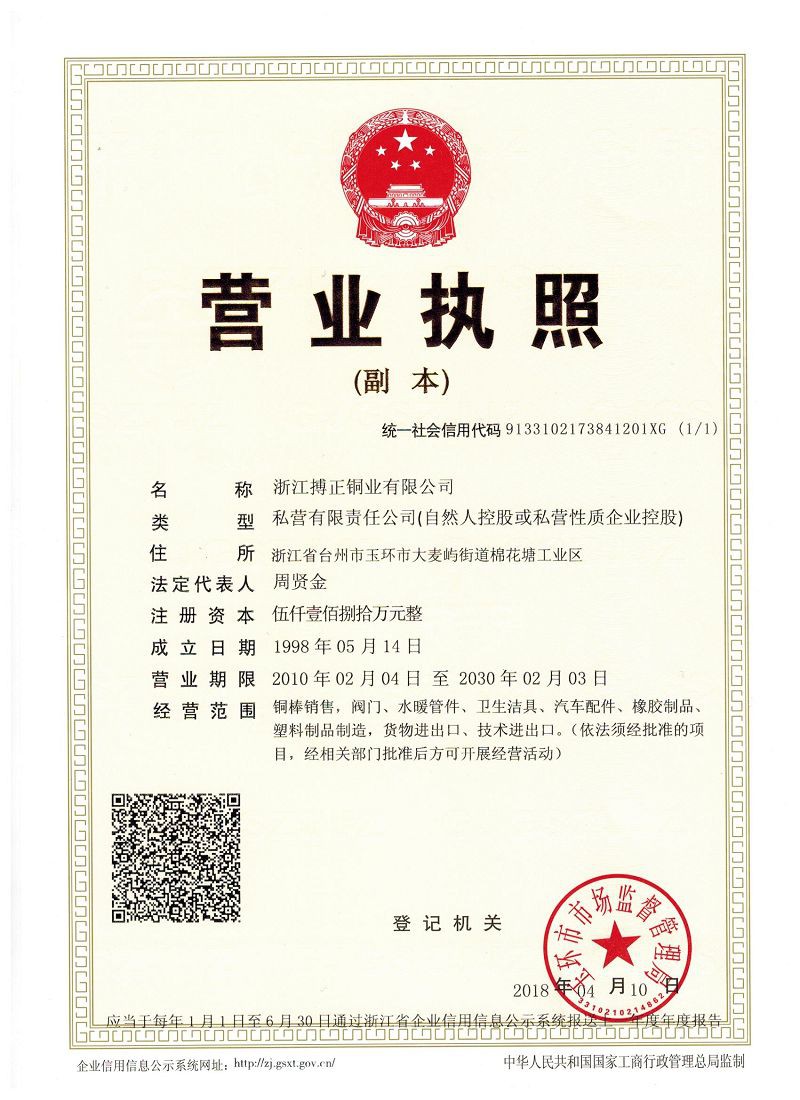
Zhejiang Bozheng Copper Co., Ltd. is located in the "the valve capital of China"-Yuhuan (a city by the East China Sea in the Yangtze River Delta economic circle). Founded in 1998, the company is a comprehensive enterprise integrating research and development, design, manufacturing, sales and service.
After decades of exploration and development, "Bozheng" has become a high-quality brand in the domestic valve industry. We will continue to provide advanced and stable products and perfect sales services for domestic and foreign users, and strive to serve as a healthy and safe shield to create a safe living environment for each home.
In the course of nearly 20 years of innovation and development, Bozheng people have been adhering to the qualities of fairness, stability, and keeping promises. We increased the investment in hardware and software and built a set of mature and competitive product structures. Our products are widely used in construction, plumbing, gas, chemical, petroleum, electric power and many other industries. With reliable quality, complete varieties, safety and convenience, long service life and other characteristics, the products have won praise and affirmation from the majority of dealers and users alike.

Certificate




FAQ
As one of the most professional ball valve manufacturers and suppliers in China, we're featured by quality products and competitive price. Please rest assured to wholesale discount ball valve for sale here from our factory. Contact us for customized service.
ball brass valve, ball valve