


What is Gate Valve
A gate valve is a control valve that either allows media to flow through unobstructed or stops the fluid flow. The main advantage of a gate valve is the straight-through unobstructed passageway, which induces minimal pressure loss over the valve. The unobstructed bore of a gate valve also allows for a pig's passage in cleaning pipe procedures, unlike butterfly valves. However, gate valves are slower than quarter-turn valves and should only be used in the fully open or closed position, not to regulate the flow. Automated gate valves exist with either an electric or pneumatic actuator, but a manual gate valve is cost-effective since gate valves are typically used infrequently. Gate valves are also commonly referred to as sluice gate valves.
Why Choose Us
Years Of Brand History
Our company was founded in 1998 and is now a comprehensive valve enterprise that integrates research and development, manufacturing, sales, and other related services.
Patent Certifications (Item)
Rich Experience in Valve Industry;ISO9001 Quality Management System Certification.
Currently Employed By The Company
Our company continuously introduces advanced technicians and professional equipments, automated lathe equipments, high precision CNC machine tools to enhance production capacity, increase efficiency, improve production stability and reduce labour expenses.
Cooperative Clients (Home)
Our products are widely used in many other industries such as construction, plumbing, gas, chemical, petroleum, and electricity, winning widespread praise and recognition from distributors and users alike for their reliable quality, complete variety, safety, convenience, and long service life.
-
![Bend Fittings]() Bend FittingsBy choosing our gas valve connections, you’re investing in quality and innovation. We continuously improve our manufacturing processes, utilizing the latest advancements in metallurgy and technologyread more
Bend FittingsBy choosing our gas valve connections, you’re investing in quality and innovation. We continuously improve our manufacturing processes, utilizing the latest advancements in metallurgy and technologyread more -
![Brass Receiver]() Brass ReceiverHigh Durability: Made from premium-grade brass and other corrosion-resistant materials, our gas valve connections are built to withstand harsh conditions and extended use without compromising onread more
Brass ReceiverHigh Durability: Made from premium-grade brass and other corrosion-resistant materials, our gas valve connections are built to withstand harsh conditions and extended use without compromising onread more -
![OEM/ODM Heavy Dute Brass Gate Valve]() OEM/ODM Heavy Dute Brass Gate ValvePartner with us to benefit from our expertise in manufacturing and customizing OEM/ODM Heavy-Duty Brass Gate Valves. With superior materials, advanced fluid control capabilities, and extensiveread more
OEM/ODM Heavy Dute Brass Gate ValvePartner with us to benefit from our expertise in manufacturing and customizing OEM/ODM Heavy-Duty Brass Gate Valves. With superior materials, advanced fluid control capabilities, and extensiveread more -
![Engineering Gate Valve]() Engineering Gate ValveDurable Brass Construction: Crafted from high-quality brass, our engineering gate valves boast exceptional durability and longevity, ensuring reliable performance even in the most challengingread more
Engineering Gate ValveDurable Brass Construction: Crafted from high-quality brass, our engineering gate valves boast exceptional durability and longevity, ensuring reliable performance even in the most challengingread more -
![DN15 Gate Valve]() DN15 Gate ValveDurable Construction: Made from high-quality brass (HPb59-1) with a lead content of less than 1.9, our gate valves withstand high pressure and temperature conditions, ensuring long-term performance..read more
DN15 Gate ValveDurable Construction: Made from high-quality brass (HPb59-1) with a lead content of less than 1.9, our gate valves withstand high pressure and temperature conditions, ensuring long-term performance..read more -
![Brass Full Port Gate Valve]() Brass Full Port Gate ValveDurable Brass Construction: Constructed from high-quality brass, our full port gate valve is built to withstand the rigors of demanding environments. The brass construction provides superior strengthread more
Brass Full Port Gate ValveDurable Brass Construction: Constructed from high-quality brass, our full port gate valve is built to withstand the rigors of demanding environments. The brass construction provides superior strengthread more -
![Brass Lock Gate Valve]() Brass Lock Gate ValveEnhance the security and efficiency of your fluid management systems with our premium Brass Lock Gate Valve. Expertly crafted for superior performance, this valve offers precise flow control, robustread more
Brass Lock Gate ValveEnhance the security and efficiency of your fluid management systems with our premium Brass Lock Gate Valve. Expertly crafted for superior performance, this valve offers precise flow control, robustread more -
![Brass Anti-interference Gate Valve]() Brass Anti-interference Gate ValveUpgrade your fluid control systems with our state-of-the-art Brass Anti-Interference Locking Gate Valve, meticulously engineered to provide unmatched security, reliability, and performance. As aread more
Brass Anti-interference Gate ValveUpgrade your fluid control systems with our state-of-the-art Brass Anti-Interference Locking Gate Valve, meticulously engineered to provide unmatched security, reliability, and performance. As aread more -
![Brass Vertical Check Gate Valve]() Brass Vertical Check Gate ValveElevate your fluid management systems with our top-of-the-line Brass Expansion Gate Valve, expertly engineered to provide superior performance, reliability, and versatility. Designed for precise flowread more
Brass Vertical Check Gate ValveElevate your fluid management systems with our top-of-the-line Brass Expansion Gate Valve, expertly engineered to provide superior performance, reliability, and versatility. Designed for precise flowread more


Advantages of Gate Valves
Full bore: Gate valves provide a complete, unobstructed flow path when fully open. This means that there is minimal pressure drop across the valve, resulting in efficient fluid flow.
Good flow control: Although gate valves are primarily used for on-off service, they can also be used for throttling or flow control in some applications. However, they are not as well suited for this purpose as globe valves or control valves.
Durable: Gate valves are usually made of rugged materials such as cast iron, steel or bronze, making them suitable for a wide range of applications, including those involving high pressure and/or high temperature fluids.
Easy to maintain: Gate valves are relatively easy to maintain and repair. Their design allows easy access to the internal components so that they can be repaired or replaced without removing the valve from the pipeline.
Versatile: Gate valves can be used in a variety of industries and applications, including water supply systems, oil and gas pipelines, chemical processing plants and power generation facilities.
Long service life: If properly installed and maintained, gate valves can have a long service life and can be used for many years without replacement.
Gate Valve Operation
A gate valve operates similar to other valves. To open the valve, turn the handwheel (A), which moves the gate (G) up or down on the stem (B) via the threads. A gate valve requires more than one 360° turn to open or close the valve fully. When the gate is lifted up, it opens the inlet to the outlet allowing an unobstructed passageway for the media to flow. When the gate is lowered, it closes and blocks the media flow.
The relationship between the gate's vertical travel and the flow rate is nonlinear for a gate valve, with the greatest changes occurring near-complete closure. When used to regulate flow, the relatively high velocity of the flow at partial opening results in gate and seat wear, which along with possible vibrations of the gate, shortens the valve's service life. Therefore, a gate valve should only be used for on/off control.
Gate Valve Actuation Method
There are three main types of gate valve actuation methods:
1. Manual gate valve: A manual gate valve has a manually spun handwheel to open or close the valve, as shown in Figure 3. This requires a user on-site to spin the wheel. A manual gate valve is the most economical, especially since the usage of gate valves once installed is typically low.
2. Pneumatic gate valve: A pneumatic gate valve uses a pneumatic actuator instead of a handwheel. By utilizing compressed air, the actuator can spin the stem to raise or lower the gate. This allows it to be operated remotely with no user on-site but requires a pneumatic system on site.
3. Electric gate valve: An electric gate valve uses an electric motor instead of a handwheel. By utilizing electrical power, the actuator spins the stem to raise or lower the gate. This allows it to be operated remotely with no user on-site but requires electrical power on-site. These are also referred to as motorized gate valves.

Gate Valve Types
1. Knife gate valve
A knife gate valve is used for thick fluids and dry bulk solids. The gate is only one piece of metal, which is typically pointed like a knife. These valves are self-cleaning as they pass the seat rings every time they open and close.
2. Wedge gate valve
A wedge gate valve has a gate in the shape of a wedge that sits on two inclined seats, as seen in Figure 4 Labeled A. In addition to the primary force created by fluid pressure, a high wedging force on the seats created by the stems tightening assists with the sealing. The wedge-shaped gate does not stick to the seat in case of high fluid differential pressure and has an increased service life due to less "rubbing" on the seats. However, wedge-shaped gate valves have an additional compression load on the seats that may result in thermal binding and restricted valve opening due to expansion.
3. Parallel slide gate valve
A parallel slide gate valve has a flat gate and seats parallel to it. Parallel slide gate valves use line pressure and positioning to make a tight seal. Flat gates consist of two pieces and have a spring in the middle. The spring pushes the pieces towards the seats for enhanced sealing. Due to their inherent design, parallel gate valves have a safety advantage in higher temperature applications. Furthermore, since there is no wedging action in parallel gates, closing torques are comparatively smaller, resulting in smaller, less expensive actuators or less manual effort. Due to their sliding into position, parallel gates keep dirt away from the seating surfaces.
4. Slab gate valves
Slab gates, also called through-conduit gate valves, are one-unit gates that include a bore-size hole. The bore is in line with the two-seat rings in the open state. This alignment creates a smooth flow with minimal turbulence. This unique design allows for minimal pressure loss in the system and is perfect for the transportation of crude oil and natural gas liquids (NGLs). The valve seats remain clean. However, the disc cavity can capture foreign material. Therefore, the cavity typically has a built-in plug for maintenance purposes of draining the accumulated foreign material.
5. Parallel expanding gates
Expanding gate valves have two slab gates matched together that provide sealing through the mechanical expansion of the gate, as seen in Figure 5. When lifted, both of the slab gate's cavities allow the media to flow. The upward force on one slab and the stoppage of the second slab, by a step in the valve body, allows for outward mechanical expansion for a proper seal. When closed, the slab gates block the media flow, and the downward force (stem) on one slab and upward force (step in valve body) allows for outward mechanical expansion for a proper seal.
Gate Valve Working Principle
Gate valves are normally operated by a handwheel, a valve T-key (wrench) or an actuator. The wheel is attached to a valve stem and transfers rotational energy to it. During the gate valve opening, the rotation of the handwheel turns the threads of the gate stem into the gate and vice versa for closing. This energy moves the gate valve wedge downwards or upwards. In underground gate valve installations, an extension spindle is attached, which allows operation without direct access to the valve itself.
Generally, gate valves are installed in the areas of a pipeline where they will longer remain open or closed, as they generally require sometime to switch between these two positions. However, when the valve needs to be operated quite often or even remotely, motorised gate valves are used (i.e. equipped with an electric actuator).

In rising stem gate valves, the stem position tells whether a gate valve is open (outside of the valve body) or closed. In non-rising stem gate valves, it is not easy to determine if the gate valve is fully open, closed or somewhere in between at first sight. A marker of the closing direction (cc for clockwise closing, acc for anti-clockwise closing) can be helpful to determine the position of the wedge. A position indicator is a special device, which is mounted on the gate valve stem and helps a user quickly determine a position of the gate valve.
Most of the gate valves close by a clockwise direction, however, in some countries, utilities use anti-clockwise closing gate valves. Hawle produces both versions of gate valves, which allows to meet local standards of such countries as Australia or New Zealand.
What Components Does a Gate Valve Consist of?
1. Body
This is the main pressure-retaining part of the valve and contains other operational parts such as the gate and seat. Moreover, it provides passage to flow from the valve and is connected to the piping on both ends. A variety of connections including threaded, flange, butt weld, compression fitting, and tube fitting can serve in connecting the body to the piping. Selecting the best connection type is key and is determined by client’s specifications, valve size, and operating pressure.
2. Bonnet
The bonnet provides another pressure-retaining part that encloses and protects a gate valve’s stem and wedge. Generally, connects and disconnects from the body to provide access for the repair or maintenance of internal components. Common body-bonnet connections include:
• Screwed Bonnet: This simple body-bonnet connection offers quick access into the valve. However, they are limited to small size gate valves and low-pressure applications. When used in these applications, screwed bonnets can deliver a long-lasting, leak-proof seal and easy disassembly.
• Union Bonnet: In this design, a union nut rests on the lower edge of the bonnet, and screws into the threads of the valve body. As a result, it prevents the leak-proof seal from deteriorating over time. This more robust connection provides a better option than the screwed bonnet when operators require frequent bonnet removal.
• Bolted Bonnet: As valve sizes get larger and the working pressure increases, using flanges and bolts becomes necessary. This robust connection requires a gasket to seal the body-bonnet joint.
• Welded Bonnet: This option works well for designs where the operator does not require the disassembly of the body bonnet. It offers a much lighter assembly than the bolted bonnet and operates in the same pressure range.
• Pressure Seal Bonnet: A pressure seal bonnet is specifically for high-pressure applications in excess of 1,500 psi (103 bar). It has a unique mechanism where the operation pressure helps to improve the body-bonnet joint seal as the internal pressure increases. Typically, it is used alongside bolts and flanges.
3. Gate
The gate, sometimes referred to as a disc or obturator, moves to either obstruct or allow flow through the valve. There are several types of gate designs and technologies depending on the application’s requirements. Design types include:
• Wedge gate: This common gate utilizes a wedge-shaped disc, which sits or rises from two inclined seats to obstruct or allow flow respectively. It is ideal for applications where there is high flow or turbulence such as steam service.
Because of its shape, frictional seat wear is minimal rubs and thus sticks under high differential pressures. As a result, it lasts longer than most other types of gates. In the case of high temperature, a flexible wedge gate provides a better option than a solid gate and prevents thermal locking as well.
• Slab gate: The slab gate provides a through-conduit gate and derives its name from its design. It is a single-piece gate containing a bore-size hole that aligns to the pipe bore when in the open position.
As a result, it provides a smooth turbulence-free flow, making it ideal for systems that require minimum pressure loss. Although the valve seat often remains debris free, the disc cavity is prone to catching foreign materials. Thus, slab gates usually include a plug to remove these materials during maintenance.
• Knife gate: Whenever flow contains plastic solids and high-viscosity slurries such as paper pulp, a knife gate provide an effective option. The knife gate enables it to cut through these materials and stop the flow.
• Parallel Slide gate: The parallel slide gate works well in high-pressure and temperature applications in which with their internal springs feature located between both discs, helps the disc to be in contact with the seat rings and prevent thermal expansion.
4. Seat
A gate valve has two seats that interface with the gate to ensure the sealing of the valve. These seats come either as part of the body or in a seat ring construction. When the seat is part of the body, then they are both made of the same material. Whereas in a ring construction, the seats threads or presses into position before welding onto the valve body. This method allows for more variation than in integral seats, and provides the preferred method in high-temperature applications.
5. Stem
The stem’s forged shaft transfers motion from the actuator to the gate when closing or opening the valve. A gate valve uses either a rising or non-rising stem.
• Rising stem: A rising stem connects directly to the gate and rises when opening the valve, and lowers when the valve is closing. As a result, they contain built-in visual indicators and are easy to lubricate due to their exposed threading.
However, they contact the flow medium, increasing threading corrosion and debris carryover risk. Also, due to the motion of the stem, they are not suitable for use with bevel gears or automatic actuation.
• Non-rising stem: For a non-rising stem, the disc threads internally to the stem, so it moves up and down the stem for opening and closing. This makes it ideal for applications with space limitations, automatic actuation, and corrosive media.
Installation of Gate Valve
Valves can be installed in any orientation however it is best if it can be installed upright especially in bigger sizes for ease of hand wheel access.
Verify the material of the gate valve, seat and disc before installation. Ensure that there are no defects caused by storage or transportation.
Complete all welding works before valve installation and be sure the flange has cooled to ambient temperature before installing the gate valve using the appropriate gasket.
Make sure there is no welding residue, waste, rust, pickle paste or other debris in the pipe before installation. Wash with water or a mild detergent if needed.
Make sure there is no warpage of the flange or misalignment of the gate valve in relation to the flange. This is the most common cause of valve problems where it is not aligned with the flange/pipe correctly. Support the valve where necessary to reduce load on the piping assembly.
Install the spacing bolts taking care not to damage the valve seat and adjust the face to face of the two flanges so there is space when the piping is spread open (enough space to slip the valve in or out for service).
Once the pipes are centered, insert the bolts so that the bottom of the valve can rest upon them to prevent the valve from falling through.
Tighten the bolts one at a time doing it in stages so even pressure is applied and a seal is formed between the valve, gasket and flanges.
Once the installatiion is complete, operate the valve several times to ensure it has not moved during installation.
Maintenanceof Gate Valve
• Cycle the valve at least once a month if not used regularly.
• Relieve the system pressure before performing any maintenance.
• To remove from pipework reverse the installation sequence (above).
• Replace valve gate by removing the top body (bonnet) and stem. Screw out the gate and replace with new part. Install top of body and refit into line.
• See video link under each gate valve model for further instructions.
Our Factory
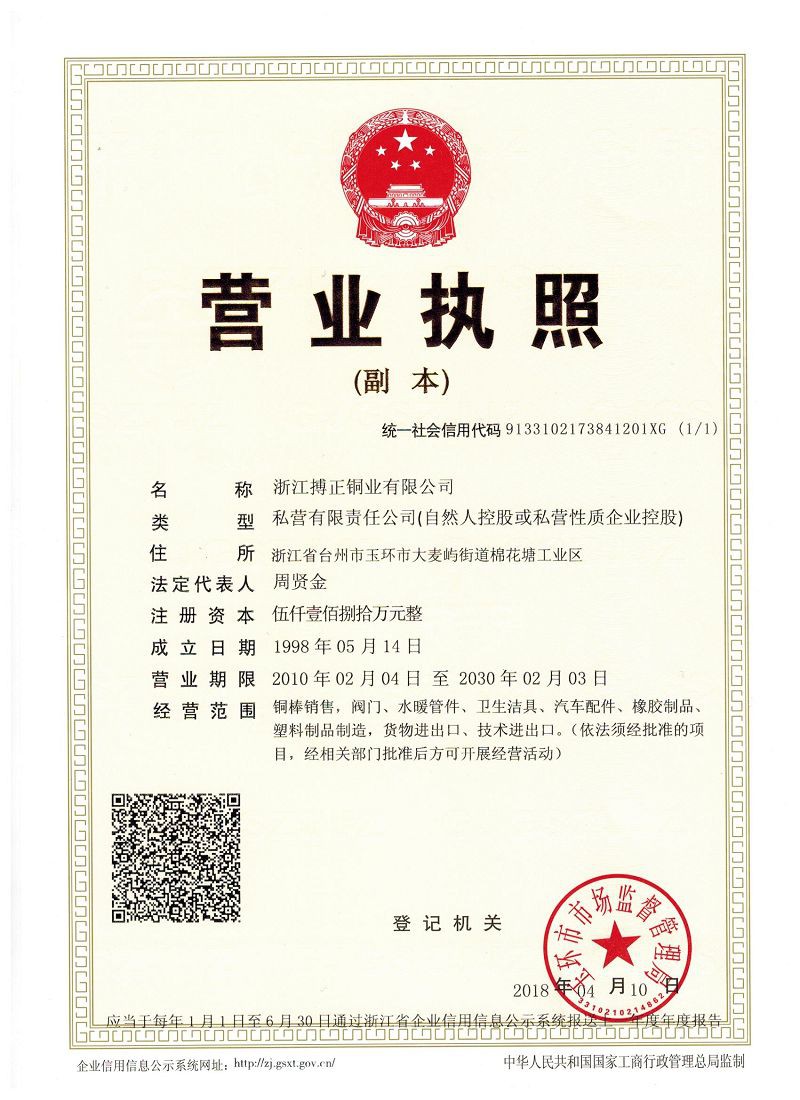
Zhejiang Bozheng Copper Co., Ltd. is located in the "the valve capital of China"-Yuhuan (a city by the East China Sea in the Yangtze River Delta economic circle). Founded in 1998, the company is a comprehensive enterprise integrating research and development, design, manufacturing, sales and service.
After decades of exploration and development, "Bozheng" has become a high-quality brand in the domestic valve industry. We will continue to provide advanced and stable products and perfect sales services for domestic and foreign users, and strive to serve as a healthy and safe shield to create a safe living environment for each home.
In the course of nearly 20 years of innovation and development, Bozheng people have been adhering to the qualities of fairness, stability, and keeping promises. We increased the investment in hardware and software and built a set of mature and competitive product structures. Our products are widely used in construction, plumbing, gas, chemical, petroleum, electric power and many other industries. With reliable quality, complete varieties, safety and convenience, long service life and other characteristics, the products have won praise and affirmation from the majority of dealers and users alike.

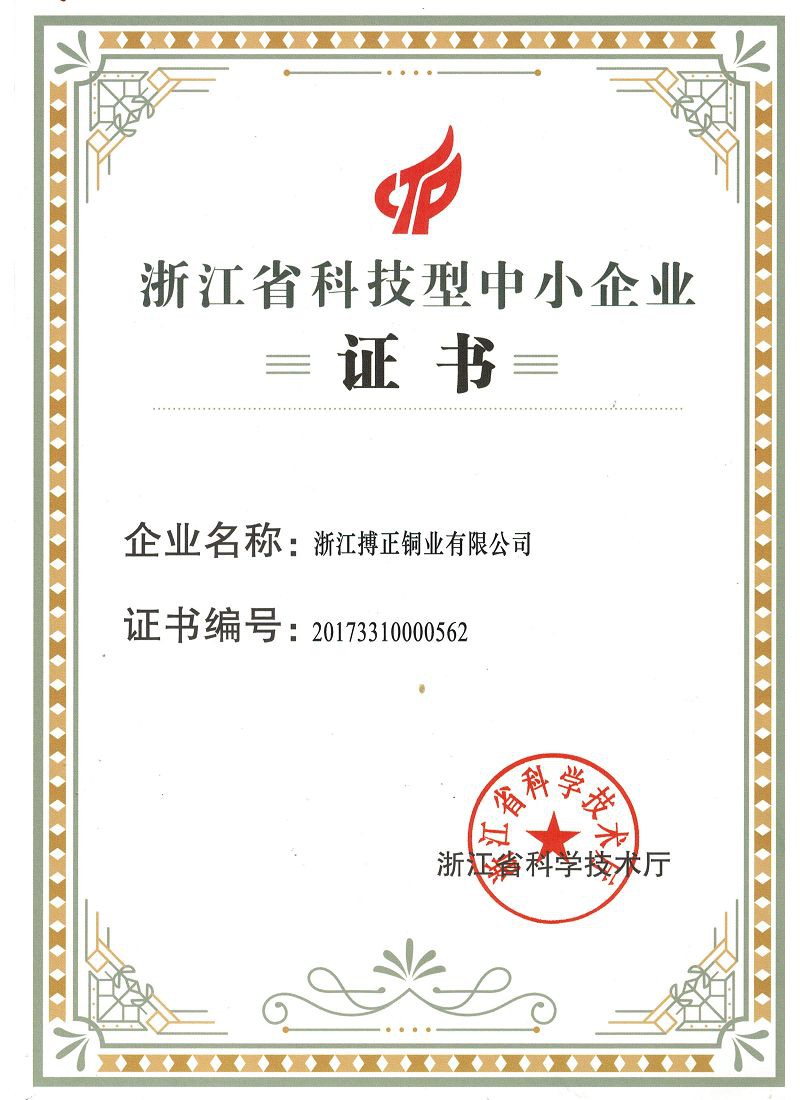
Certificate




FAQ
As one of the most professional gate valve manufacturers and suppliers in China, we're featured by quality products and competitive price. Please rest assured to wholesale discount gate valve for sale here from our factory. Contact us for customized service.
engineering gate valve, gate valve, needle valve