


What is Control Valve
A control valve regulates the rate of fluid flow as the position of the valve plug or disk is changed by an actuator. Control valves are used to maintain a process variable as close as possible to the desired set point. Controller set points are typically flow rate, pressure, and temperature. Product parameters, such as density, concentration, liquid level and others can also be controlled with control valves.
A control valve installation consists of a valve body, actuator, positioner, and accessories. The body includes a bonnet assembly and trim parts. Its design withstands fluid static pressure and differential pressure, allows fluid flow, provides pipe-connecting ends, and supports seating surfaces and a valve closure member. Actuators are pneumatic, hydraulic, or electrically powered devices that provide the force to open and close the valve. Positioners monitor and control true actuator movement to maintain a desired set-point. Accessories include electro-pneumatic transducers, pressure regulators, hand wheels, position indicators, and limit switches.
Why Choose Us
Years Of Brand History
Our company was founded in 1998 and is now a comprehensive valve enterprise that integrates research and development, manufacturing, sales, and other related services.
Patent Certifications (Item)
Rich Experience in Valve Industry;ISO9001 Quality Management System Certification.
Currently Employed By The Company
Our company continuously introduces advanced technicians and professional equipments, automated lathe equipments, high precision CNC machine tools to enhance production capacity, increase efficiency, improve production stability and reduce labour expenses.
Cooperative Clients (Home)
Our products are widely used in many other industries such as construction, plumbing, gas, chemical, petroleum, and electricity, winning widespread praise and recognition from distributors and users alike for their reliable quality, complete variety, safety, convenience, and long service life.
-
![Locking Control Valve]() Locking Control ValveUpgrade your water tank system with our innovative valve, engineered to provide secure and precise control over water flow. Designed for residential, commercial, and industrial applications, thisread more
Locking Control ValveUpgrade your water tank system with our innovative valve, engineered to provide secure and precise control over water flow. Designed for residential, commercial, and industrial applications, thisread more -
![Brass Heating Manual Control Valve]() Brass Heating Manual Control ValveOur Brass Heating Manual Control Valves provide meticulous control over your heating systems, allowing you to fine-tune the temperature to your exact specifications. This ensures a comfortableread more
Brass Heating Manual Control ValveOur Brass Heating Manual Control Valves provide meticulous control over your heating systems, allowing you to fine-tune the temperature to your exact specifications. This ensures a comfortableread more


Advantages of Control Valve
Automatic operation: One of the most important benefits offered by a control valve is that it controls the opening and closing process of a fluid automatically. Thus, the users don’t have to be careful about closing or opening the valves manually, when these types of valves are employed.
Easy installation: Another great advantage of control valves is that they are absolutely easy to install. Many people can effortlessly install these valves on their faucets without having to call for assistance from a plumber or from the manufacturer. Thus, being easy to install, they help in saving the time and effort of the users.
Reduced wastage: Due to the automatic operations of these valves, there is a great reduction in the wastage of resources. No matter whether these are being used in industrial or manufacturing processes, or at homes, they will ensure less wastage of resources, thanks to their efficient working.
In fact, these valves are extremely helpful in saving water. Studies have revealed that control valves can lead to water savings of up to 85 percent. Thus, they are helpful in meeting the rising demand for water, by reducing the wastage of this precious resource.
No clogging: Another great benefit of flow control valves is that they do not obstruct the flow of the fluid. Small particles, deposits, dust, etc. do not clog the flow of the fluid due to the perfect design of these valves.
Help to be ecologically friendly: Businesses are under a constant pressure to meet the global ecological standards. With the usage of these valves, they can become ecologically friendly by reducing the wastage of natural resources and by ensuring their judicious use.
Increased financial returns: When resources are effectively utilized, the businesses are in a position to experience reduced process variability. This ultimately helps in attaining a strategic advantage, and increasing the financial returns.
Saving money becomes easy: When control valves are used in faucets, they help a lot in water conversation. This means that people can save money on their water and/or sewer bills by using these control valves at their homes, offices, or factories.
How Does a Control Valve Hold Back Pressure?
Here's how a pneumatically actuated High Pressure Control Valve installed on a separator holds back pressure:
Pneumatic Pilot—The signal is provided by a pneumatic pressure pilot. The pilot on this package senses upstream pressure and sends a corresponding signal (typically processed supply gas) through tubing into the actuator of the valve.
Pneumatic Actuator—The actuator reacts to this pilot signal by either closing or opening the valve.
Electric Pilot—In the case of an electrically actuated High Pressure Control Valve installed on a separator to hold back pressure, the signal is provided by an electric pilot (or PLC). The electric pilot receives an analog 4-20mA signal from a sensor, which represents a process condition. The pilot then conditions this signal and sends a corresponding signal (4-20mA loop) to the electric actuator of the valve.
Electric Actuator—The actuator reacts by either opening or closing the valve.
What Are the Important Control Valve Parts?
Bonnet
The bonnet is the top of the valve, which houses the diaphragm and actuator spring.
Spring
The spring holds tension on the stem, keeping the valve in its fail position.
Control Valve Actuator
The control valve actuator receives a pneumatic signal from a pressure pilot or another pneumatic controller and adjusts the valve position accordingly. This actuator can be disassembled and inverted to convert the valve from fail-closed to fail open or visa versa.
Stuffing Box Assembly
The stuffing box assembly houses the valve packing. The valve packing provides a seal that prevents leakage from the stuffing box while allowing the stem to move up and down as needed to open and close the valve.
Yoke and Travel Indicator
The yoke and travel indicator give a visual identification of the valve's position at any given moment.
Stem and Seat
The ball and seat are what block off the flow through the valve. These are vital pieces and also the items most susceptible to wear and tear from contact with abrasive or corrosive production.
To “control” the liquid or gas, a control valve can open or close fully (on/off), or slightly (modulating).
Modulating valves can open or close slightly. They do this in order to change the size of the opening through which the media is flowing. They may also be moved to fully closed or fully open.
However, a valve by itself will not do anything. In order to open or close, the valve actuator must receive a signal from an outside source. This is provided by one of the following:
• Pneumatically actuated control valve: a pneumatic pilot or liquid level controller
• Electrically actuated control valve: an electric pilot, Programmable Logic Controller (PLC), or Remote Terminal Unit (RTU)

Working Principle of Control Valve
Control valves operate based on the principle of fluid pressure, which is used to open or close the valve and control the flow rate. The valve consists of a movable disc or plug, known as the valve trim, which is connected to a stem. When the valve is in the closed position, the trim blocks the flow of fluid or gas. As the stem is rotated or moved linearly, it lifts or lowers the trim to regulate the flow.
The valve body, an essential part of the valve, works in tandem with actuators, which can be electric or pneumatic actuators, to produce linear or rotary motion for valve movement. The actuator receives signals from a control system, which monitors the pressure, temperature, or level of the fluid or gas in the system. Based on these signals, the control system sends instructions to the actuator, which in turn adjusts the position of the valve trim to achieve the desired flow rate.
Control valves are designed to maintain process control, even in the presence of load disturbances or variability. They respond to changes in process variables by adjusting the flow area, ensuring that the desired set point is maintained. For example, if there is an increase in flow rate, the control valve will reduce the flow area to control the flow rate and bring it back to the desired set point. Similarly, if there is a decrease in flow rate, the control valve will increase the flow area to maintain the desired set point.
Application Scenarios of Control Valves
Control valves are widely used in petrochemical, electric power, metallurgy, paper, construction and other fields, its main application scenarios are as follows:
1. Flow control: Control valves by adjusting the spool moving position to change the diameter of the flow path, so as to realize the control of flow.
2. Pressure control: Control valves can be adjusted by adjusting the position of the spool to change the flow of fluid and thus regulate the pressure.
3. Temperature control: Control valves by changing the flow of fluid to change the flow rate, flow direction and flow of the medium, and ultimately realize the temperature control.
Types of Control Valves
1. Globe type control valve
Globe type control valves offer linear motion control, well-suited for throttling applications and high pressure drop capabilities, making them ideal for flow control. These valves are equipped with a valve body, stem, and plug, enabling effective flow regulation due to their robust design, ruggedness, and shutoff performance, making them versatile in various applications. Globe valves excel in controlling flow rates and process variables, proving to be a vital component in numerous industrial processes.
2. Butterfly type control valve
Butterfly valves utilize rotational motion to control flow, ensuring rapid shutoff. Their efficient flow regulation is enabled by the design of the valve stem, body, and disc. These high-performance butterfly valves strike a balance between performance, torque, and flow capabilities in control applications. Well-suited for low-pressure, high-capacity flow control requirements, they are popular due to their compact design, low leakage, and energy efficiency.
3. V-port or segment ball valve
V-Port and segment ball valves deliver precise flow control, ideal for flow rate applications and optimizing process performance. Their design, positioner, and actuator ensure accurate modulation and pressure drop control. These valves are adaptable to diverse control scenarios, offering reliable regulation of process variables. V-Port or segment ball valves are a versatile and essential element in automatic control valves, particularly in industries dealing with chemical compounds. The high performance butterfly valve is among the most common final control elements used in various applications like heaters and fittings in the USA.
4. Eccentric plug control valve
Eccentric plug valves provide exceptional control, especially in demanding conditions. Their plug, body, and actuator components enable precise flow control, offering high flow capacity, resistance to leakage, and effective cavitation control. These valves are suited for applications requiring accurate flow modulation and shutoff. Their robustness, reliability, and adaptability to process variables make them incredibly valuable assets.
5. Reduced trim full ball valve
Versatile and adaptable, reduced trim full ball valves are ideal for high flow capacity applications. Offering accurate flow control and exceptional shutoff performance, these valves also facilitate precise flow modulation and pressure control. Their ball valve design, accessories, and torque characteristics enhance process efficiency, making them a versatile choice for diverse control scenarios. Reduced trim full ball valves are a valuable addition to any system requiring automatic control valves, ensuring reliable and efficient operation.
How to Choose the Right Control Valve?

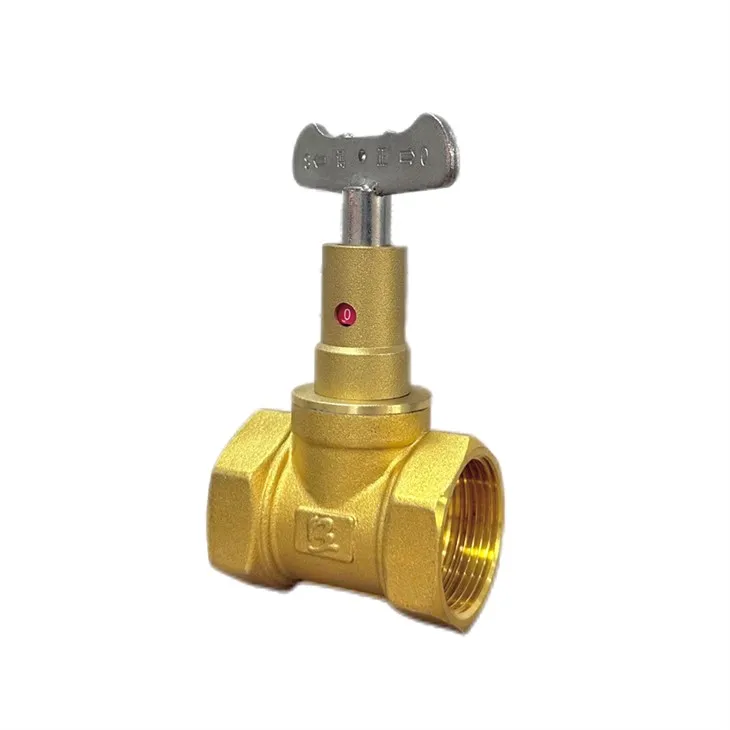
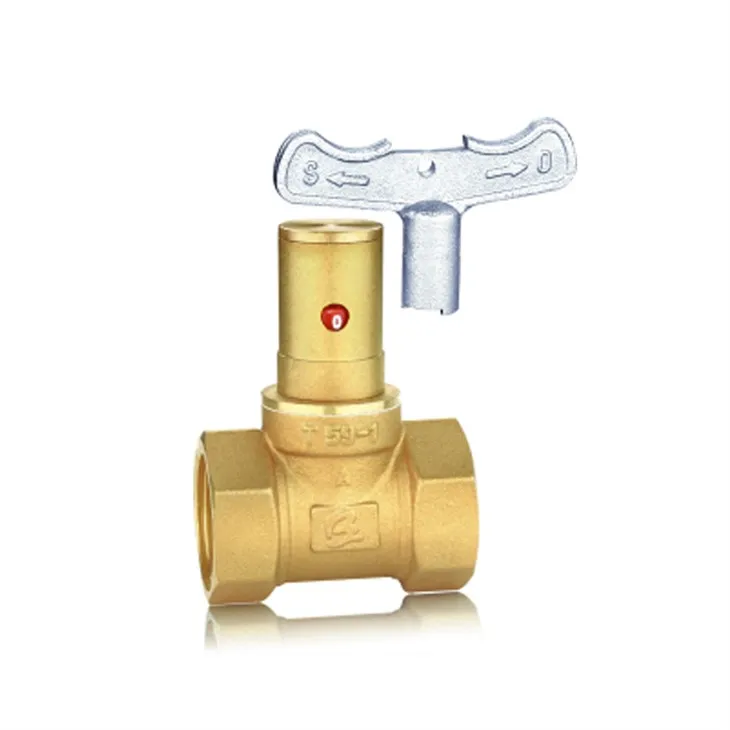
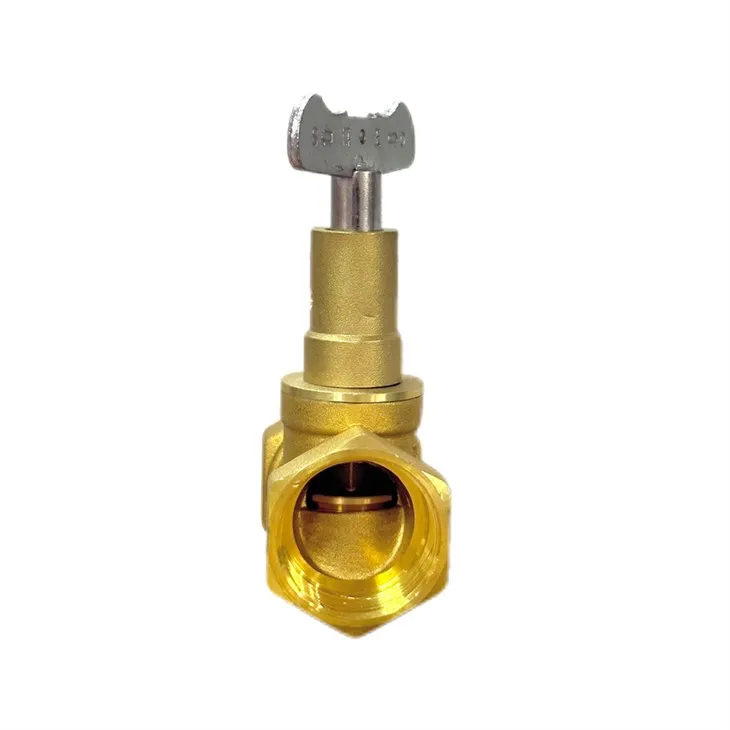
Choosing the right control valve is crucial for ensuring optimal performance and efficiency in various industries. Here are some factors to consider when selecting a control valve:
1. Flow requirements: Determine the desired flow rate and whether it needs to be controlled continuously or in discrete steps. This will help you choose a control valve that can handle the required flow range.
2. Process conditions: Consider the temperature, pressure, and fluid characteristics of your application. Some control valves may be better suited for high-pressure environments, while others may have specific material requirements for certain types of fluids.
3. Control accuracy: Assess how accurately you need to control the flow or process parameters. Some applications require tight control with minimal deviation, while others may allow for more flexibility.
4. Shut off capability: Determine if the control valve needs to have the ability to completely shut off the flow when necessary. Some applications, such as emergency shutdowns or maintenance procedures, may require this feature.
5. Maintenance and reliability: Evaluate the maintenance requirements and reliability of different control valve options. Look for valves that are easy to maintain and have a proven track record of reliability to minimize downtime and ensure smooth operations.
6. Control signal compatibility: Consider the type of control signal utilized in your system, whether it's pneumatic, electric, or hydraulic. Ensure that the control valve you choose is compatible with your system's control signal to ensure seamless integration and operation.
7. Size and compatibility: Take into account the size and compatibility of the control valve with your existing piping system. Ensure that the valve can be easily installed and fits within the available space without causing any interference or restriction in flow.
Our Factory
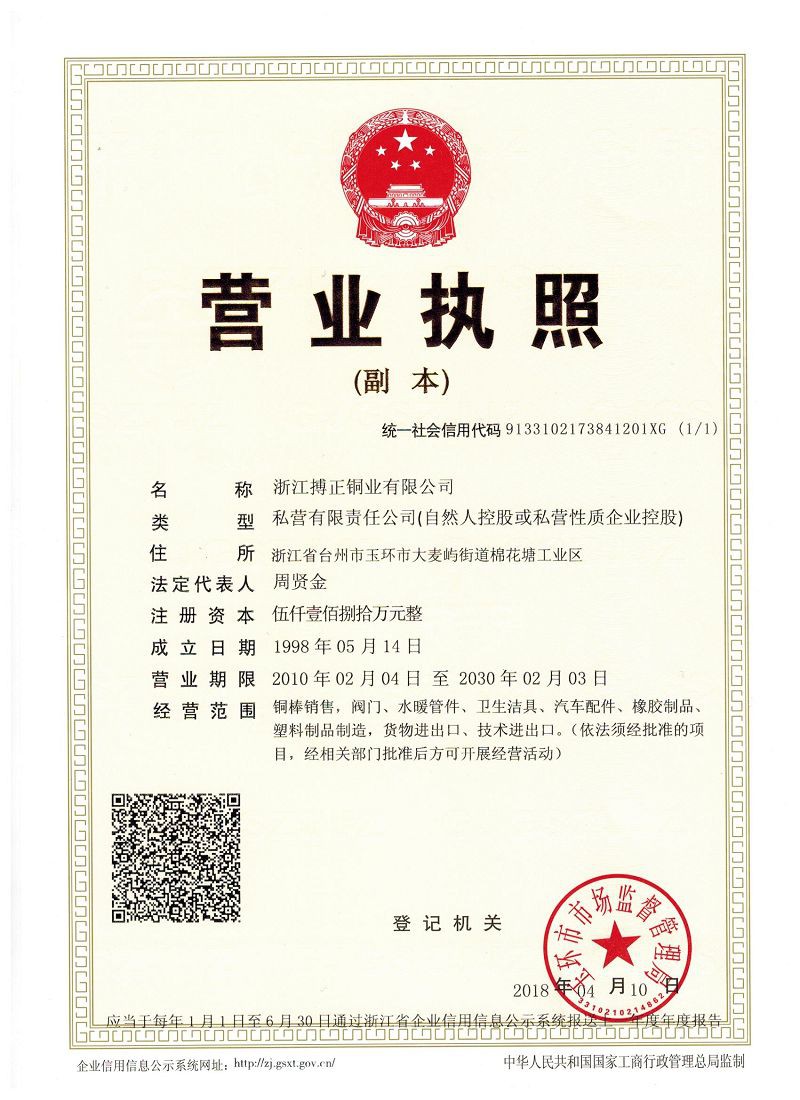
Zhejiang Bozheng Copper Co., Ltd. is located in the "the valve capital of China"-Yuhuan (a city by the East China Sea in the Yangtze River Delta economic circle). Founded in 1998, the company is a comprehensive enterprise integrating research and development, design, manufacturing, sales and service.
After decades of exploration and development, "Bozheng" has become a high-quality brand in the domestic valve industry. We will continue to provide advanced and stable products and perfect sales services for domestic and foreign users, and strive to serve as a healthy and safe shield to create a safe living environment for each home.
In the course of nearly 20 years of innovation and development, Bozheng people have been adhering to the qualities of fairness, stability, and keeping promises. We increased the investment in hardware and software and built a set of mature and competitive product structures. Our products are widely used in construction, plumbing, gas, chemical, petroleum, electric power and many other industries. With reliable quality, complete varieties, safety and convenience, long service life and other characteristics, the products have won praise and affirmation from the majority of dealers and users alike.

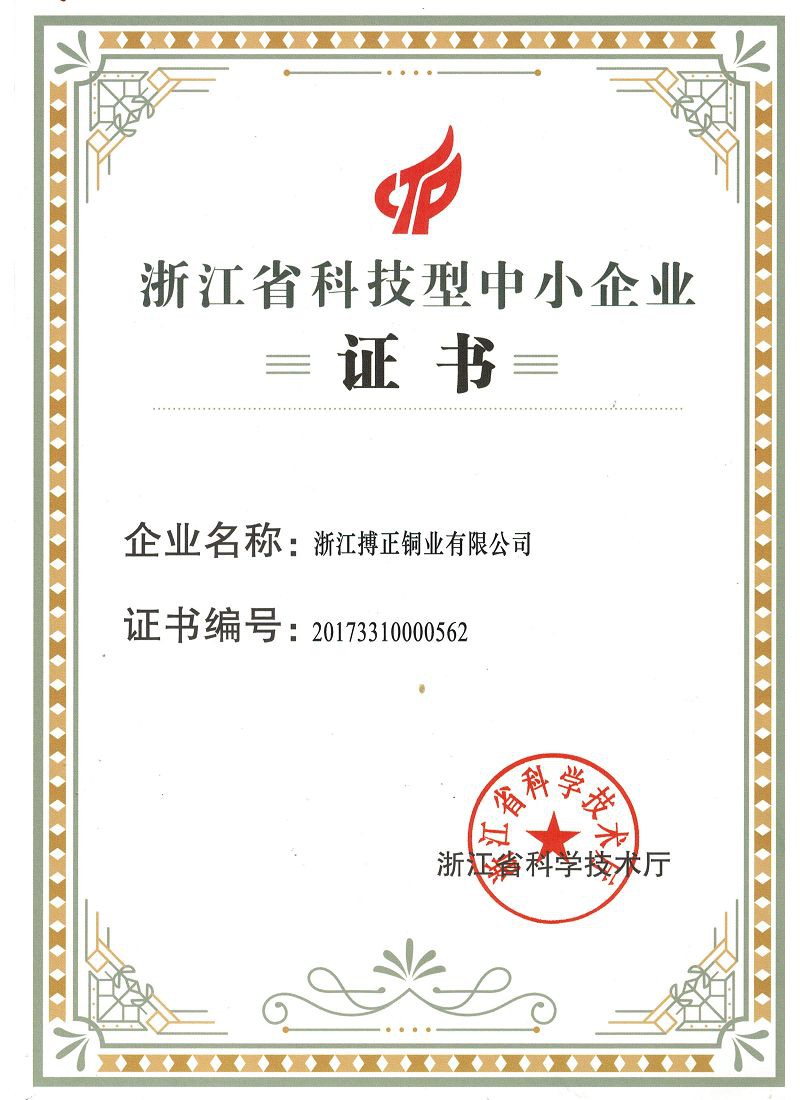
Certificate




FAQ
As one of the most professional control valve manufacturers and suppliers in China, we're featured by quality products and competitive price. Please rest assured to wholesale discount control valve for sale here from our factory. Contact us for customized service.
locking control valve