


What is Pressure Reducing Valve
Pressure-reducing valves decrease the incoming high pressure of water into a lower and safer pressure for your home. They are normally installed on the main water line next to the shut-off valve.As the water flows through the valve, it passes through the diaphragm that is connected to a spring and reduces the pressure to the desired level as the water moves from the valve through the other side.A reducing valve can also be set to any desired downstream pressure within its design limits. Once the valve is set, the reduced pressure will be maintained despite the changes in the supply pressure and system load variations.
Why Choose Us
Years Of Brand History
Our company was founded in 1998 and is now a comprehensive valve enterprise that integrates research and development, manufacturing, sales, and other related services.
Patent Certifications (Item)
Rich Experience in Valve Industry;ISO9001 Quality Management System Certification.
Currently Employed By The Company
Our company continuously introduces advanced technicians and professional equipments, automated lathe equipments, high precision CNC machine tools to enhance production capacity, increase efficiency, improve production stability and reduce labour expenses.
Cooperative Clients (Home)
Our products are widely used in many other industries such as construction, plumbing, gas, chemical, petroleum, and electricity, winning widespread praise and recognition from distributors and users alike for their reliable quality, complete variety, safety, convenience, and long service life.
-
![PPR Pressure Reducing Valve]() PPR Pressure Reducing ValveThe PPR Pressure Reducing Valve is a specialized device designed to regulate and stabilize pressure in PPR piping systems. It protects downstream equipment (e.g., water heaters, washing machines)read more
PPR Pressure Reducing ValveThe PPR Pressure Reducing Valve is a specialized device designed to regulate and stabilize pressure in PPR piping systems. It protects downstream equipment (e.g., water heaters, washing machines)read more -
![New Type Brass Pressure Reducing Valve]() New Type Brass Pressure Reducing ValveWe specialize in manufacturing high-quality Brass Pressure Reducing Valves equipped with a convenient handwheel for precise pressure control. Our valves are designed to regulate water flowread more
New Type Brass Pressure Reducing ValveWe specialize in manufacturing high-quality Brass Pressure Reducing Valves equipped with a convenient handwheel for precise pressure control. Our valves are designed to regulate water flowread more -
![22.OEM/ODM Brass Piston Reducing Valve]() 22.OEM/ODM Brass Piston Reducing ValveAs a leading manufacturer, we specialize in producing and selling high-quality OEM/ODM Brass Piston Reducing Valves, designed for precision pressure control in various applications. Our valves offerread more
22.OEM/ODM Brass Piston Reducing ValveAs a leading manufacturer, we specialize in producing and selling high-quality OEM/ODM Brass Piston Reducing Valves, designed for precision pressure control in various applications. Our valves offerread more -
![Brass Pressure Reducing Valve]() Brass Pressure Reducing ValvePrecise Pressure Control: The Brass Pressure Reducing Valve excels at maintaining stable water pressure in plumbing systems. By keeping pressure levels within safe limits, it helps prevent piperead more
Brass Pressure Reducing ValvePrecise Pressure Control: The Brass Pressure Reducing Valve excels at maintaining stable water pressure in plumbing systems. By keeping pressure levels within safe limits, it helps prevent piperead more -
![Automatic Pressure Reducing Valve]() Automatic Pressure Reducing ValveOur automatic Brass Pressure Reducing Valve is engineered to stabilize water pressure in plumbing systems, ensuring consistent, safe levels. This precise control protects against harmful fluctuationsread more
Automatic Pressure Reducing ValveOur automatic Brass Pressure Reducing Valve is engineered to stabilize water pressure in plumbing systems, ensuring consistent, safe levels. This precise control protects against harmful fluctuationsread more


Benefits of Using a Pressure Reducing Valve
There are several key benefits of using a pressure reducing valve in domestic, industrial or commercial water installations. These include:
• Limiting excessively high water pressure from a mains, tank or boosted supply that could cause damage to plumbing
• Reducing noise such as hammering or slamming during valve and tap shut-offs, or where the supply is feeding appliances with lower pressure ratings (such as showers, washing machines and dishwashers)
• Achieving a more consistent and comfortable flow rate across a wide range of water uses
• Helping to regulate flow between units, floors and outlet points in larger or older buildings (particularly useful in multi-storey buildings with gravity-fed or boosted supplies)
• Providing static pressure control, and thus helping to guard against gradual pressure creep under low demand/no-flow circumstances
• Lowering pressure to reduce overall water consumption (including wastewater). Higher supply pressure means greater water flow, and increased waste in most cases - the majority of domestic and commercial premises do not require very high water pressure to perform normal tasks comfortably
• Reduced energy costs, as heating systems work more efficiently on water at lower pressures. Roughly 30% of the water used in a typical household is heated to some extent; reducing both pressure and flow rate significantly lowers the amount of energy required to do so
How Does A Pressure Reducing Valve Work?
PRVs are located near the shutoff valve on your main water supply line where the water enters your house. A PRV’s main job is to keep the water pressure stable, even when water events change the pressure. For example, fire fighting trucks use a ton of water to fight fires. Because of this, it can affect the water supply levels and sometimes disturb the existing water supply. A pressure reducing valve prevents the water from flowing backwards into your home’s water.
The easiest way to determine if your Pressure Reducing Valve is working correctly would be to locate the arrow on the valve. This arrow indicates the direction of the water flow. This arrow should be pointing from the meter to your home or commercial property.
Another component to check is the material of your PRV. Instead, ensure your valve is made fully of brass. Many home builders use lower-quality valves; PRVs with plastic caps will often not even last a year. Finally, the reason many PRVs fail is that they are located in the ground which can be very corrosive.
How to Adjust Pressure Reducing Valve
The 9 steps needed to improve your pressure from the PRV:
1. Find the water pressure regulator on your supply line. It should look like a large brass bell sitting on more brass piping.
2. Check out the specifications on the water pressure regulator. Is it made for 50 psi? 70 psi?
3. Attach a water pressure gauge to an outdoor faucet. These are readily available online or in hardware stores.
4. Loosen the locknut with a wrench. This will be the gray nut on top of the unit.
5. Turn the bolt clockwise to increase the pressure. Pressure less than 40 psi should be turned up.
6. Turn the bolt counterclockwise to reduce the pressure. Your home’s psi should never be more than 60-65 psi
7. Check the water pressure gauge again. This is crucial to making sure the adjustment works correctly.
8. Tighten the locknut to secure the water pressure regulator. Careful not to overtighten and strip the bolt.
9. Call a professional if your water pressure doesn’t change.
Reliant plumbing replaces PRV’s all the time! Rely on a trusted local plumber like Reliant Plumbing the next time you need help with a PRV.

4 warning signs that it is time to replace your Pressure Reducing Valve
Changing Water Pressure
You may notice that as you take a shower or do your dishes there will initially be high water pressure, but then it drops off starkly.
01
Hammering Pipes
If your pipes are extremely noisy and make hammering sounds while your water is on, the water pressure is too high for your infrastructure to handle.
02
Leakage
Do you notice water around your water meter? There may be an issue with your PRV.
03
Bolt Issues
If you adjust the pressure using your Pressure Reducing Valve and the bolt on the valve breaks, it’s time to replace it.
04
Why Do You Need a Pressure Reducing Valve?


1. Pressure-reducing values can protect your pipes and keep your plumbing fittings from bursting.
A pressure-reducing valve protects your pipe and your plumbing fitting from bursting due to high water pressure.
High water pressure can put stress on your pipes, causing them to break or damage the plumbing fitting leading to leaks.
2. It can help you conserve water and save money on utility bills
Water pressure-reducing valves save water, as less pressure it gives, it reduces wastewater treatment load and further protects the environment. It also helps in saving energy!
When water is flowing at a lower pressure, it means less energy is needed to be used to heat water. Ultimately, it can also help you save money on plumbing maintenance since it reduces the issues with your plumbing system caused by the high pressure of water.
3. It extends the lifespan of your fixtures and appliances
Every plumbing-related fixture and appliance in your home was made to handle water pressure of typically between 50-80 psi. But, your municipal water line could be pumping water to your home as high as 150 psi!
This difference means that a high level of stress is put on your plumbing system. Eventually leading to frequent repairs and costly replacement of parts. Your fixtures will last longer if your home maintains appropriate water pressure.
Cleaning
In the use of pressure reducing valves, impurities and deposits will be generated, long-term non-cleaning will affect the stability and normal operation of the pressure reducing valve, and even lead to pressure reducing valve failure. Therefore, regular cleaning of the pressure reducing valve is necessary. When cleaning, it is necessary to disassemble the pressure reducing valve firstly, remove the internal dirt and impurities, and then assemble it again.
Replacement of parts
As the use of pressure reducing valves grows and wears out, the service life of its parts will gradually decrease. In order to ensure the normal operation of the pressure reducing valve, some parts need to be replaced. Common parts that need to be replaced include springs, seals, spools, connecting rods, and so on.
Regular inspection
In order to ensure the normal operation of the pressure reducing valve and prevent the occurrence of malfunctions, it is necessary to carry out regular inspections. The inspection includes the appearance of the pressure reducing valve, the connection, the opening and closing of the valve and the wear and tear inside the valve. In general, it is recommended to conduct a comprehensive inspection of the pressure reducing valve every six months.
Maintenance
Maintenance of pressure reducing valves includes lubrication, adjustment and calibration. For the parts that need to be lubricated, appropriate lubricants should be selected for refilling to avoid the use of improper lubricants to cause wear and tear of parts or to prevent sticking. Adjustment and calibration criteria need to be carried out using specialized tools and equipment to ensure the accuracy of the pressure reducing valve.
Proper Installation of Pressure Reducing Valves
The pressure reducing valve is supplied with adjustable spring, which can be installed according to the required outlet pressure.
Check whether the parts of the whole machine are defective and loose, the use of media harmful to human health, must be carried out strength, sealing. Seal. Leakage and accuracy test.
Before installation, clean the pipeline to prevent welding slag, oxidized skin and other dirt into the valve. Oxidized skin and other dirt into the valve, affecting the normal operation of the valve.
The valve inlet should have enough straight pipe section with filter. The flange connection between valve body and pipeline should pay attention to the coaxiality.
The installation site should take into account the safety of personnel and equipment, even if the operation, but also conducive to disassembly and maintenance.
The valve should be installed horizontally on the pipeline and should not be tilted.
The medium flow direction should be consistent with the arrow on the valve body, do not install the reverse.
The valves should be used in ambient temperatures of -29℃~+180℃ according to different seals.
When installing and using the pressure reducing valve, turn the adjusting screw slowly in the clockwise direction and adjust the outlet pressure to the required pressure (subject to the gauge pressure after the valve), and then lock the nut after adjustment.
In order to enable continuous production when the automatic control system fails or the valve is overhauled, a bypass valve should be installed.
A filter should be installed before the pressure reducing valve to prevent impurities in the medium from entering the pressure reducing valve and affecting its performance.
Classification of Pressure Reducing Valves
Proportional pressure reducing valve
Proportional pressure reducing valve is a kind of pressure reducing valve that can adjust the valve opening degree according to the input voltage signal, so as to realize automatic adjustment of the difference between the inlet pressure and outlet pressure. It is usually used in high-precision hydraulic control systems to ensure system stability and operational accuracy.
Electronic pressure reducing valve
Electronic pressure reducing valve is a kind of pressure reducing valve can be adjusted through the electronic controller to adjust the opening time of the pressure reducing valve and the flow size of the imported medium. It is usually used in high-speed machinery and equipment to ensure the efficient operation of the equipment and power consumption control.
Limited flow type pressure reducing valve
Limited flow type pressure reducing valve is a kind of pressure reducing valve that can limit the maximum flow of medium to achieve the purpose of pressure reduction. It is usually used in high-flow occasions or systems with multiple working media to ensure system safety and fluid control.
Working Principle of Pressure Reducing Valves
The working principle of the pressure reducing valve is mainly through the adjustment, the inlet pressure to a certain need for the outlet pressure, and rely on the medium's own energy, so that the outlet pressure is automatically maintained at a stable level. From the point of view of fluid dynamics, pressure reducing valve is a local resistance can change the throttling element, that is, by changing the throttling area, so that the flow rate and the kinetic energy of the fluid to change, resulting in different pressure losses, so as to achieve the purpose of pressure reduction. Then it relies on the regulation of the control and regulation system to balance the fluctuation of the pressure behind the valve with the spring force, so that the pressure behind the valve remains constant within a certain error range. Types of pressure reducing valves include diaphragm type, internal spring piston type, etc. Its standard is JB/T2203-1999. pressure reducing valves are widely used in life, fire and other industrial fluid control systems.
The working principle of steam pressure reducing valves is similar to that of ordinary pressure reducing valves, but specially designed for steam media. When the inlet pressure rises instantaneously, the output pressure also rises, causing the pressure in the diaphragm air chamber 6 to rise, destroying the original force balance and causing the diaphragm to move upward. At the same time, the role of the reset spring so that the inlet valve spool upward movement, close the inlet valve port, throttling effect increases, so that the output pressure drops until a new balance is reached. Conversely, when the inlet pressure drops instantaneously, the output pressure also drops, the diaphragm moves down, the inlet valve port opens wide, the throttling effect decreases, so that the output pressure is basically back to the original value.
The working principle of the throttle valve is mainly to adjust the flow rate by changing the throttling area, so as to achieve the purpose of controlling the pressure. Throttle valves are usually used in conjunction with bypass lines to control flow and pressure by changing the throttling area. In systems that require precise control of flow and pressure, throttle valves can be used in conjunction with other control elements to achieve better control.
Pressure Reducing Valve Common Failures and Troubleshooting Methods
Unstable pressure reducing valve
① Failure performance: The output pressure of the pressure reducing valve is unstable. It may be manifested as large fluctuation of output pressure or high or low output pressure.
② Failure causes: Pressure reducing valve spool or spring failure, resulting in unstable output pressure.
③ Remedy: Replace the spool or spring inside the pressure reducing valve.
Pressure reducing valve leakage
① Trouble symptom: Air leakage from pressure reducing valve.
② Failure causes: Pressure reducing valve sealing is not tight or the valve seat is damaged, resulting in gas leakage from the valve body.
③ Remedy: Adjust the adjusting screw of the pressure reducing valve or replace the damaged valve seat.
Pressure reducing valve output pressure is not normal
① Failure performance: Pressure reducing valve output pressure is high or low.
② Failure causes: Pressure reducing valve spool position is not correct or adjust the spring strength is not normal, resulting in abnormal output pressure.
③ Troubleshooting method: Adjust the spool position of the pressure reducing valve or replace the suitable spring.
Pressure reducing valve noise
① Failure performance: Pressure reducing valve in the use of the process of excessive noise.
② Failure causes: Pressure reducing valve internal foreign objects or damaged parts, resulting in excessive noise.
③ Remedy: Remove the foreign matter inside the pressure reducing valve or replace the damaged parts.
Our Factory
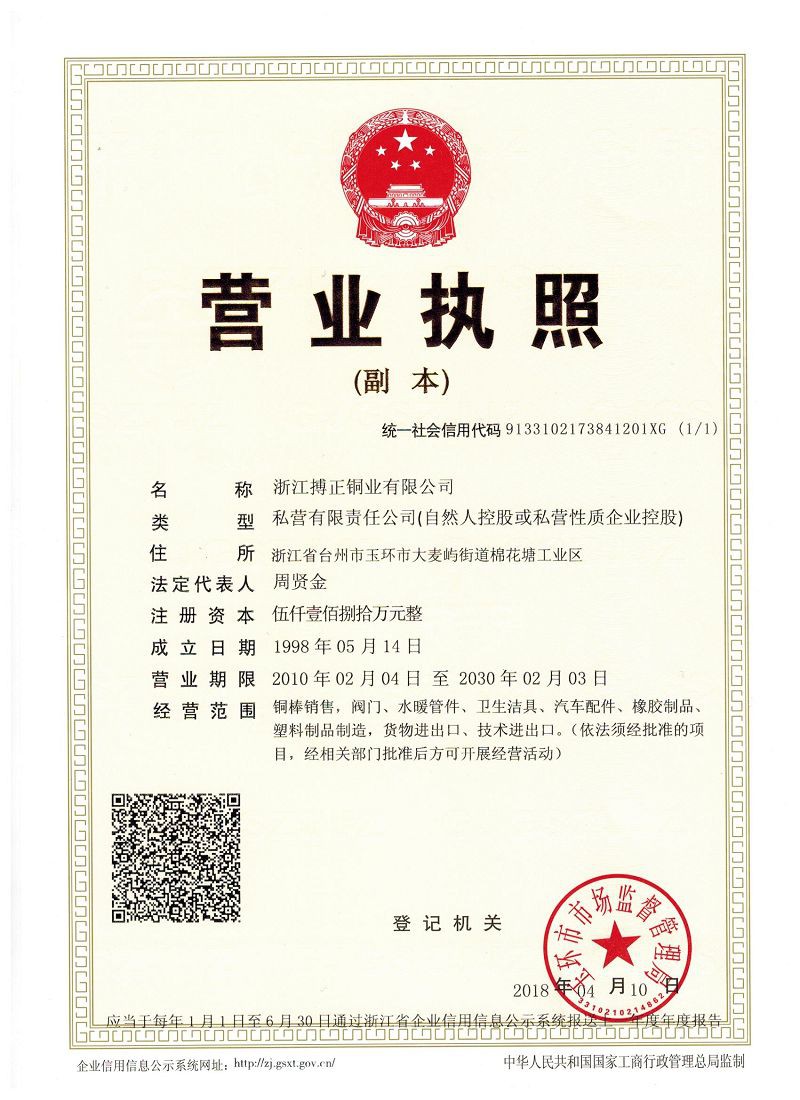
Zhejiang Bozheng Copper Co., Ltd. is located in the "the valve capital of China"-Yuhuan (a city by the East China Sea in the Yangtze River Delta economic circle). Founded in 1998, the company is a comprehensive enterprise integrating research and development, design, manufacturing, sales and service.
After decades of exploration and development, "Bozheng" has become a high-quality brand in the domestic valve industry. We will continue to provide advanced and stable products and perfect sales services for domestic and foreign users, and strive to serve as a healthy and safe shield to create a safe living environment for each home.
In the course of nearly 20 years of innovation and development, Bozheng people have been adhering to the qualities of fairness, stability, and keeping promises. We increased the investment in hardware and software and built a set of mature and competitive product structures. Our products are widely used in construction, plumbing, gas, chemical, petroleum, electric power and many other industries. With reliable quality, complete varieties, safety and convenience, long service life and other characteristics, the products have won praise and affirmation from the majority of dealers and users alike.

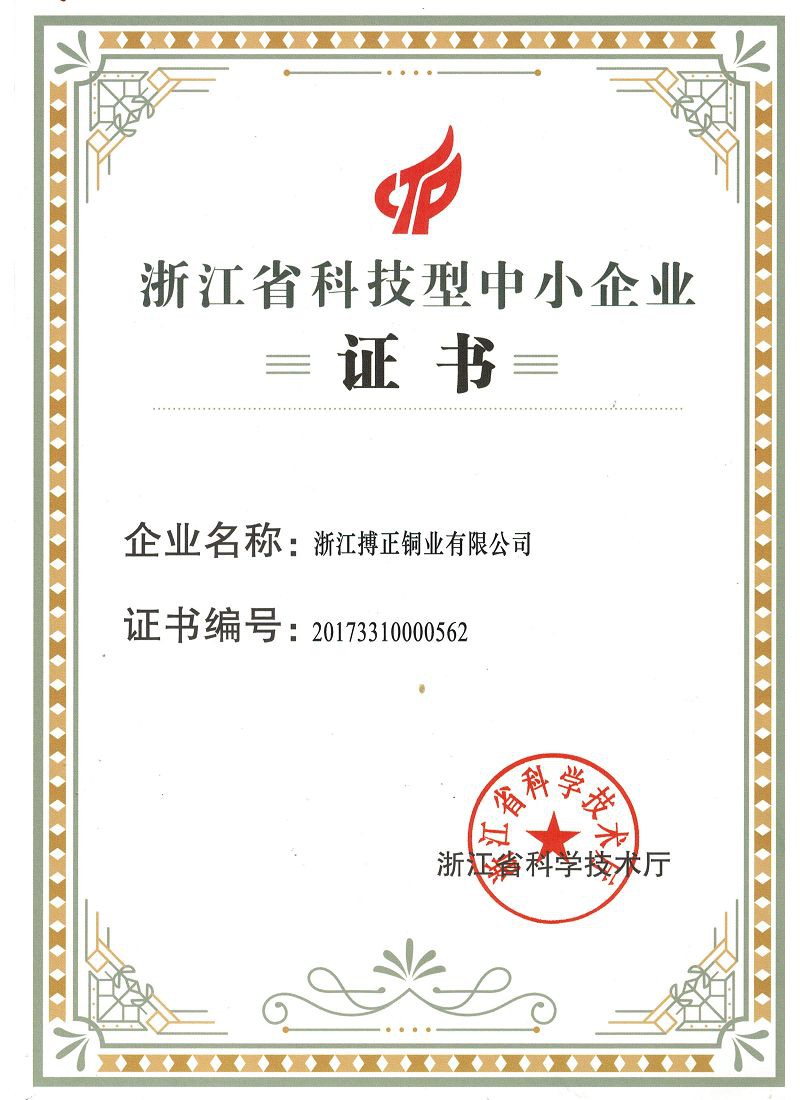
Certificate




FAQ
As one of the most professional pressure reducing valve manufacturers and suppliers in China, we're featured by quality products and competitive price. Please rest assured to wholesale discount pressure reducing valve for sale here from our factory. Contact us for customized service.
pressure reducing valve, brass pressure reducing valve