

How to check the locking reliability of a brass lockable valve
As a trusted supplier of Brass Lockable Valve, we understand the importance of locking reliability in these valves. Whether it's for industrial applications, residential use, or commercial settings, a secure lock can prevent unauthorized access and ensure the proper functioning of the system. This blog post will delve into the practical and effective ways to check the locking reliability of a brass lockable valve.
1. Visual Inspection
The first step in assessing the locking reliability of a brass lockable valve is a thorough visual inspection. This can give you a preliminary understanding of the valve's condition and potential issues.
- Examine the Lock Mechanism: Carefully observe the lock, whether it's a Brass Magnetic Locking Ball Valve or a different type of locking system. Check for any visible damage such as cracks, dents, or corrosion on the lock body or the keyhole. If the lock shows signs of wear or damage, it may compromise the locking performance. For example, rust on the lock can cause the key to not insert smoothly or the locking mechanism to jam.
- Check for Misalignment: Look at how the valve aligns with the locking component. Misalignment can affect the ability of the lock to engage properly. If the valve stem doesn't align correctly with the lock cylinder, the lock may not be able to fully secure the valve in place. This can lead to the valve being adjustable even when it's supposed to be locked.
2. Key Fit and Operation
The key is a critical part of the locking system. Ensuring that it fits well and operates smoothly is crucial for the locking reliability.
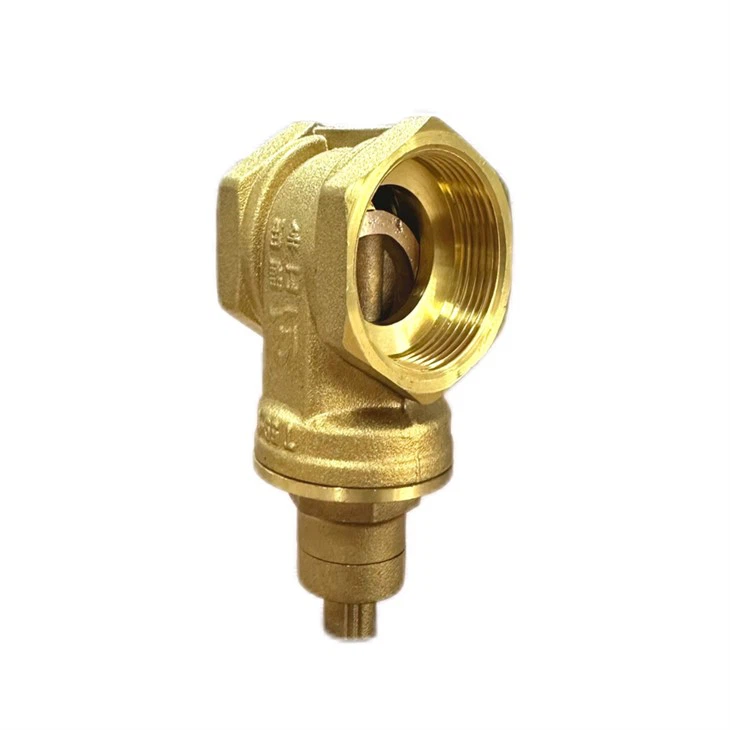

- Insertion and Rotation: Insert the key into the lock and check how easily it goes in. A key that fits snugly and can be inserted without excessive force is a positive sign. Then, try to turn the key. The rotation should be smooth, without any grinding or sticking sensations. If the key is difficult to insert or turn, it could indicate problems such as debris in the lock or internal damage.
- Key Duplication: If possible, test a duplicate key. A reliable locking system should be able to accept and operate correctly with a properly made duplicate key. Inconsistencies between the original and duplicate keys may suggest issues with the lock's manufacturing quality or wear and tear.
3. Locking Force Test
To ensure that the valve remains locked during normal operation and under various conditions, it's necessary to perform a locking force test. This can help simulate real - world scenarios.
- Manual Force: Apply a reasonable amount of manual force to try to open or adjust the valve while it's locked. For example, if it's a ball valve, try to turn the handle gently. The valve should not move under normal manual pressure. If the valve can be easily adjusted when locked, it indicates a lack of locking reliability.
- Vibration and Shock Resistance: You can subject the valve to some minor vibrations or gentle shocks similar to what it might experience in its intended environment. This can be done by gently tapping the valve or using a small vibrator. After the test, check if the lock stays in place and the valve remains locked. If the lock disengages or the valve becomes adjustable due to normal vibrations, it's a sign of poor locking performance.
4. Environmental Testing
The reliability of the locking mechanism can be affected by the environmental conditions in which the valve operates. Therefore, conducting environmental tests is essential.
- Temperature Testing: Place the locked valve in temperature - controlled environments. For example, expose it to both high and low temperatures for a certain period. Extreme temperatures can cause expansion or contraction of the brass and the lock components. After the temperature exposure, check if the lock can still be operated and if the valve remains locked. If the lock jams or loses its locking ability due to temperature changes, the valve may not be suitable for use in harsh temperature conditions.
- Moisture Resistance: If the valve is likely to be exposed to moisture, such as in a humid environment or outdoors, test its moisture resistance. You can place the valve in a humid chamber or spray it with water mist. Moisture can cause corrosion on the brass and internal parts of the lock. After the moisture test, dry the valve and check the locking performance. Any signs of rust or reduced locking ability due to moisture exposure need to be addressed.
5. Long - Term Usage Testing
For a more comprehensive assessment of the locking reliability, long - term usage testing is recommended.
- Cyclic Testing: Conduct a cyclic test by repeatedly locking and unlocking the valve. This can simulate the normal operation of the valve over an extended period. Keep track of any changes in the locking performance, such as an increase in the force required to lock or unlock the valve, or a decrease in the smoothness of the key operation. If problems start to appear after a certain number of cycles, it can help predict the lifespan of the locking mechanism.
- Field Testing: In some cases, it's beneficial to install the valve in a real - world setting and monitor its locking performance over time. This can provide valuable insights into how the valve behaves under actual operating conditions. For example, if the valve is used in an industrial pipeline, observe if the lock remains secure during regular system operation and maintenance activities.
6. Compatibility with System Requirements
The locking reliability of a brass lockable valve also depends on its compatibility with the overall system requirements.
- Pressure and Flow Compatibility: Ensure that the valve and its locking mechanism can withstand the pressure and flow rates of the system in which it's installed. High - pressure systems can put additional stress on the valve and the lock. If the lock fails under high - pressure conditions, it can compromise the safety and functionality of the entire system.
- Compatibility with Other Components: Check if the valve and its lock are compatible with other components in the system, such as pipes, fittings, and control devices. Incompatibility can lead to misalignment or interference, affecting the locking performance.
Conclusion
Checking the locking reliability of a brass lockable valve is a multi - step process that involves visual inspection, key fit and operation testing, locking force testing, environmental testing, long - term usage testing, and compatibility assessment. By following these steps, you can ensure that the valve provides reliable locking performance in various applications.
As a leading supplier of Brass Lockable Valve and Brass Magnetic Locking Ball Valve, we are committed to providing high - quality products that meet the highest standards of locking reliability. If you are in the market for reliable lockable valves or have any questions about our products, we encourage you to contact us for procurement discussions. We look forward to working with you to find the best valve solutions for your needs.
References
- Valve Handbook: A Guide to Valve Selection, Installation, and Maintenance
- Standards for Locking Devices in Fluid Control Systems