

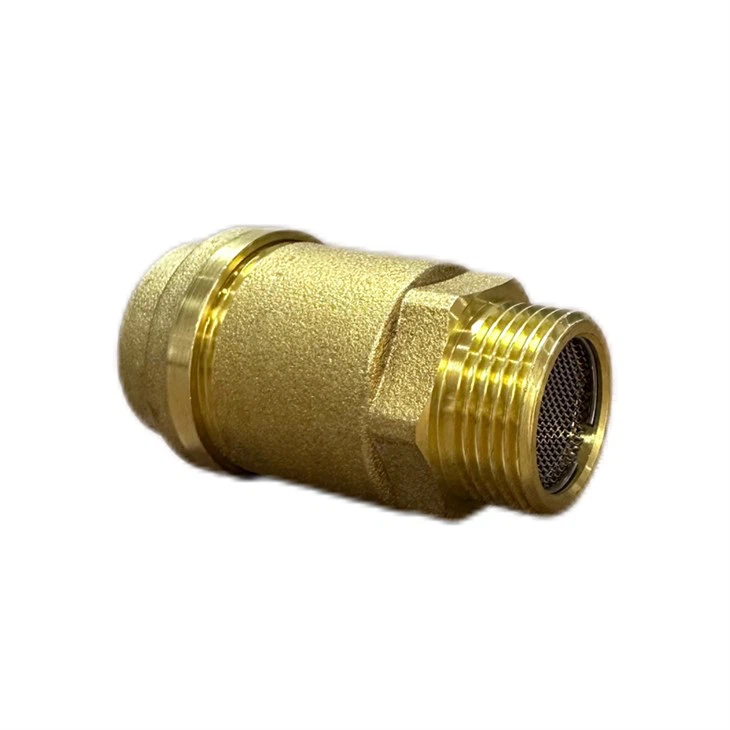
As a seasoned supplier of brass exhaust valves, I understand the critical importance of preventing leakage from these essential components. Leakage not only undermines the efficiency of the system but can also lead to safety hazards and costly repairs. In this blog, I'll share some practical strategies and insights on how to prevent leakage from a brass exhaust valve, drawing on my years of experience in the industry.

Understanding the Causes of Leakage
Before delving into prevention methods, it's crucial to understand the common causes of leakage in brass exhaust valves. These can include:
- Corrosion: Brass is a durable material, but it can still corrode over time, especially in harsh environments or when exposed to certain chemicals. Corrosion can weaken the valve structure and create small holes or cracks, leading to leakage.
- Wear and Tear: Frequent use and movement of the valve can cause wear and tear on the sealing surfaces, gaskets, and other components. This can result in a poor seal and subsequent leakage.
- Improper Installation: Incorrect installation of the exhaust valve can also lead to leakage. This may include improper alignment, overtightening or undertightening of bolts, or using the wrong type of gaskets or seals.
- Pressure and Temperature Fluctuations: Excessive pressure or temperature fluctuations can put stress on the valve and cause it to deform or crack, leading to leakage.
Preventive Measures
1. Select High - Quality Brass
The quality of the brass used in the exhaust valve is fundamental. Opt for high - grade brass alloys that have good corrosion resistance and mechanical properties. For example, brass with a higher copper content generally offers better corrosion resistance. When sourcing brass, work with reputable suppliers who can provide material certificates and quality assurance. This ensures that the valve is made from a material that can withstand the operating conditions it will be exposed to.
2. Proper Installation
- Alignment: Ensure that the exhaust valve is correctly aligned with the pipeline or system it is being installed in. Misalignment can cause uneven stress on the valve and its seals, leading to leakage. Use alignment tools and follow the manufacturer's installation instructions carefully.
- Gaskets and Seals: Select the appropriate gaskets and seals for the application. The material of the gasket should be compatible with the fluid or gas flowing through the valve and the operating temperature and pressure. For example, for high - temperature applications, use gaskets made of materials like graphite or ceramic fiber. Make sure the gaskets are installed correctly, without any cuts, tears, or wrinkles.
- Bolt Tightening: Tighten the bolts evenly and to the recommended torque specification. Overtightening can damage the valve or the gasket, while undertightening can result in a loose seal. Use a torque wrench to ensure accurate tightening.
3. Regular Maintenance
- Inspection: Conduct regular inspections of the brass exhaust valve. Check for signs of corrosion, wear, and damage. Look for any visible cracks, pitting, or deformation on the valve body and sealing surfaces. Inspect the gaskets and seals for signs of deterioration, such as hardening, cracking, or loss of elasticity.
- Cleaning: Keep the valve clean to prevent the buildup of dirt, debris, and corrosive substances. Use a mild detergent and a soft brush to clean the valve, and rinse it thoroughly with water. Avoid using abrasive cleaners that can scratch the surface of the brass and increase the risk of corrosion.
- Lubrication: Some exhaust valves may require lubrication to ensure smooth operation and a good seal. Use a lubricant that is compatible with the valve materials and the operating environment. Apply the lubricant to the moving parts and sealing surfaces as recommended by the manufacturer.
4. Control Operating Conditions
- Pressure and Temperature: Monitor and control the pressure and temperature within the system. Install pressure and temperature sensors to detect any abnormal fluctuations. If the pressure or temperature exceeds the valve's rated capacity, take appropriate measures to reduce it, such as adjusting the flow rate or using a pressure - relief valve.
- Fluid Quality: Ensure that the fluid or gas flowing through the valve is clean and free of contaminants. Contaminants can cause abrasion and corrosion, leading to leakage. Use filters and separators to remove any solid particles, moisture, or chemicals from the fluid.
5. Protective Coatings
Applying a protective coating to the brass exhaust valve can enhance its corrosion resistance. There are various types of coatings available, such as epoxy coatings, powder coatings, and galvanized coatings. These coatings act as a barrier between the brass and the environment, preventing corrosion and extending the valve's lifespan. However, make sure that the coating is compatible with the valve's operating conditions and does not interfere with its performance.
Importance of Quality Assurance
As a [Your Position] at a brass exhaust valve supplier, we implement strict quality control measures throughout the manufacturing process. From the raw material inspection to the final product testing, every step is carefully monitored to ensure that the valves meet the highest standards of quality and performance. We conduct pressure tests, leak tests, and material analysis to verify the integrity of the valves. By offering high - quality products, we not only reduce the risk of leakage but also build trust with our customers.
Conclusion
Preventing leakage from a brass exhaust valve requires a comprehensive approach that includes selecting high - quality materials, proper installation, regular maintenance, controlling operating conditions, and applying protective coatings. As a supplier of Brass Exhaust Valve, we are committed to providing our customers with reliable and leak - free valves. If you are in the market for brass exhaust valves or need further advice on preventing leakage, please feel free to contact us for a procurement discussion. We look forward to working with you to meet your valve needs.
References
- ASME Boiler and Pressure Vessel Code, Section VIII - Division 1.
- ASTM Standards for Brass Alloys.
- Valve Manufacturer's Installation, Operation, and Maintenance Manuals.