

A faulty exhaust valve can spell trouble for any system it's a part of, whether it's an automotive engine, an industrial machine, or a heating and cooling system. As an exhaust valve supplier, I've seen firsthand the impact that a malfunctioning exhaust valve can have on performance, efficiency, and overall system health. In this blog post, I'll explore the common symptoms of a faulty exhaust valve, helping you diagnose issues early and take appropriate action.
Reduced Engine Performance
One of the most noticeable symptoms of a faulty exhaust valve is a significant reduction in engine performance. The exhaust valve plays a crucial role in the combustion cycle by allowing the burned gases to exit the combustion chamber. When the valve doesn't open or close properly, it can disrupt the flow of exhaust gases, leading to a decrease in power and acceleration. You may notice that your vehicle struggles to reach high speeds or has difficulty climbing hills. In industrial applications, reduced performance can translate to lower productivity and increased energy consumption.
Poor Fuel Efficiency
A faulty exhaust valve can also have a negative impact on fuel efficiency. When the exhaust valve doesn't seal properly, some of the compressed air and fuel mixture can leak out of the combustion chamber during the compression stroke. This results in incomplete combustion and wasted fuel. As a result, you may find that you're filling up your gas tank more frequently or that your industrial equipment is consuming more fuel than usual. Over time, this can add up to significant costs, making it essential to address exhaust valve issues promptly.
Excessive Exhaust Smoke
Another telltale sign of a faulty exhaust valve is excessive exhaust smoke. Depending on the nature of the problem, the smoke may be white, blue, or black. White smoke typically indicates the presence of coolant in the combustion chamber, which can be caused by a cracked exhaust valve or a blown head gasket. Blue smoke is a sign of oil burning in the combustion chamber, often due to a worn or damaged exhaust valve guide. Black smoke, on the other hand, usually indicates a rich fuel mixture, which can be caused by a stuck-open exhaust valve or a problem with the fuel injection system.
Engine Misfires
Engine misfires are another common symptom of a faulty exhaust valve. A misfire occurs when the air-fuel mixture in one or more cylinders fails to ignite properly. This can be caused by a variety of factors, including a faulty exhaust valve. When the exhaust valve doesn't open or close at the right time, it can disrupt the combustion process and cause the engine to misfire. You may notice a rough idle, hesitation during acceleration, or a loss of power. In severe cases, engine misfires can cause damage to the catalytic converter and other components of the exhaust system.
Loud Exhaust Noise
A faulty exhaust valve can also produce loud exhaust noise. When the valve doesn't seal properly, it can allow exhaust gases to leak out of the combustion chamber, creating a hissing or popping sound. This noise may be more noticeable at idle or during acceleration. In some cases, the noise may be so loud that it can be heard from inside the vehicle or the industrial facility. If you notice a significant increase in exhaust noise, it's important to have your exhaust system inspected by a professional.
High Exhaust Temperatures
A faulty exhaust valve can cause the exhaust temperatures to rise significantly. When the valve doesn't open or close properly, it can restrict the flow of exhaust gases, causing them to back up in the exhaust system. This can lead to increased pressure and temperature in the exhaust manifold and other components of the exhaust system. High exhaust temperatures can cause damage to the exhaust system, including warping or cracking of the exhaust manifold, and can also increase the risk of a fire.
Loss of Compression
Loss of compression is another symptom of a faulty exhaust valve. Compression is the process of squeezing the air-fuel mixture in the combustion chamber to create a high-pressure environment for ignition. When the exhaust valve doesn't seal properly, it can allow some of the compressed air and fuel mixture to leak out of the combustion chamber, resulting in a loss of compression. This can cause a decrease in engine power, poor fuel efficiency, and engine misfires.
How to Address Faulty Exhaust Valve Issues
If you suspect that your exhaust valve is faulty, it's important to have it inspected and repaired as soon as possible. Ignoring the problem can lead to further damage to the engine and other components of the exhaust system, and can also pose a safety risk. A professional mechanic or technician can perform a thorough inspection of your exhaust system, including a compression test, to determine the cause of the problem. Depending on the severity of the issue, the exhaust valve may need to be replaced, or the valve seat may need to be resurfaced.
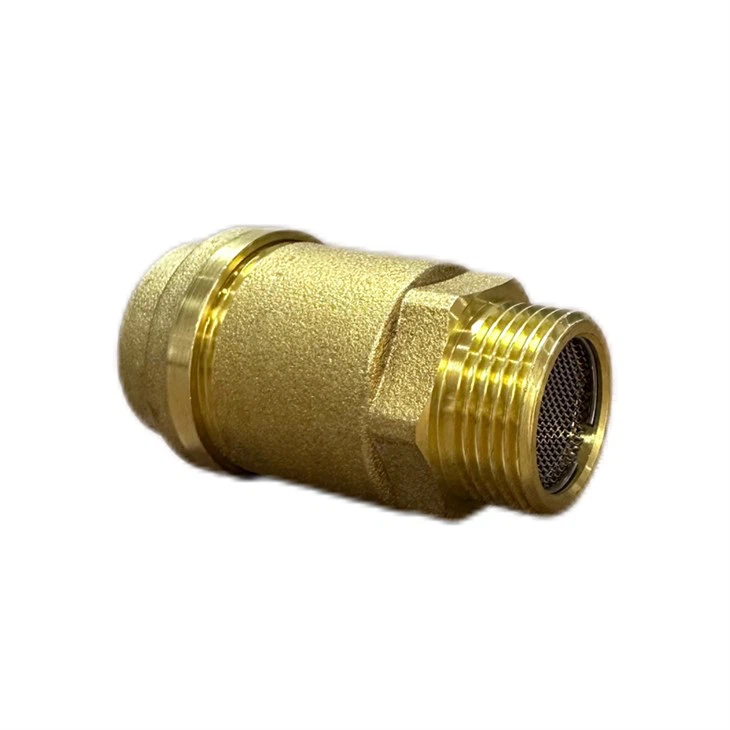
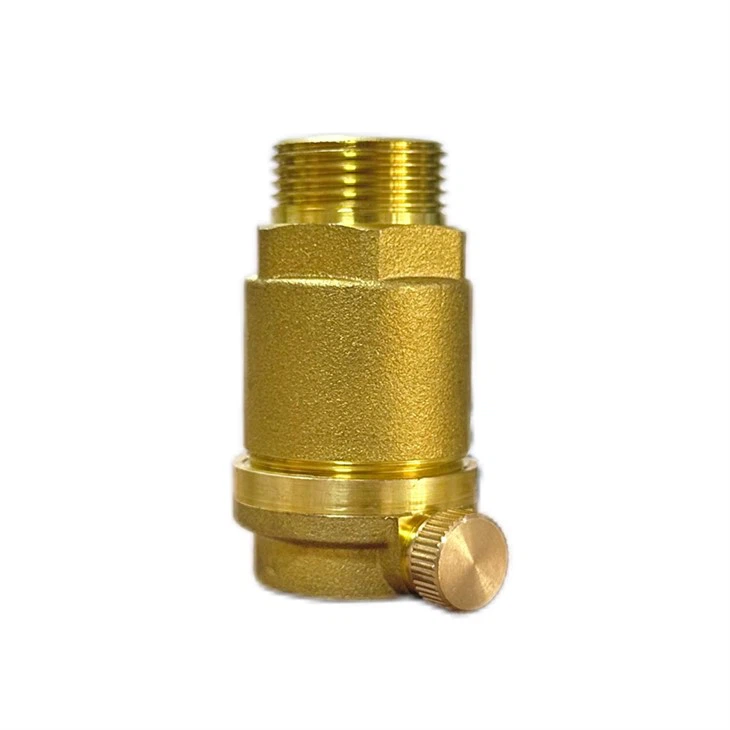
As an exhaust valve supplier, we offer a wide range of high-quality exhaust valves, including Brass Exhaust Valve, to meet the needs of various applications. Our exhaust valves are designed and manufactured to the highest standards of quality and performance, ensuring reliable operation and long service life. If you're experiencing any of the symptoms mentioned above, or if you have any questions about our exhaust valves, please don't hesitate to contact us. We'll be happy to help you diagnose the problem and find the right solution for your needs.
Conclusion
A faulty exhaust valve can cause a variety of problems, including reduced engine performance, poor fuel efficiency, excessive exhaust smoke, engine misfires, loud exhaust noise, high exhaust temperatures, and loss of compression. By being aware of these symptoms, you can diagnose exhaust valve issues early and take appropriate action to prevent further damage to your engine and exhaust system. If you suspect that your exhaust valve is faulty, it's important to have it inspected and repaired by a professional. As an exhaust valve supplier, we're committed to providing our customers with high-quality exhaust valves and excellent customer service. Contact us today to learn more about our products and services and to discuss your exhaust valve needs.
References
- "Automotive Exhaust Systems: Design, Performance, and Emissions Control" by David Crolla
- "Internal Combustion Engine Fundamentals" by John B. Heywood
- "Industrial Exhaust Systems: Design, Installation, and Maintenance" by Robert J. Heinsohn and John M. Cimbala